Appliances · Buying Guide
Best Viking 8 Quart Stock Pot Options for Everyday Cooking
Choosing the right cookware for large family meals or batch cooking requires looking closely at how pots distribute heat and handle everyday stovetop tasks. A reliable eight-quart vessel provides ample room for boiling pasta, simmering stocks, or preparing seasonal soups without overcrowding the burner. Viking offers several interpretations of this classic kitchen size, incorporating different materials ranging from multi-ply stainless steel to specialized nonstick surfaces designed to meet varied cooking preferences.
Evaluating these options means examining construction details, lid designs, and internal volume markings that simplify daily kitchen routines. Whether you prefer traditional stainless steel for searing and boiling or an alternative surface for effortless food release, understanding each model helps match the cookware to your specific recipe requirements and cleanup habits.
As an Amazon Associate, StacyLaughs earns from qualifying purchases.
Buying guide
Material Construction and Heat Distribution
Choosing the correct metal layers influences how quickly your food reaches a boil and how evenly heat spreads across the base. Multi-ply stainless steel incorporates aluminum cores to eliminate hot spots, ensuring reliable performance on induction, gas, and electric cooktops. Hard-anodized options offer alternative heat transfer benefits.
Evaluating your typical recipes helps determine whether a three-ply or five-ply design fits your daily routine. Thicker multi-layer pots retain warmth longer for sustained simmering, while responsive cores react quickly to temperature adjustments, preventing accidental scorching during delicate cooking tasks.
Capacity and Dimensional Footprint
An eight-quart capacity provides generous room for boiling corn, preparing large batches of soup, or simmering stocks without liquid spilling over the rim during vigorous boiling cycles. However, external dimensions vary significantly by brand and design. Conical shapes create wider top openings that encourage evaporation, while straight walls maximize vertical storage space in crowded kitchen cabinets and tight shelving units.
Measuring your available storage space and burner size prevents compatibility issues before purchasing a large cooking vessel. Ensuring the pot fits comfortably on your stovetop without crowding adjacent burners maintains efficient cooking control and prevents accidental tipping during active stirring or handling heavy ingredients safely throughout meal preparation routines.
Interior Coatings and Surface Options
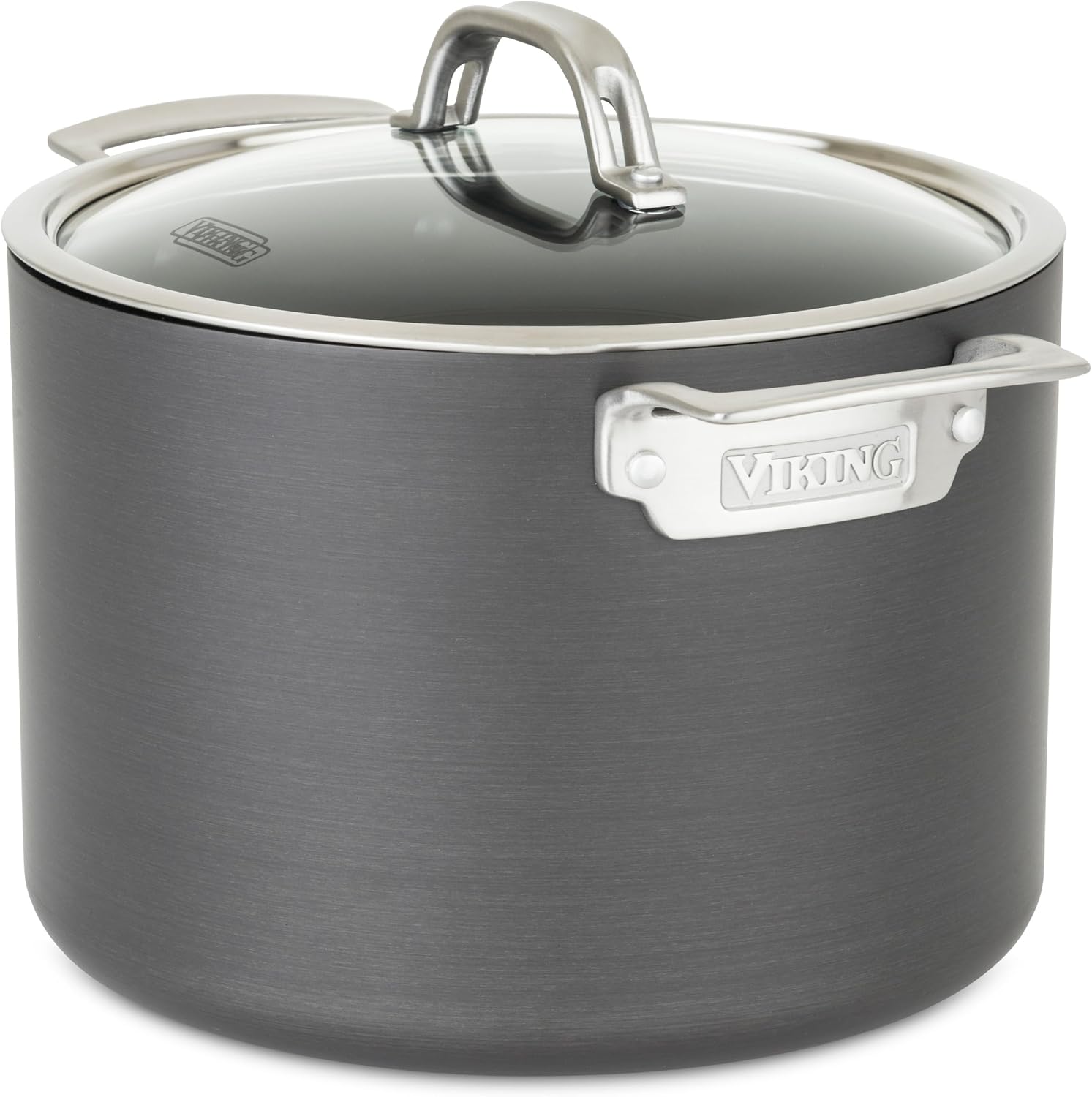
Surface materials dictate daily cleanup routines and determine which kitchen utensils you can safely use while cooking your favorite recipes. Stainless steel interiors resist staining and handle metal tools easily, while specialized nonstick surfaces simplify food release for delicate ingredients like eggs or delicate fish fillets. Titanium-infused options provide enhanced scratch resistance compared to conventional coatings.
Matching the interior finish to your personal cleaning habits ensures long-term satisfaction with your cookware investment. Nonstick pots often require careful hand washing to preserve their release properties, whereas traditional stainless steel options withstand automatic dishwasher cycles and abrasive cleaning pads without losing their functional finish or aesthetic appeal.
Lid Design and Visibility Features
Lids play a crucial role in trapping moisture and regulating internal cooking temperatures during long simmering sessions for broths and stews. Tempered glass lids allow you to monitor cooking progress without lifting the cover, locking in heat and developing rich flavors effectively. Some models feature built-in vents designed to release excess steam and prevent messy boiling over on stovetops.
When selecting a pot, carefully consider the maximum temperature ratings of the lid if you plan to transfer the vessel directly into the oven for baking or roasting tasks. Glass components frequently feature lower heat tolerances than stainless steel bodies, requiring strict attention during high-temperature culinary procedures inside hot ovens.
Handle Ergonomics and Safety
Comfortable handles are essential when moving a heavy eight-quart pot filled with boiling water or dense stews across the kitchen space. Riveted stainless steel handles provide a secure, permanent attachment that resists loosening over extended periods of frequent use. Ergonomic designs offer better balance and control, even when wearing thick oven mitts.
Evaluating how the handles project from the sides of the pot ensures they fit inside your oven cavity and household dishwasher safely without obstruction. Proper handle placement reduces wrist strain and enhances stability during pouring, making kitchen tasks significantly safer and more manageable for everyday home cooks preparing large family meals.
Included Accessories and Multi-Cooker Versatility
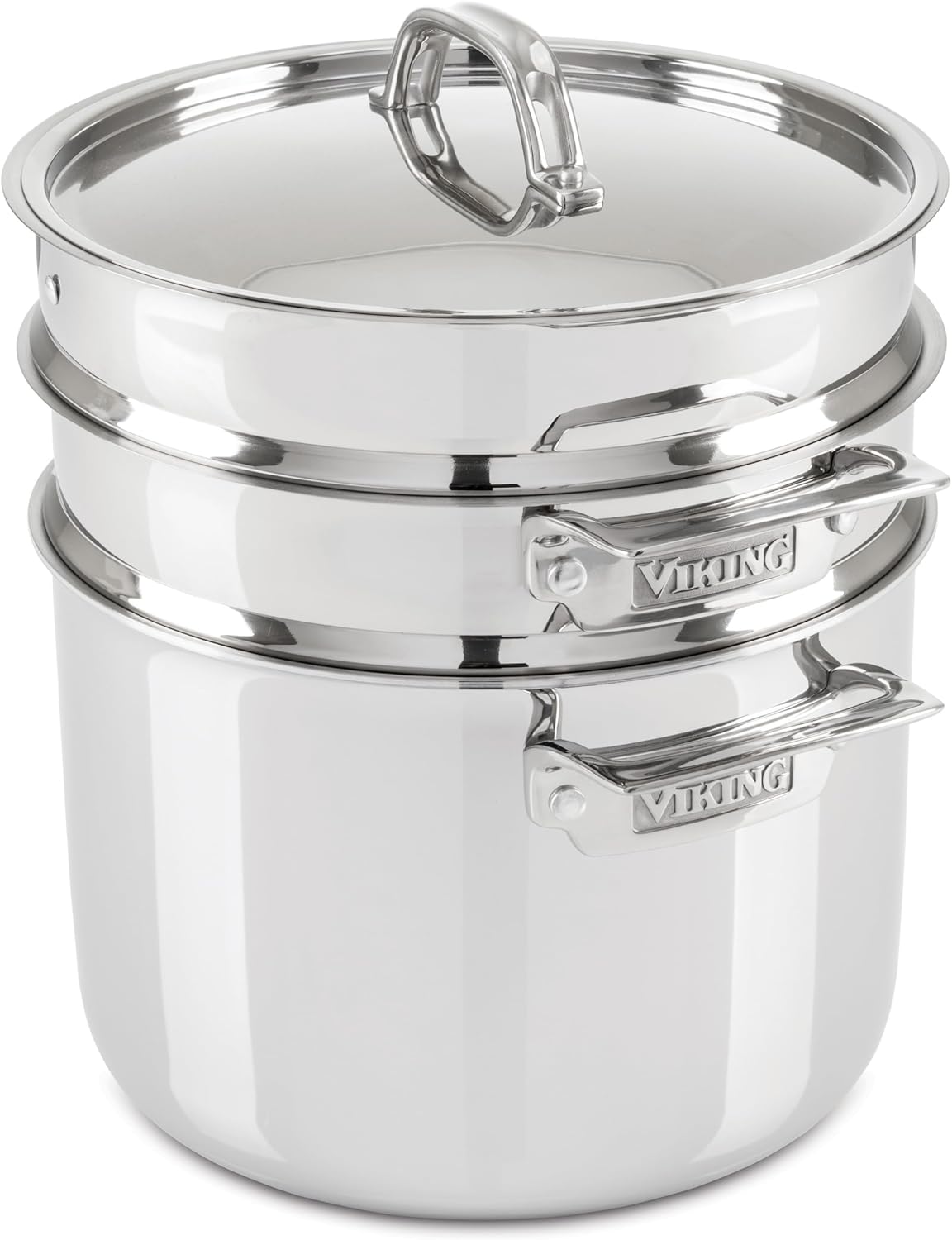
Certain stock pots come equipped with specialized inserts, such as perforated pasta baskets or steaming trays that expand their everyday culinary utility significantly in home kitchens. These accessories transform a basic boiling vessel into a versatile multi-cooker capable of handling multiple ingredients simultaneously, streamlining meal preparation routines for busy households and eager cooking enthusiasts.
Assessing whether you will actually utilize these extra components helps determine if a multi-piece set is genuinely worth the additional storage space required. While inserts offer great convenience for steaming vegetables or straining pasta effortlessly, simpler standalone pots require significantly less cabinet space for cooks managing minimal kitchen storage areas and compact pantries.
Frequently asked questions
Can an eight-quart stock pot be used on induction cooktops?
Yes, all highlighted Viking eight-quart stock pots and multi-cookers feature induction-compatible stainless steel bases or magnetic exterior layers. This ensures efficient energy transfer and rapid heating on induction cooktops as well as traditional gas, electric, and ceramic ranges. When shopping for induction cookware, checking for a magnetic exterior layer guarantees proper burner recognition and consistent performance across various meal preparation tasks without requiring specialized adapter plates or separate cooktop accessories for your kitchen.
Are these stock pots safe to use inside the oven?
Most of these stainless steel and hard-anodized pots are rated safe for oven use up to high temperatures, often reaching 600 degrees Fahrenheit for metal bodies. However, you must always check specific component limits, especially when glass lids are included, as tempered glass components typically feature lower maximum temperature thresholds around 350 degrees Fahrenheit. Following manufacturer guidelines prevents thermal shock and protects both the pot body and its matching lid during baking or roasting tasks.
How should I clean and maintain a stainless steel stock pot?
Stainless steel stock pots are generally dishwasher safe, though hand washing with warm water and mild dish soap helps preserve the exterior mirror or satin finish over years of use. For stubborn food residue or mineral deposits resulting from boiling water, non-abrasive cleansers formulated for stainless steel can restore the surface shine. Avoid using harsh steel wool pads that might scratch the metal, and ensure the pot is completely dry before storing it away.
What is the benefit of internal volume markings?
Internal volume markings stamped into the interior wall of the pot allow you to measure liquids directly inside the vessel without dirtying measuring cups or separate containers. These markings typically display both US and metric units, making it simple to follow recipes accurately when adding broths, water, or canned tomatoes. This convenient feature streamlines the cooking process, reduces cleanup time, and helps ensure consistent results when preparing soups, stews, and large batches of pasta.
Do nonstick stock pots require special utensil care?
While standard nonstick coatings require wooden, silicone, or plastic utensils to prevent scratching, certain advanced models feature durable titanium surfaces that are specifically engineered to be metal-utensil safe. Regardless of the coating type, using gentle tools and avoiding sharp metal edges on traditional nonstick surfaces extends the lifespan of the interior finish. Always review the specific manufacturer recommendations for your chosen model to ensure proper utensil selection and prevent accidental surface damage.