Appliances · Buying Guide
Best Vintage cast iron cookware sets for traditional kitchen and camp cooking
Selecting vintage cast iron cookware brings enduring reliability to home kitchens and outdoor camp setups alike. These heavy-duty pots and pans rely on thick metal walls and naturally seasoned surfaces to maintain steady cooking temperatures across open campfires, traditional stovetops, and high-heat ovens without synthetic chemical coatings.
Whether you need a multi-piece collection for large family gatherings or a single heavy-duty enameled pot for daily bread baking, understanding how these traditional configurations distribute and retain heat helps you select the ideal gear for everyday meals, weekend baking projects, and rugged outdoor excursions.
As an Amazon Associate, StacyLaughs earns from qualifying purchases.
Buying guide
Material Composition and Seasoning Types
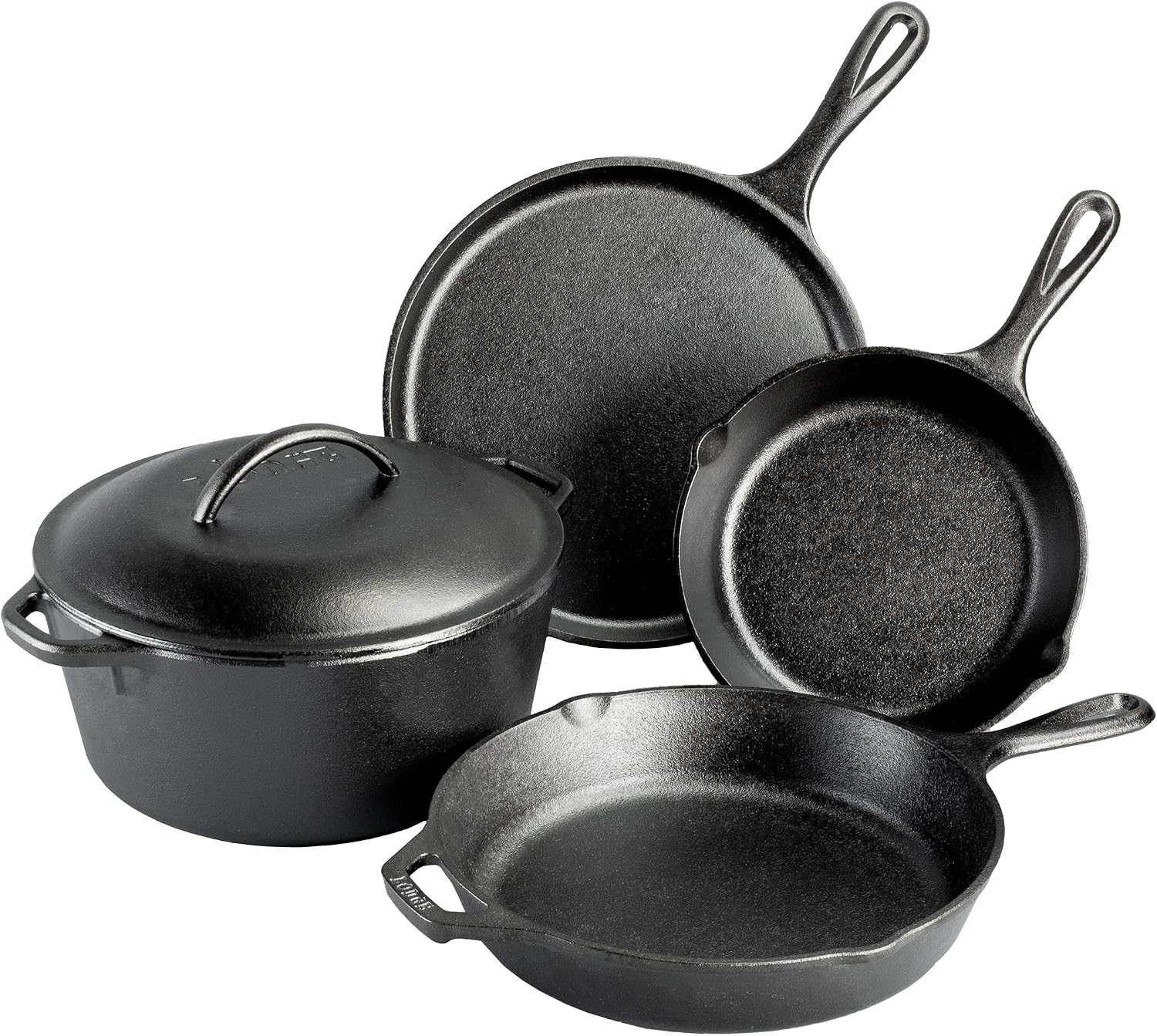
Choosing between raw iron and enameled cast iron shapes your entire cooking routine. Raw iron depends on natural oil seasoning to build a chemical-free non-stick surface over time. This traditional material excels at direct high-heat searing and handles open campfires effortlessly. You must build and maintain this protective layer manually through regular oiling after every single cooking session to prevent rust.
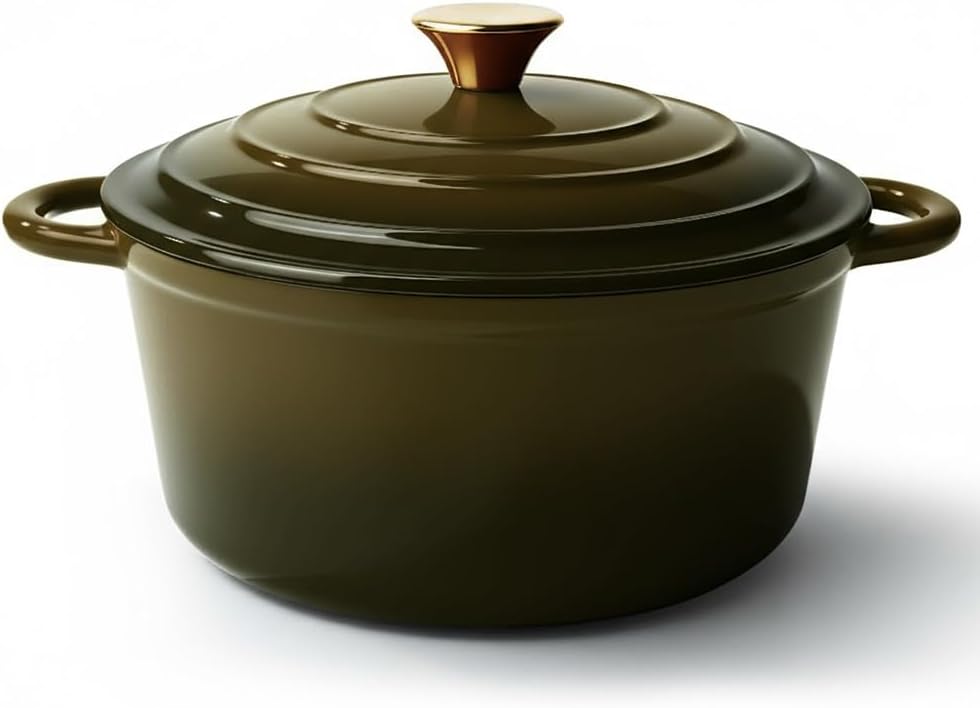
Enameled cast iron provides a smooth, sealed glass-like exterior and interior coating that bypasses the traditional seasoning process entirely. This glazed finish prevents acidic foods like tomato sauces from reacting with the metal. While enamel simplifies cleanup and eliminates routine oiling, it requires gentle handling with wooden or silicone utensils to avoid scratching the decorative outer and inner ceramic layers during daily use.
Piece Count and Set Configurations
Assessing your household size helps determine whether a single specialized pot or a comprehensive multi-piece set fits your lifestyle. Large bundles often include multiple skillets, griddles, and a dutch oven, giving you ample equipment to prepare large family feasts. However, these extensive collections demand dedicated cabinet space and involve managing several heavy components every time you cook a meal at home.
Single-pot options, such as large enameled dutch ovens, focus entirely on specific culinary tasks like baking artisan bread or braising tough cuts of meat. These standalone units suit smaller kitchens or single cooks who rarely need multiple frying pans operating at once. Carefully evaluate your typical weekly menu to avoid paying for extra griddles or saucepots you might rarely use.
Heat Source Compatibility
Traditional cast iron performs exceptionally well across a wide variety of cooking environments, bridging indoor kitchen appliances and rugged outdoor camp setups. Most raw iron pans transition seamlessly from gas stovetops to smooth surface induction cooktops and high-heat ovens. This broad compatibility makes them flexible tools for chefs who enjoy shifting their cooking routines between indoor ranges and open backyard grills.
When cooking outdoors over campfires or burning ash, verify that your chosen pots feature sturdy handles and tight-fitting lids designed to withstand direct flame exposure. Some enameled models feature strict temperature thresholds or manufacturer guidelines regarding open fire use. Matching your cookware specifications to your primary cooking environment ensures safe performance and prevents accidental thermal damage during high-heat sessions.
Weight and Ergonomic Design
Cast iron cookware is inherently heavy due to its thick metal construction, which is the exact property responsible for its superior heat retention. Lifting a fully loaded five-quart pot or large skillet requires physical strength and careful two-handed maneuvering. Examine the handle configuration, helper handles, and lid designs to ensure you can securely transport hot vessels from the burner to the dining table safely.
Manufacturers often incorporate ergonomic assist handles, spiral steel wire grips, or dual-side loops to help distribute the substantial weight during transit. If you struggle with heavy lifting, look for smaller skillet sizes or designs featuring extended helper handles. Prioritizing comfortable grip features prevents accidental drops and makes daily meal preparation much more manageable when working with dense, heavy cookware pieces.
Storage and Portability Features
Transporting heavy kitchen gear for camping trips or RV adventures requires thoughtful storage solutions to protect your vehicle and organize your equipment. Many outdoor sets include custom wooden storage crates equipped with carrying handles. These heavy-duty boxes keep multiple skillets and dutch ovens secure during bumpy transit, preventing shifting and protecting other gear from acquiring black carbon residue during travel.
For indoor kitchen storage, consider stackable pan designs that nest inside one another to reclaim valuable cabinet space. Raw iron pieces must be stored completely dry in well-ventilated areas to prevent moisture from causing surface rust. Evaluating how your cookware packs away in cupboards or vehicle trunks ensures long-term convenience and protects your investment from unnecessary physical wear during transit.
Maintenance and Cleaning Requirements
Proper maintenance habits determine the long-term durability and non-stick performance of traditional cast iron cookware. Raw iron pieces generally require strict hand washing without harsh dish soaps, followed by immediate towel drying and a very thin application of vegetable oil to prevent oxidation. Neglecting these simple post-cooking steps can quickly result in stubborn rust spots forming across the cooking surface.
Enameled versions offer easier cleaning with warm water and soft sponges, though they still prohibit abrasive wire pads that scratch the glass glaze. Always follow manufacturer cleaning guidelines to protect your specific cookware finish. Committing to a consistent upkeep routine preserves the cooking surface and ensures your pots and pans remain dependable culinary companions for decades.
Frequently asked questions
Can vintage cast iron cookware be used on modern induction stovetops?
Yes, cast iron is naturally magnetic, which makes it fully compatible with modern smooth surface induction cooktops. The thick metal base absorbs and distributes magnetic energy efficiently, heating up evenly across the cooking zone. However, because raw iron pots can feature slightly rough or textured bottoms, you should lift rather than slide the pans across glass or induction cooktop surfaces to prevent scratching the delicate glass cooktop finish during daily meal preparation routines.
How do I clean and prevent rust on pre-seasoned cast iron pans?
To clean pre-seasoned iron pans, wash them by hand using warm water and a stiff brush or sponge, avoiding harsh detergents that can strip the natural seasoning layer. Dry the cookware completely with a towel immediately after washing to eliminate any remaining moisture. Place the dry pan on a warm burner for a few minutes to evaporate hidden water, then rub a very thin coat of vegetable oil over all interior and exterior surfaces before storing it away.
What is the advantage of a dutch oven with a coal-holding lid?
A dutch oven featuring an extra-high brim lid is specifically designed for outdoor camping and open-fire cooking. This raised edge holds hot wood coals or burning ash securely on top of the lid, creating a balanced thermal environment that bakes food from both above and below. This top-down heating capability transforms your camp dutch oven into a true portable oven, allowing you to bake artisan bread, pizzas, cookies, and roasted meals directly over a campfire.
Do enameled cast iron pots require seasoning like raw iron?
No, enameled cast iron pots do not require seasoning. The manufacturing process fuses a smooth glass-like ceramic glaze over the heavy iron body, creating a sealed protective barrier. This glazed finish prevents food from contacting the raw metal directly, which eliminates the need for routine oiling or seasoning upkeep. You can wash enameled pots with warm soapy water and clean them with soft sponges, though you must avoid abrasive metal pads that can scratch the smooth surface.
How can I safely store a multi-piece cast iron set in a small kitchen?
Storing a multi-piece cast iron set in a compact kitchen requires utilizing stackable pan designs or dedicated storage crates. Many modern sets feature nestable skillets and shallow lids that stack neatly inside large dutch ovens, saving significant cabinet space. If stacking raw iron pans directly on top of each other, place a paper towel or cloth protector between them to prevent scratching and allow air circulation, keeping your cookware organized and ready for the next meal.