Appliances · Buying Guide
Best Vintage Copper Roasting Pan Choices for Traditional Kitchens
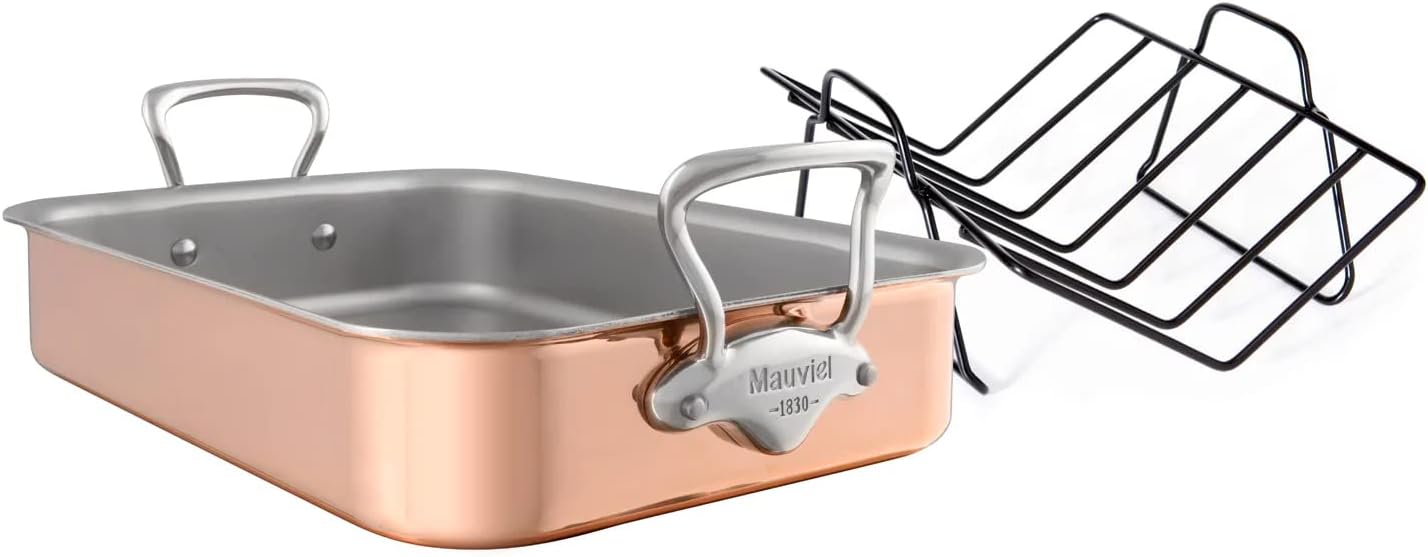
Choosing a vintage copper roasting pan brings both classic visual charm and precise thermal control to your kitchen workspace. Copper cookware responds rapidly to temperature shifts, allowing you to manage heat distribution efficiently whether you are baking, braising, or roasting savory dishes for family gatherings and dinner parties.
Evaluating these specialized roasting vessels requires looking closely at material composition, physical dimensions, and handle configurations. Different models combine solid copper construction or layered tri-ply builds with stainless steel or tin interiors, offering distinct practical advantages for daily food preparation and elegant oven-to-table serving routines.
As an Amazon Associate, StacyLaughs earns from qualifying purchases.
Buying guide
Material Composition and Thickness
Evaluating material composition is essential when selecting a copper roasting vessel for your kitchen. Pure copper offers unmatched thermal conductivity, heating rapidly and evenly across the entire base and walls to eliminate hot spots. Many modern versions pair this conductive exterior with a durable stainless steel interior, combining responsive heating with effortless cleanup.
Alternative traditional models feature a tin-lined interior over solid copper construction. When assessing thickness, measured in millimeters, thicker walls provide greater structural durability and heat retention during extended cooking sessions, while thinner options respond almost instantly to temperature adjustments on your stovetop burner.
Dimensions and Capacity Needs
Matching the physical dimensions of a roasting pan to your oven and storage space prevents frustrating fitting issues. Rectangular pans with generous lengths accommodate large whole poultry and seasonal roasts, while compact oval or round vessels work well for side dishes and smaller portions. Check both interior capacity ratings and exterior handle-to-handle measurements before purchasing.
Deep-walled dishes provide ample room for high-volume stews, layered gratins, and basting liquids without overflowing. Conversely, shallow roasting profiles allow heat to circulate freely around lower cuts of meat, promoting even browning and crisp edges during high-heat oven roasting.
Handle Design and Attachment
Secure handle design directly impacts safety and comfort when moving heavy, fluid-filled roasting pans between counters, stovetops, and hot ovens. Cast stainless steel, solid brass, and composite handles offer sturdy grips, often secured by multiple heavy-duty rivets to ensure long-lasting structural integrity under heavy loads.
Consider whether handles stay cool during stovetop use or if you will need protective mitts for every interaction. The placement and angle of the handles also dictate how easily the pan slides into tight oven racks or stores away in crowded kitchen cabinets.
Interior Surface Linings
The interior lining of a copper pan dictates how you cook, clean, and maintain the vessel over its lifespan. Stainless steel interiors resist scratching, require no special re-tinning maintenance, and handle everyday savory cooking tasks with standard kitchen utensils without degrading the protective cooking surface.
Traditional tin linings offer a naturally smooth finish that helps prevent food from sticking during delicate braising tasks. However, tin linings require gentle washing tools, avoidance of harsh abrasive cleansers, and strict adherence to low-to-medium heat limits to preserve the protective coating over decades of use.
Stovetop and Oven Compatibility
Before selecting a copper roaster, verify that its base is compatible with your specific kitchen range. Many traditional copper pans work seamlessly on gas, electric, and halogen stovetops, while induction cooktops require specialized interface discs or specific multi-clad magnetic base constructions to conduct heat effectively.
Oven safety limits also vary by construction type and handle materials. Review the maximum temperature ratings to ensure the pan can handle high-heat searing, broiling, or slow-roasting tasks without risking damage to riveted attachments or specialized surface finishes.
Maintenance and Care Routines
Proper upkeep preserves the appearance and performance of copper cookware over many years of culinary use. While stainless steel lined interiors simplify routine washing, the exterior copper surface naturally develops a patina over time that many cooks polish away or embrace for its vintage character.
Always follow manufacturer guidance regarding dishwasher safety, as many copper pans require hand washing with mild soap to protect exterior finishes. Avoiding extreme high-heat settings and metal scouring pads prevents permanent warping or scratching of the responsive metal layers.
Frequently asked questions
Can I use a copper roasting pan on an induction cooktop?
Traditional solid copper pans are non-magnetic and will not work directly on induction ranges unless the manufacturer specifies a magnetic stainless steel base layer or you use a separate induction interface disc. Always check the base material specifications before attempting to heat copper cookware on induction burners.
How do I clean and maintain the exterior copper finish?
The exterior copper surface naturally develops a darkened patina over time due to oxidation and heat exposure. To restore a bright shine, use a specialized copper cleaner and a soft cloth, rubbing gently following the manufacturer instructions. Avoid steel wool and harsh abrasive scouring pads to prevent surface scratching.
Are copper roasting pans safe for use in high-heat ovens?
Most quality copper roasting pans are rated for high oven temperatures, with some models handling up to 680 degrees Fahrenheit. However, you should always verify the specific manufacturer temperature limits and handle materials to ensure the vessel and its rivets withstand your desired baking conditions safely.
What is the difference between stainless steel and tin interiors?
Stainless steel interiors offer modern durability, requiring no maintenance and handling standard cooking tools easily. Traditional tin interiors provide a smooth, non-stick cooking surface suited for delicate tasks but require gentle hand washing, soft utensils, and strict adherence to low or medium heat settings.
Do copper roasting pans require special heat management on stovetops?
Because copper conducts heat extremely fast and efficiently, manufacturers often recommend using lower stovetop settings, such as sixty percent of maximum power. Running burners at full blast can overheat empty pans, warp the metal base, or damage interior surface linings over extended cooking sessions.