Appliances · Buying Guide
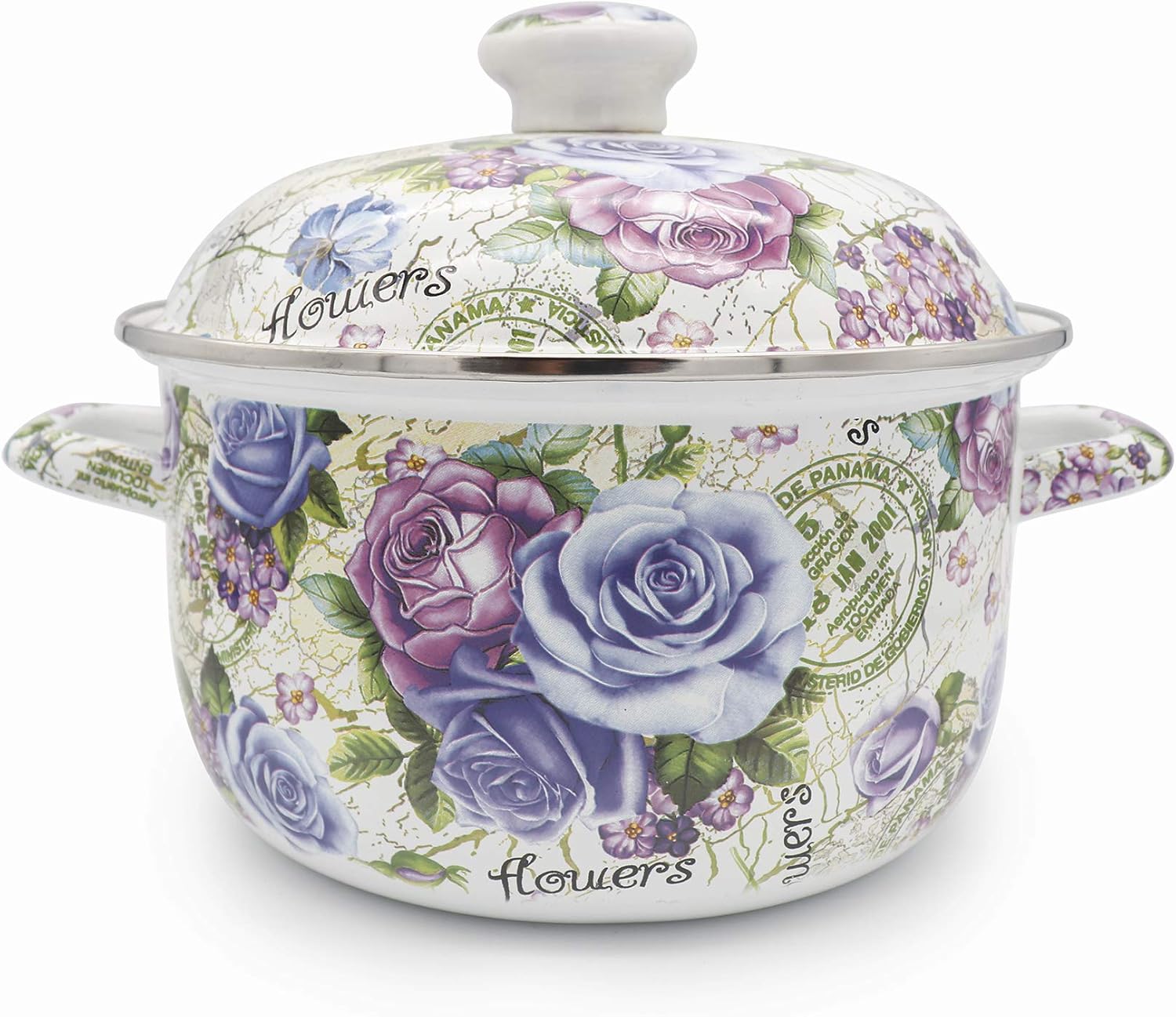
Best Vintage Enamel Stock Pot Options for Retro Kitchens and Daily Meals
Selecting a vintage enamel stock pot brings classic charm and reliable everyday cooking performance directly to your kitchen counter. These charming pots combine traditional floral or retro aesthetics with modern stovetop compatibility, making them as decorative as they are practical for family meals, holiday gatherings, and daily one-pot recipe preparation.
Whether you need a compact vessel for quick side dishes or a larger capacity pot for batch soups and stews, understanding material construction helps match the cookware to your routine. Exploring available sizes, lid types, and handle designs ensures you find a functional piece that fits your exact cooking style and storage space constraints without sacrificing visual appeal.
As an Amazon Associate, StacyLaughs earns from qualifying purchases.
Buying guide
Material Composition and Weight
Enamel stock pots typically combine a sturdy steel or iron base with a smooth, protective glass-like coating on both sides. This traditional construction method keeps the cookware relatively lightweight compared to heavy cast iron alternatives, making everyday kitchen tasks like lifting, pouring, and carrying much easier for home cooks of all experience levels who value manageable kitchen gear during busy meal preparations.
The underlying metal core ensures rapid and even heat distribution across your cooktop burner for reliable cooking results every time. Meanwhile, the smooth enamel layer prevents unwanted metal taste transfer, ensuring your broths, soups, and grains retain their authentic, clean flavors without absorbing food odors from previous meals, supporting pure taste profiles.
Capacity Selection for Household Size
Choosing the correct pot capacity depends entirely on how many people you regularly cook for during daily meal routines and weekend dinner parties. Smaller models holding around three quarts work wonderfully for individuals, couples, or preparing simple side dishes and grains without creating excess leftover food that crowds your refrigerator storage shelves after dinner.
Larger vessels holding four to five quarts easily accommodate family dinners, batch meal prep, and comforting multi-serving soups for growing households. Matching the pot volume to your household prevents overflowing cookware while ensuring you never store overly bulky pots that exceed your actual portion needs in limited kitchen cabinet storage spaces.
Stovetop Compatibility and Heat Sources
Modern enamel stock pots offer exceptional versatility by working seamlessly across a wide variety of kitchen cooktop options found in modern homes today. Whether your kitchen features traditional gas burners, modern electric coils, smooth ceramic glass surfaces, or high-efficiency induction plates, specially designed flat metal bases deliver steady thermal transfer during cooking sessions.
Checking the manufacturer specifications ensures your chosen pot pairs safely with your specific heat source before cooking begins every single time you prepare food. Avoiding mismatched heat sources protects the delicate exterior enamel finish and prevents uneven thermal distribution during essential braising, simmering, and boiling tasks throughout your weekly meal preparation routines.
Lid Design and Visibility Choices
The style of lid included with your stock pot significantly impacts how you monitor cooking progress and retain essential moisture during everyday home meal preparation routines. Snug-fitting metal or domed covers trap steam effectively, shortening cooking times and keeping braised meats and vegetable soups tender, warm, and flavorful for your family dinner table.
Alternatively, transparent tempered glass lids equipped with built-in vent holes allow you to observe boiling liquids without lifting the cover off the active cooking vessel during use. Deciding between solid matching metal covers and clear glass variants depends entirely on your personal preference for visual monitoring versus traditional vintage aesthetic styling elements.
Handle Ergonomics and Transport Safety
Moving a heavy, liquid-filled pot from the hot stovetop to the dining table requires dependable, well-designed handles for complete safety and daily convenience during dinner. Double-sided side handles crafted from sturdy metal offer a secure grip, letting you lift the vessel steadily even when wearing thick protective oven mitts during family meal service.
Some decorative models feature specialized insulated handles designed to stay cool during active cooking sessions, significantly reducing the risk of accidental scalds in busy family kitchens. Evaluating how handles attach securely to the pot body helps ensure you can transport hot stews and pasta pots safely across your busy kitchen floor without accidental spills.
Cleaning, Maintenance, and Enamel Care
Maintaining the vibrant exterior artwork and smooth interior finish of an enamel stock pot requires following proper manufacturer cleaning guidelines closely every single time you clean up after meals. While many enamel pots feature dishwasher-safe construction for convenience, hand washing with a soft sponge is frequently recommended to protect delicate metallic trims and exterior patterned glazes.
Avoiding harsh abrasive scouring pads prevents scratching the glossy porcelain or ceramic coating, preserving both the decorative floral patterns and rust-resistant metal finish over time. Proper care routines ensure your vintage-inspired cookware remains a functional and visually striking kitchen countertop centerpiece for many years of reliable cooking use across various daily recipes.
Frequently asked questions
Are enamel stock pots safe for induction cooktops?
Yes, many vintage enamel stock pots feature induction-compatible metal bases designed to deliver fast and even heat distribution across induction stoves, alongside traditional gas, electric, halogen, and ceramic cooktops. It is always important to check individual product specifications to confirm induction compatibility before purchasing your cookware. The metal core ensures reliable thermal transfer while the enamel coating prevents metal taste transfer into your soups and stews, providing both modern cooking performance and classic aesthetic appeal for your daily kitchen routines.
Can I put my vintage enamel pot in the dishwasher?
Dishwasher safety varies depending on the specific model and its decorative features. Many enamel stock pots offer dishwasher-safe interiors and bodies for hassle-free cleanup, but manufacturers frequently recommend hand washing with a soft sponge to protect delicate gold trims, metallic knobs, or exterior floral patterns over time. Checking the care guidelines provided with your specific cookware model helps preserve the glossy enamel finish and prevents accidental wear on decorative exterior artwork during routine post-meal cleaning.
Do enamel pots transfer a metallic taste to food?
No, high-quality enamel stock pots are crafted with a smooth glass-like coating over an iron or steel base that prevents metal taste transfer. This non-toxic, lead-free surface ensures your broths, stews, pasta, and acidic tomato sauces retain their pure, natural flavors without absorbing metallic flavors or food odors. The smooth interior finish also resists staining and odor absorption, making it easy to transition between cooking different savory and sweet dishes throughout the week without lingering tastes.
What capacity enamel stock pot should I choose for family meals?
Choosing the right capacity depends primarily on your household size and typical meal portions. Smaller pots holding around three to 3.7 quarts work well for individuals, couples, or preparing side dishes and grains for two to four people. If you regularly cook for four to six people or enjoy batch meal prep, a larger four to five-quart stockpot provides ample room for hearty soups and stews. Matching the pot size to your routine prevents overcrowding and unnecessary storage challenges.
Are glass lids better than metal lids on stock pots?
Choosing between a glass lid and a matching metal lid depends on your personal cooking preferences. Transparent tempered glass lids allow you to monitor your boiling pasta or simmering soups without lifting the cover, locking in heat and moisture efficiently through built-in vent holes. In contrast, solid metal or domed covers offer classic retro styling and lightweight durability. Both lid styles trap steam effectively to shorten cooking times, so your choice relies entirely on visual convenience versus traditional aesthetics.