Appliances · Buying Guide
Best Vintage French Copper Saucepans for Classic Kitchen Tasks
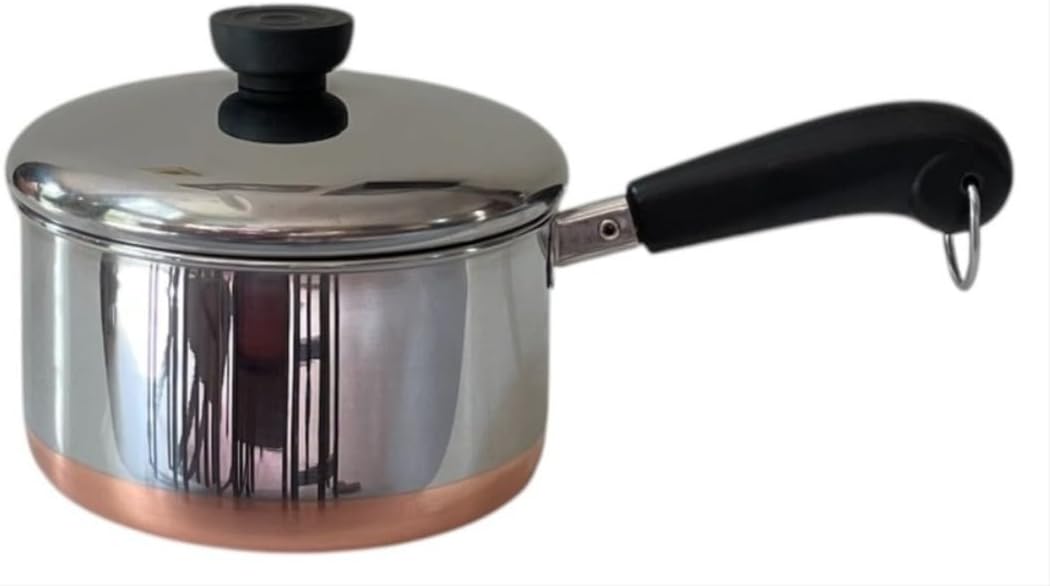
Exploring vintage french copper saucepans brings traditional European craftsmanship directly into modern home kitchens. These distinctive pieces combine conductive metal exteriors with specialized linings for precise temperature management during everyday simmering and sauce preparation.
Selecting the right cookware requires evaluating capacity, handle construction, and interior metal layers to match specific cooking routines. Whether you need a tiny vessel for table service or a larger multi-layer pan for daily reductions, understanding these foundational attributes ensures lasting utility and reliable culinary results.
As an Amazon Associate, StacyLaughs earns from qualifying purchases.
Buying guide
Evaluating Copper Thickness and Performance
When shopping for vintage french copper saucepans, copper thickness directly dictates thermal conductivity and heat response. Thicker metal profiles provide superior temperature control, allowing heat levels to adjust rapidly across the entire cooking surface. Manufacturers frequently specify precise millimeter measurements to indicate structural grade and professional performance levels, helping buyers assess the overall heft and thermal responsiveness of each specific option before purchase.
Thinner walls heat up quickly but demand attentive monitoring to prevent scorching during delicate reductions or extended simmering tasks. Balancing material thickness against your intended cooking recipes ensures you select a vessel that responds appropriately. High-performance models manage heat efficiently at lower burner settings, preventing thermal shock to the cookware while maintaining consistent results across gas, electric, or oven cooking environments.
Understanding Interior Linings and Maintenance
The interior lining of copper cookware plays a critical role in food safety and flavor preservation. Stainless steel linings offer excellent durability, resistance to corrosion, and easy cleanup without requiring specialized re-tinning maintenance. These modern bonded surfaces maintain natural food flavors while providing a sturdy barrier between reactive copper and acidic ingredients during everyday cooking tasks.
Traditional tin linings require careful handling to avoid scratching with metal utensils or exposure to high heat. Reviewing manufacturer care instructions helps protect the interior coating from premature wear. Avoiding harsh abrasive cleansers, bleach, and dishwasher cycles preserves the longevity of both stainless steel and traditional interiors, ensuring your copper cookware remains functional and attractive for years.
Selecting the Right Pan Capacity
Determining the correct pan capacity prevents overcrowding and ensures efficient heat transfer for your specific recipes. Smaller one-quart or mini vessels suit single portions, warming sauces, or melting butter. Larger options accommodate multi-person side dishes and general simmering tasks. Assessing your typical batch sizes guides you toward an appropriate volume without buying excess cookware.
Compact options excel at quick desktop or stovetop tasks but limit your ability to scale up recipes. Matching the dimensions of the base to your burner size also maximizes energy efficiency. Evaluating household meal requirements ensures your chosen copper saucepan satisfies daily cooking demands while avoiding storage clutter from oversized pots.
Assessing Handle Materials and Ergonomics
Handle construction heavily influences grip comfort, balance, and maneuverability during active cooking sessions. Traditional brass handles provide a substantial feel and excellent structural durability. Stainless steel alternatives offer sleek aesthetics and robust attachment strength. Evaluating how the handle attaches to the pan body ensures reliable stability when lifting heavy liquids or pouring contents into serving dishes.
Riveted or welded handle designs impact long-term reliability and interior cleaning ease. Ergonomic contours reduce wrist strain when tilting saucepans during sauce transfers. Considering whether the handle remains cool on stovetops or withstands oven temperatures expands your cooking versatility, allowing seamless transitions from burner to baking environment without safety concerns.
Verifying Stovetop and Oven Compatibility
Cooktop compatibility varies significantly across vintage and modern copper saucepans. Traditional copper items function effortlessly on gas, electric, and halogen cooktops. However, standard copper lacks the magnetic properties required for induction surfaces unless used with a specialized interface disc. Checking your kitchen setup beforehand prevents compatibility issues and ensures optimal heat distribution.
Oven safety is another vital factor for bakers and chefs who finish dishes at high temperatures. Many professional copper pans withstand oven heat, but handle materials and lids must also be rated for thermal exposure. Reviewing manufacturer specifications regarding maximum temperature thresholds protects your investment and expands culinary applications safely.
Preserving Vintage and Modern Finishes
Maintaining the polished exterior of copper cookware requires specialized care routines to prevent tarnishing and scratching. While some owners appreciate a natural patina on vintage pieces, others prefer preserving a mirror shine using approved non-abrasive cleaners. Avoiding steel wool and harsh chemicals protects the soft metal exterior from permanent surface damage during routine upkeep.
Following manufacturer guidelines regarding heat limits and hand washing safeguards the structural integrity of your cookware. Allowing pans to cool gradually prevents thermal warping. Implementing proper cleaning habits ensures that both vintage heirlooms and modern French copper saucepans maintain their aesthetic appeal and functional reliability over decades of use.
Frequently asked questions
Can vintage french copper saucepans be used on induction cooktops?
Traditional copper and stainless steel French saucepans are generally not compatible with induction cooktops because copper is a non-magnetic metal. To use copper cookware on an induction surface, you typically need to purchase a separate induction interface disc that sits between the burner and the pan. This adapter disk heats up and transfers thermal energy to the copper bottom. Always check manufacturer specifications before attempting to use traditional copper pans on induction burners to avoid potential performance issues or equipment damage.
Do copper saucepans require special cleaning and polishing products?
Maintaining the exterior shine of copper saucepans often involves using specialized copper cleaners or gentle natural solutions like lemon and salt, avoiding abrasive scouring pads or steel wool that can scratch the soft metal. For stainless steel interiors, standard non-abrasive dish soap and warm water suffice, while avoiding harsh bleach that can erode the metal. Many owners choose to let vintage pieces develop a natural patina over time rather than constantly polishing them to a mirror finish, depending entirely on personal aesthetic preferences.
Why do copper pans need to be used on lower heat settings?
Copper possesses exceptional thermal conductivity, meaning it heats up much faster and distributes warmth more evenly than metals like aluminum or stainless steel. Because of this superb conductivity, manufacturers frequently advise operating cooktop controls at reduced capacity settings rather than maximum power. Using lower heat settings prevents food from scorching, protects the pan lining from overheating, and avoids thermal shock that could potentially damage the cookware structure over extended periods of regular kitchen use.
What is the difference between tin-lined and stainless steel lined copper pans?
Traditional copper saucepans often feature a tin interior lining, which provides a naturally non-stick surface but requires careful handling to prevent scratching and may eventually need professional re-tinning over many years of use. Modern French copper cookware frequently pairs copper exteriors with durable 18/10 stainless steel interiors. Stainless steel offers superior resistance to scratching, handles metal utensils better, and eliminates the need for re-tinning maintenance, though it lacks the traditional non-stick qualities of classic tin linings during delicate culinary tasks.
Are vintage copper saucepans safe for everyday cooking?
Vintage copper saucepans can be used for everyday cooking provided their interior linings remain intact and undamaged. If a vintage pan features a traditional tin lining that has worn away to expose bare copper, it should be professionally re-tinned before preparing food. Modern vintage-style reproductions typically feature bonded stainless steel or aluminum layers that meet contemporary food safety and durability standards. Inspecting the interior condition of any second-hand copper cookware before use ensures safe preparation.