Appliances · Buying Guide
Best Vintage Stainless Steel Cookware Sets for Heritage Kitchens
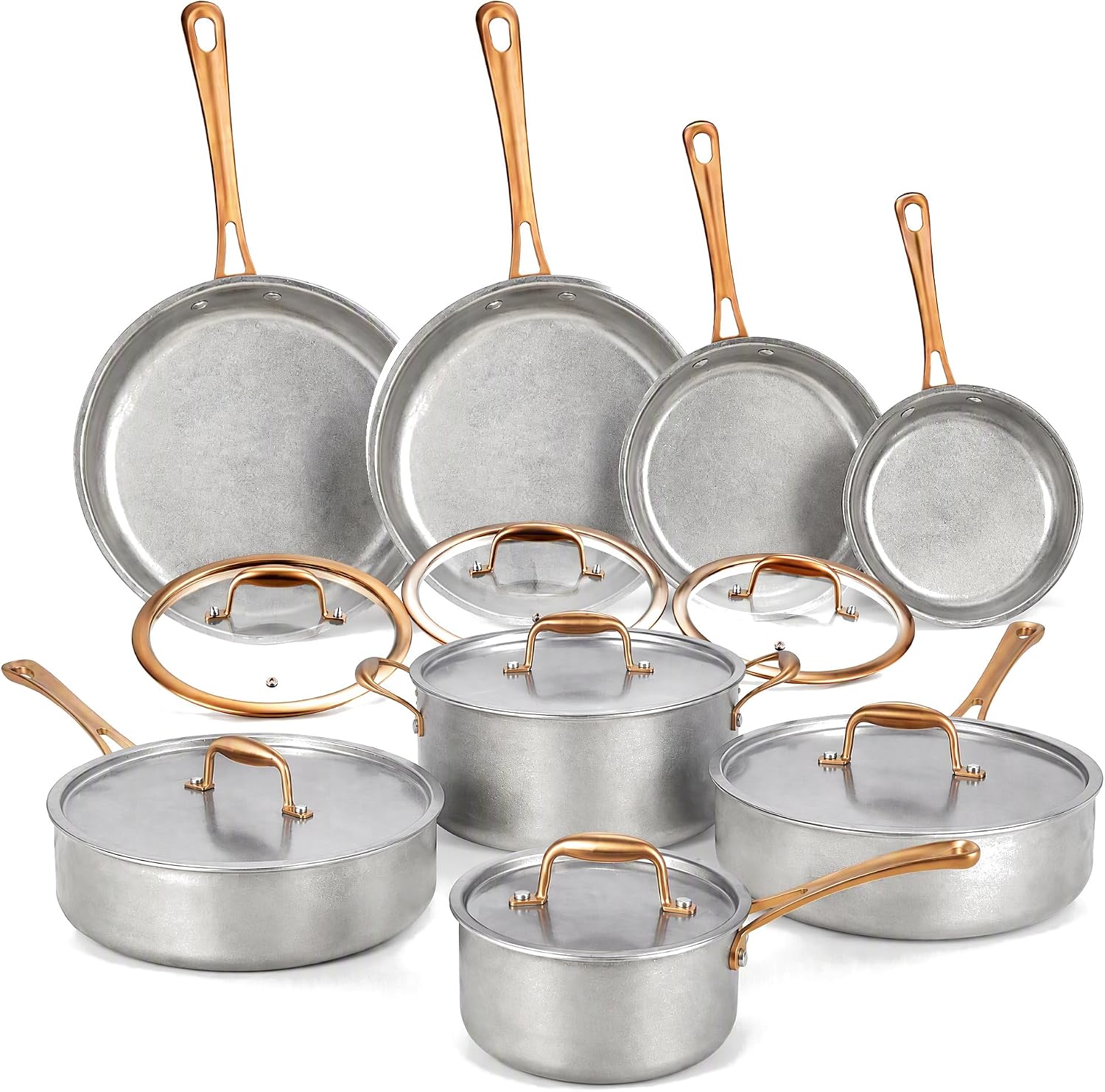
Choosing the right kitchenware involves balancing timeless aesthetics with everyday utility. Vintage stainless steel cookware brings a distinct heritage look to modern stovetops while offering the reliable performance of multi-layer metal construction. These collections combine classic matte finishes with durable metallic accents, creating an appealing visual contrast that fits seamlessly into traditional and transitional culinary spaces.
Navigating the available options requires looking closely at piece counts, pan dimensions, and handle designs. Whether you need a compact trio of frying pans or an extensive multi-piece bundle for complex meal preparation, understanding these configurations helps you select the ideal setup for your household cooking routines and storage constraints.
As an Amazon Associate, StacyLaughs earns from qualifying purchases.
Buying guide
Assessing Piece Count and Set Composition
Selecting the right vintage stainless steel cookware set begins with evaluating your typical meal preparation habits and household size. Smaller three to eight-piece collections focus on core essentials like skillets and basic saucepans, making them ideal for individuals or couples who prepare straightforward daily meals. These compact configurations minimize cabinet clutter while covering standard frying and boiling requirements without excess components.
Larger ten to fifteen-piece bundles incorporate specialized vessels such as deep sauté pans and high-capacity casseroles. These comprehensive assortments accommodate complex, multi-course cooking routines where multiple burners remain active simultaneously. However, larger collections demand significantly more storage room. Buyers must weigh their available kitchen storage against their desire for specialized pan shapes before committing to an extensive multi-piece cookware bundle.
Evaluating Material Construction and Thickness
The thermal performance of stainless steel cookware depends heavily on its internal core and overall body thickness. Professional-grade options typically feature a tri-ply construction, sandwiching a heat-conductive aluminum core between two durable layers of stainless steel. A robust thickness, such as 2.7mm, promotes rapid and uniform heat distribution across the base and sidewalls. This construction minimizes localized hot spots that can cause food to scorch during high-heat searing or browning tasks.
Thinner cookware configurations heat up quickly but may lack the thermal mass required for even temperature regulation during extended simmering sessions. When reviewing options, look for specifications detailing multi-layer bonding rather than single-ply metal sheets. Investing in properly constructed tri-ply vessels ensures long-term durability and consistent cooking results across gas, electric, and induction cooktops, reducing the likelihood of warping over years of regular kitchen use.
Understanding Surface Finishes and Aesthetics
Vintage stainless steel cookware collections often incorporate specialized exterior treatments to distinguish their appearance from standard polished metal pots. Physical stone-grinding processes create a textured matte finish that diffuses light and reduces the visibility of everyday scuffs. This specialized surface treatment also helps prevent the heat-induced yellowing and oxidation frequently observed on conventional stainless steel surfaces after prolonged exposure to high stovetop temperatures.
Beyond visual appeal, these tactile matte finishes offer practical advantages in busy kitchen environments by hiding minor fingerprints and resisting dirt accumulation. Coordinating metal accents, such as copper-plated handles, further enhance the heritage aesthetic while providing sturdy, heat-resistant grip points. Evaluating how an exterior finish is applied ensures your cookware maintains its distinctive retro appearance over years of daily handling, washing, and storage.
Analyzing Handle Design and Oven Compatibility
Handle construction significantly influences both safety and comfort during heavy cooking tasks. Riveted or securely attached stainless steel handles provide a firm grip when lifting heavy, liquid-filled casseroles or shifting loaded frying pans between burners. Many vintage-style collections feature heat-resistant metallic finishes, such as copper plating, which combine traditional visual appeal with robust structural durability. Inspecting handle attachment methods ensures the cookware remains steady during active kitchen maneuvers.
Oven safety limits represent another critical factor for recipes requiring seamless transitions from stovetop searing to oven finishing. Most quality tri-ply collections withstand oven temperatures up to 500 or 540 degrees Fahrenheit. Verifying these maximum temperature ratings ensures your pots and pans can safely accommodate high-heat broiling or roasting techniques without damaging handles, lids, or structural bonding over repeated culinary use.
Utensil Compatibility and Surface Maintenance
Uncoated stainless steel cooking surfaces offer exceptional durability, allowing the safe use of metal spatulas, whisks, and even steel wool during cleanup. Unlike chemically coated non-stick pans that require gentle silicone or wooden utensils to prevent scratching, robust stainless steel withstands rigorous scraping. This resilience simplifies maintenance, enabling users to scrub away stubborn food residues without worrying about damaging the underlying cooking surface or degrading synthetic coatings over time.
Proper maintenance also involves understanding how stainless steel interacts with heat and food proteins. Preheating pans correctly before adding cooking oils creates a naturally stick-resistant surface without relying on chemical treatments. Because high-grade stainless steel resists acid and alkali corrosion, these vessels also accommodate safe overnight food storage in the refrigerator. Choosing uncoated metal cookware provides long-term reliability and straightforward cleaning routines for busy households.
Stovetop Versatility and Kitchen Integration
Modern cookware must adapt to diverse kitchen layouts, including gas, electric, halogen, and induction stovetops. Quality stainless steel sets feature magnetic outer layers that conduct heat efficiently across induction surfaces while performing equally well on traditional gas flames. Checking stovetop compatibility before purchasing ensures your chosen collection integrates smoothly into your current kitchen setup without requiring appliance upgrades or specialized burner adapters.
Kitchen integration also involves planning how cookware stores within available cabinet space. Nesting smaller saucepans inside larger casseroles or organizing frying pans vertically helps manage the footprint of multi-piece sets. Evaluating your available shelf dimensions alongside the total component count prevents overcrowded storage areas. Selecting a set that matches your routine cooking volume ensures every included vessel serves a practical purpose rather than creating unnecessary cabinet clutter.
Frequently asked questions
What makes vintage stainless steel cookware different from standard modern sets?
Vintage stainless steel cookware typically features specialized exterior treatments, such as physical stone-washed or stone-ground matte finishes, designed to mimic heritage aesthetics while resisting heat-induced yellowing and oxidation over time. Additionally, these collections often pair multi-layer tri-ply metal bodies with decorative copper-plated handles. While offering the same robust, uncoated cooking performance as standard professional cookware, these design choices provide a distinct retro visual appeal tailored specifically for open-shelf or upscale heritage kitchen displays.
Do uncoated stainless steel pans require special care to prevent sticking?
Uncoated stainless steel pans do not rely on chemical non-stick coatings, meaning food can adhere if the metal is not preheated correctly before cooking begins. To achieve a naturally stick-resistant surface, users should preheat the pan over medium heat for a few minutes before adding cooking oil. Performing the simple water drop test—where water beads dance effortlessly across the hot surface—indicates the pan has reached the ideal temperature for cooking proteins or vegetables without excessive sticking.
Can I use metal utensils and steel wool on these stainless steel pans?
Yes, high-grade stainless steel cooking surfaces are exceptionally durable and scratch-resistant, making them fully compatible with metal spatulas, whisks, and steel wool during cooking and cleaning. Because these collections feature zero PFOA, PFOS, or PTFE chemical coatings, you can scrub stubborn food residues or use metal tools without fear of peeling or damaging a synthetic non-stick layer. This structural resilience ensures straightforward cleaning routines, allowing vigorous maintenance without compromising the integrity of the cooking vessel.
Are these vintage cookware sets safe to use inside the oven?
Most tri-piece and multi-piece vintage stainless steel collections are engineered for oven-safe cooking up to 500 or 540 degrees Fahrenheit. Their sturdy metallic construction and securely attached handles allow seamless transitions from stovetop searing to oven roasting, baking, or broiling. However, users should always verify specific manufacturer temperature guidelines before placing any cookware into a hot oven, particularly if the set includes specialized glass lids or alternative handle materials that may have lower heat thresholds.
Will these stainless steel pots and pans work on induction cooktops?
Yes, the multi-layer stainless steel construction used in these collections provides full compatibility with all standard stovetops, including gas, electric, halogen, and modern induction cooktops. The magnetic properties of the outer stainless steel layers ensure efficient, rapid heat transfer on induction burners without requiring special adapters or accessories. This universal compatibility makes these cookware sets a flexible choice for households planning future kitchen appliance upgrades or currently utilizing various heating surfaces across multiple properties.