Appliances · Buying Guide
Best williams sonoma grill pan Selections for Your Kitchen

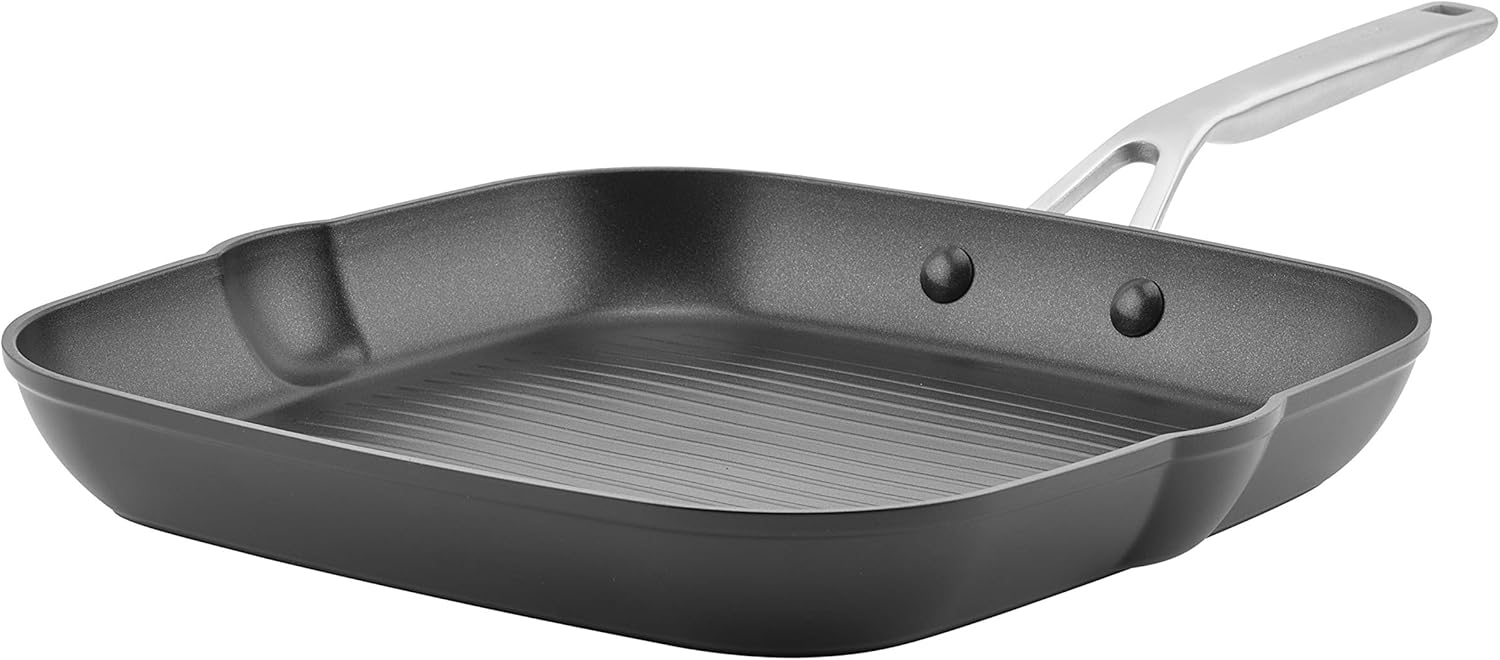
Finding the right cookware to achieve authentic sear marks and rich flavors indoors is an important step for any home cook. When looking for alternatives that match the style and performance often associated with a premium williams sonoma grill pan, shoppers have access to several notable choices crafted from hard anodized aluminum, ceramic nonstick, and traditional cast iron materials. Each option brings specific design characteristics to the stovetop, helping you sear meats and vegetables with ease.
Evaluating these cookware pieces requires looking closely at their construction, surface coatings, and compatibility with various heating surfaces. Whether you prefer the effortless cleanup of advanced nonstick coatings or the classic heavy-duty heat retention of cast iron, understanding individual product traits ensures you select a tool that fits your cooking habits. The following selections highlight diverse designs suited for everyday meal preparation and specialized indoor grilling tasks.
As an Amazon Associate, StacyLaughs earns from qualifying purchases.
Buying guide
Evaluating Stovetop Compatibility and Heat Sources
When selecting a cookware piece to replicate the utility of a williams sonoma grill pan, verifying your kitchen heat source is the most critical first step. Different materials interact with stovetops in unique ways. Aluminum pans with specialized bases work efficiently on gas and electric coils, while induction cooktops require magnetic properties embedded in the cookware base.
Reviewing manufacturer specifications ensures your chosen pan heats evenly without damaging your cooktop surface. Gas burners provide open flame versatility, whereas smooth glass and induction cooktops demand flat, stable bottoms to prevent scratching and ensure proper thermal transfer during daily meal preparation.
Understanding Surface Coatings and Nonstick Options
Surface finishes dictate how easily food releases and how much effort is required for cleaning after cooking meats and vegetables. PTFE coatings offer smooth performance, while diamond-infused ceramic nonstick surfaces provide modern alternatives free of specific chemical additives. Traditional cast iron relies on seasoning or enamel layers.
Each coating option introduces distinct maintenance guidelines. Nonstick aluminum models often clean quickly with mild soap and sponges, whereas bare cast iron requires specific drying and oiling routines. Matching the coating type to your preferred kitchen workflow ensures long-term satisfaction.
Comparing Material Construction and Weight
The physical material of a grill pan influences its thermal retention, durability, and overall weight during handling. Hard anodized aluminum provides a lightweight yet scratch-resistant structure that heats up quickly. Conversely, cast iron models offer substantial mass for superior heat retention.
Consider how physical weight affects your daily cooking tasks. Lighter aluminum pans allow for quick maneuvering and flipping, while heavier cast iron requires two hands for safe transport, especially when loaded with food or transitioning from stovetop to oven.
Assessing Handle Design and Ergonomic Grip
Handles play a vital role in safety and maneuverability, particularly when lifting heavy pans or working over high heat. Stainless steel handles with ergonomic contours provide a secure hold. Some metal handles incorporate thermal breaks or V-shaped cutouts to reduce heat transfer.
Cast iron pans often feature integrated loop or side handles that require protective mitts during use. Evaluating the handle attachment method, such as double riveting or solid casting, ensures structural stability over years of frequent culinary use.
Managing Cleaning and Maintenance Requirements
Proper cleaning routines preserve the lifespan and cooking performance of your grill pan. Many modern nonstick aluminum models are labeled as dishwasher safe, though washing by hand with mild soap and soft sponges often extends coating life. Reviewing care instructions prevents premature wear.
Cast iron and specialized ceramic items frequently mandate hand washing and specific drying steps. Adhering to these manufacturer guidelines prevents residue buildup, preserves nonstick properties, and protects the structural integrity of the cookware over countless meals.
Determining Size and Surface Geometry
Pan dimensions and shape directly impact how much food you can prepare at once and how well the pan fits your burners. Square pans maximize corner space for placing multiple items, while round pans fit neatly over standard circular heating elements. Sizes generally range around ten to twelve inches.
Reflect on your typical portion sizes and household needs. A compact pan heats rapidly and stores easily in tight kitchen spaces, whereas a larger surface area accommodates family meals but requires more storage room and cabinet clearance.
Frequently asked questions
What materials are commonly used in indoor grill pans?
Indoor grill pans are typically constructed from hard anodized aluminum, traditional cast iron, or enameled cast iron. Aluminum models often feature nonstick coatings like PTFE or ceramic for easy food release and fast heating. Cast iron options rely on seasoned iron or matte enamel finishes to provide exceptional heat retention and durability. Each material offers distinct benefits regarding weight, maintenance routines, and stovetop compatibility, allowing buyers to choose a construction that aligns with their personal cooking preferences and kitchen equipment.
Can grill pans be used on induction cooktops?
Stovetop compatibility varies depending on the specific cookware construction. Many hard anodized aluminum pans include specialized magnetic stainless steel bases designed specifically for smooth surface induction cooktops. Traditional cast iron and enameled cast iron pans are naturally compatible with induction due to their iron content. However, some aluminum models explicitly exclude induction compatibility. Always check the manufacturer specifications and compatibility guidelines before purchasing to ensure the pan works correctly with your specific kitchen stove type.
How should nonstick grill pans be cleaned?
Cleaning methods depend on the specific materials and manufacturer instructions. While many aluminum nonstick grill pans are rated as dishwasher safe, hand washing with warm water, mild dish soap, and a soft sponge is frequently recommended to preserve the nonstick coating. Avoid using abrasive metal scouring pads or harsh chemical cleaners, as these can scratch or damage the surface. For cast iron pans, hand wash without harsh detergents, dry thoroughly immediately after washing, and apply a light coat of oil to maintain seasoning.
Why do grill pans feature raised ridges?
Raised ridges on the cooking surface serve two main culinary functions. First, they elevate meats and vegetables above the bottom of the pan, allowing fats and juices to drain away from the food rather than boiling it. Second, the contact points between the hot ridges and the food create distinctive sear marks that mimic outdoor grilling. This design helps achieve desirable browning and texture while keeping ingredients from sitting directly in accumulated grease during high-heat indoor stovetop cooking.
Are ceramic nonstick coatings safe for high heat?
Ceramic nonstick coatings offer excellent heat distribution and are generally free of traditional chemical additives like PFAS, PFOA, lead, and cadmium. Many ceramic pans withstand high temperatures in ovens and on stovetops. However, excessive overheating can degrade nonstick performance over time. It is important to follow manufacturer temperature limits and recommendations regarding burner heat settings to maintain the coating integrity and ensure long-lasting performance during everyday meal preparation tasks.