Appliances · Buying Guide
Best Wok Rings for Gas Stoves to Stabilize Round Bottom Cookware
Cooking with round-bottom woks and small saucepans on standard gas stovetops often presents stability challenges. Wok rings and burner reducers provide a dedicated support structure, bridging the gap between conventional grates and specialty cookware. Selecting the right accessory depends heavily on your stove grate configuration, burner claw count, and the specific base diameters of your favorite pots and pans.
Whether you need a stainless steel rack for lightweight handling or a heavy-duty cast iron reducer for concentrated heat, various designs accommodate diverse kitchen setups. Evaluating materials, sizing dimensions, and compatibility ensures your cookware remains securely balanced while you handle high-heat stir-frying, simmering sauces, or brewing morning coffee.
As an Amazon Associate, StacyLaughs earns from qualifying purchases.
Buying guide
Material Selection: Cast Iron versus Stainless Steel
Choosing the right material for your wok ring dictates both durability and thermal performance on the stovetop. Cast iron models provide exceptional heat retention, sturdy weight, and natural energy-saving properties that concentrate flames directly beneath your cookware. These heavy options excel during high-temperature stir-frying and long simmering sessions on traditional gas burners.
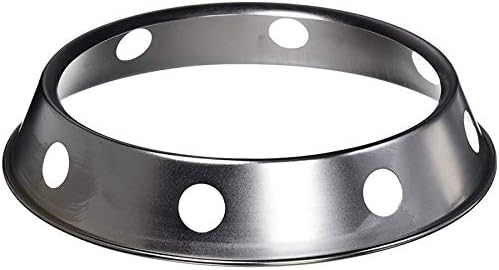
Alternatively, stainless steel options offer lightweight handling, corrosion resistance, and dishwasher-safe convenience for everyday meal preparation. While stainless steel lacks the massive thermal mass of cast iron, it provides reliable physical stabilization to keep woks from sliding. Evaluate your cooking intensity and cleaning preferences before selecting a metal type.
Burner Grate Compatibility and Claw Counts
Stovetop grates vary widely across manufacturers, making grate compatibility a crucial purchasing factor for any wok ring or reducer. Many support rings require specific four-claw or five-claw grate configurations to sit level and secure during operation. Checking your existing stove design prevents purchasing an accessory that wobbles or fails to align with your burners.
Universal models often feature multiple interior slots or adjustable notches designed to bridge the gap between round grates and diverse range brands. Reviewing the product specifications against your specific stove setup guarantees a snug fit. Taking precise measurements of your burner grates beforehand ensures safe, balanced cookware placement.
Dimensions and Cookware Base Sizing
Proper sizing ensures your wok, saucepan, or Moka pot rests securely without tipping into the burner flame. Round-bottom wok rings typically require a specific diameter difference compared to the wok itself to achieve optimal resting height and stability. Accurately measuring your cookware base prevents dangerous spills during cooking.
Reducer rings designed for small pots focus on narrow interior openings to cradle miniature espresso makers or butter warmers. Matching the inner and outer diameters of the ring to your cookware collection guarantees seamless daily operation. Avoid guessing dimensions to ensure maximum safety and balance on active gas flames.
Stability and Non-Slip Design Features
Maintaining a steady cooking platform is essential when managing heavy woks or vigorous culinary movements like stir-frying. Look for support rings featuring serrated edges, perforated sides, or secure rim designs that grip the burner grate firmly. These physical attributes prevent the ring from shifting unexpectedly while you cook.
Non-slip performance minimizes the risk of sliding pots, protecting your kitchen from hot oil splatters and accidental burns. A well-secured support ring stays firmly in place even when stirring thick sauces or tossing ingredients. Prioritizing stable contact points enhances overall kitchen safety during high-heat cooking tasks.
Energy Efficiency and Combustion Control
Advanced wok ring designs often incorporate windproof slots or tiered combustion systems to maximize gas stove efficiency. These specialized airflow channels concentrate firepower directly against the bottom of your cookware, reducing overall cooking times. Improved combustion control helps lower gas consumption during everyday meal preparation.
Concentrating the flame also prevents heat from escaping around the sides of large pots and smaller pans. Home cooks seeking faster boiling times benefit significantly from rings engineered with optimized thermal diffusion features. Reviewing airflow slot designs helps identify models that enhance heating power.
Cleaning and Maintenance Requirements
Keeping your wok ring clean ensures long-term performance and prevents grease buildup in the kitchen. Stainless steel variants frequently offer dishwasher-safe maintenance, allowing for effortless cleaning after greasy stir-fries. This low-maintenance profile appeals to busy cooks seeking quick kitchen cleanup routines.
Cast iron models require different care steps, such as hand washing and occasional oil seasoning to prevent rust and maintain performance. Following manufacturer maintenance guidelines preserves the protective coating on enamel-treated cast iron rings. Evaluating your willingness to perform routine seasoning helps determine the ideal material choice.
Frequently asked questions
Will a wok ring fit any gas stove?
Wok rings do not universally fit every gas stove because stove grate designs vary significantly across brands and models. Many support rings are specifically engineered for four-claw or five-claw grates, while others feature slotted universal designs to adapt to various square or round grates. It is essential to inspect your existing stove grates and compare their dimensions against the product specifications before making a purchase. Checking compatibility ensures the ring sits level and remains stable during active cooking sessions.
How do I choose the correct size wok ring for a round-bottom wok?
Selecting the correct size wok ring for a round-bottom wok typically requires choosing a rack that is smaller than your wok diameter, often by a few inches, depending on the specific design guidelines. This sizing difference allows the round bottom of the wok to nest securely into the inner opening without touching the burner surface directly. Always review the manufacturer recommendations and measure your wok base accurately to achieve optimal stability and prevent dangerous wobbling or tipping while stir-frying.
Can cast iron wok rings be washed in the dishwasher?
Cast iron wok rings generally require hand washing rather than dishwasher cleaning to protect their material integrity and prevent rust formation. Unlike stainless steel alternatives that often feature dishwasher-safe construction, cast iron demands careful maintenance, including prompt drying and occasional oil seasoning. Following the manufacturer care instructions helps preserve the protective finish, prevents corrosion, and extends the operational lifespan of heavy cast iron burner supports and reducers used in home kitchens.
What is the purpose of the slots on a gas stove reducer ring?
The slots on a gas stove reducer ring serve to accommodate various burner grate configurations and promote smooth airflow during combustion. These versatile slots allow the heavy-duty ring to adapt securely to different four-prong and five-prong grates found on various US gas ranges. Additionally, well-designed airflow slots optimize thermal diffusion, concentrating the flame directly against small cookware bases like Moka pots and butter warmers to improve heating speed and energy efficiency.
Are stainless steel wok rings better than cast iron models?
Neither stainless steel nor cast iron wok rings are universally better; their suitability depends entirely on your cooking habits and maintenance preferences. Stainless steel offers lightweight handling, corrosion resistance, and effortless dishwasher-safe cleanup for everyday kitchen use. In contrast, heavy-duty cast iron provides superior mass, excellent heat retention, and intense thermal concentration for high-heat stir-frying. Evaluating your specific culinary requirements helps determine which material best matches your daily cooking routine.