Appliances · Buying Guide
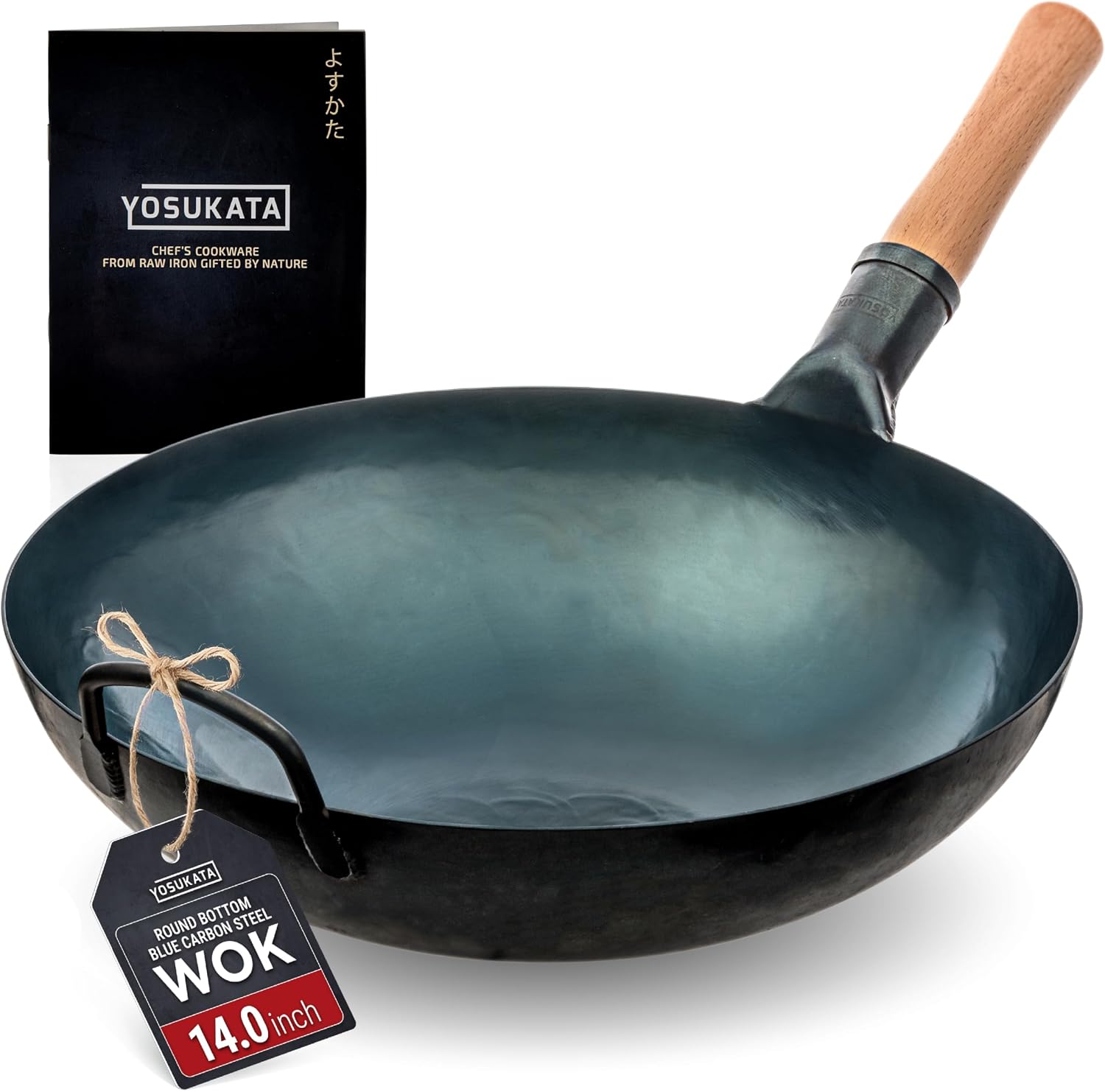
Best Yosukata Black Carbon Steel Wok Options for Home Kitchens
Finding the right cookware for high-heat stir-frying and authentic Asian dishes can completely change how you prepare delicious weeknight dinners at home or outdoors. A quality carbon steel pan provides the rapid heat distribution and high durability needed to lock in juices and flavors effectively without relying on synthetic non-stick coatings or heavy chemical treatments during use.
This comprehensive overview examines several leading options designed for various stovetops, outdoor cooking setups, and personal capacity preferences. By understanding the core material specifications, handle designs, and thermal limits, you can select a reliable cooking vessel that seamlessly matches your kitchen setup, stovetop type, and everyday culinary goals for years to come.
As an Amazon Associate, StacyLaughs earns from qualifying purchases.
Buying guide
Evaluating Bottom Shapes for Your Stovetop
Choosing between flat-bottom and round-bottom carbon steel woks depends entirely on your kitchen stove type. Flat-bottom models provide stable contact across electric, glass, induction, and gas burners alike. They sit securely without tipping, making them versatile for modern kitchens where stove configurations vary. If your kitchen features a standard glass top or induction burner, a flat base is mandatory for proper heat transfer and safe cooking performance.
Conversely, traditional round-bottom woks require dedicated gas burners or open fire setups supported by a wok ring. This curved shape allows traditional wok shovels to scoop food effortlessly from the edges. Selecting the correct bottom shape prevents stability issues and ensures efficient thermal performance during high-heat stir-frying sessions, keeping your cooking safe and effective regardless of your kitchen layout.
Understanding Carbon Steel Thickness and Gauge
The thickness of a carbon steel wok directly affects its heat retention, durability, and overall weight during use. Thicker options, such as 15-gauge steel, offer robust resistance against warping under intense heat and maintain steady temperatures during heavy-duty cooking. However, this heavier gauge adds significant weight to the pan, requiring more arm strength when tossing ingredients or washing the cookware after dinner.
Lighter carbon steel woks are easier to lift and maneuver quickly across burners, making them convenient for everyday meal preparation. When shopping, balance your personal physical comfort with your cooking style. If you frequently cook large batches over maximum heat, a heavier gauge provides superior longevity. Lighter models suit cooks prioritizing agility and effortless handling over maximum thermal mass.
Pre-Seasoned Surfaces Versus Raw Metal
Modern carbon steel woks often arrive pre-seasoned at high temperatures, offering a convenient starting point right out of the box. This initial factory treatment helps reduce sticking during your first few cooking sessions without requiring immediate high-heat burning rituals. However, factory seasoning is only a foundation and requires ongoing maintenance with cooking oils to build a truly resilient, natural non-stick surface over time.
Understanding this maintenance cycle is crucial for long-term satisfaction. Unlike synthetic non-stick pans that degrade with metal utensils, carbon steel improves with use as layers of polymerized oil accumulate. Regular cleaning with warm water, prompt drying, and light oiling after each use prevent rust and preserve the cooking surface. Embracing this simple care routine ensures your wok develops a dark, smooth patina that enhances food flavor.
Handle Materials and Ergonomic Design
Handle construction plays a vital role in safety, comfort, and control when manipulating a hot wok over an open flame or burner. Wooden handles, including New Zealand beech and standard hardwoods, provide a secure grip while remaining cool to the touch during cooking. An ergonomic shape prevents slipping when lifting heavy loads of food, reducing hand fatigue during long braising or deep-frying sessions.
When evaluating handle options, check how securely the handle is attached to the pan body. Riveted or welded joints must withstand frequent movement and high temperatures without loosening. Additionally, consider whether the wok features an auxiliary helper handle opposite the main grip. A helper handle provides essential stability when lifting extra-large or heavy woks filled with ingredients from the stovetop to a serving platter.
Matching Capacity to Household Size
Selecting the appropriate wok capacity ensures you can prepare enough food without overcrowding the cooking surface or spilling ingredients over the rim. Smaller models around eleven to twelve inches work well for single portions or couples, fitting easily into compact storage spaces and standard kitchen cabinets. Larger sizes ranging from thirteen to fourteen inches offer expansive surface areas ideal for multi-person households, meal prepping, and entertaining guests.
Overcrowding a small wok lowers the temperature, causing food to steam rather than sear properly. Matching the pan diameter and depth to your typical batch size preserves authentic texture and flavor. Keep in mind that larger capacities also mean increased overall weight and wider footprints, so verify that your pantry or cabinet storage can comfortably accommodate the pan dimensions before purchasing.
Stovetop Compatibility and Outdoor Versatility
Carbon steel woks vary significantly in their compatibility with different cooking appliances, making it essential to verify your stove type before buying. Flat-bottom woks excel in versatility, working seamlessly across gas coils, smooth glass surfaces, electric elements, and induction cooktops. Many models also transition effortlessly to outdoor BBQ grills, camp stoves, and open fire setups for backyard cooking enthusiasts and camping trips.
Round-bottom woks offer traditional performance but restrict your appliance choices strictly to gas burners and open fires equipped with proper support rings. Reviewing these compatibility details prevents frustration and ensures your cookware matches your kitchen setup. Whether cooking indoors on a sleek induction cooktop or outdoors over an open campfire, selecting the right base design guarantees safe heat transfer and optimal cooking results.
Frequently asked questions
Do Yosukata carbon steel woks come ready to use right out of the box?
Yes, these woks are pre-seasoned at high temperatures exceeding 600 degrees Fahrenheit using advanced manufacturing techniques. This factory process provides a functional non-stick starting layer, allowing you to rinse the pan and start cooking immediately without burning oil yourself. However, this initial seasoning is only a foundation. To achieve optimal natural non-stick performance and prevent sticking over time, you must continue seasoning the wok with oil regularly after cleaning and drying it thoroughly.
Can I use a round-bottom wok on an electric or induction cooktop?
No, traditional round-bottom woks are specifically designed for gas stovetops and open fire setups where the flame wraps around the curved base. They require a wok ring for stability and will not maintain proper contact on flat glass, electric, or induction cooktop surfaces. If your kitchen relies on flat electric or induction elements, you must choose a flat-bottom wok model to ensure stable heat transfer and safe cooking performance across the burner surface.
How should I clean and maintain my carbon steel wok after cooking?
You should always hand wash your carbon steel wok using warm water without harsh chemical detergents that can strip the seasoned layer. Scrub away food residue gently with a soft sponge, then dry the pan completely immediately afterwards using a towel or low heat on the burner. Apply a very thin layer of cooking oil across the interior and exterior surfaces with a paper towel before storing to protect the bare metal from rust and moisture damage.
Are carbon steel woks safe and free from synthetic chemical coatings?
Yes, genuine carbon steel woks contain no synthetic non-stick coatings, PTFE, PFOA, or harmful chemical treatments. They are forged from pure, natural metal materials designed for safe, high-heat cooking environments. The non-stick properties develop naturally over time through the polymerization of cooking oils applied during regular use and maintenance. This traditional construction allows you to sear, stir-fry, and braise at high temperatures without worrying about releasing toxic fumes from artificial non-stick coatings.
Why are some carbon steel woks heavier than others?
The weight of a carbon steel wok depends directly on its metal thickness, often measured in gauge, and its overall diameter. Heavy-duty models forged from 15-gauge steel offer exceptional durability, warping resistance, and thermal mass for professional cooking, but they typically weigh between four and five pounds. While this heavier build ensures long-term resilience, it requires greater arm strength to lift and toss ingredients. Lighter models offer easier handling for everyday cooks who prioritize agility.