Appliances · Buying Guide
Best Yosukata Carbon Steel Wok: Choosing the Right Traditional Pan

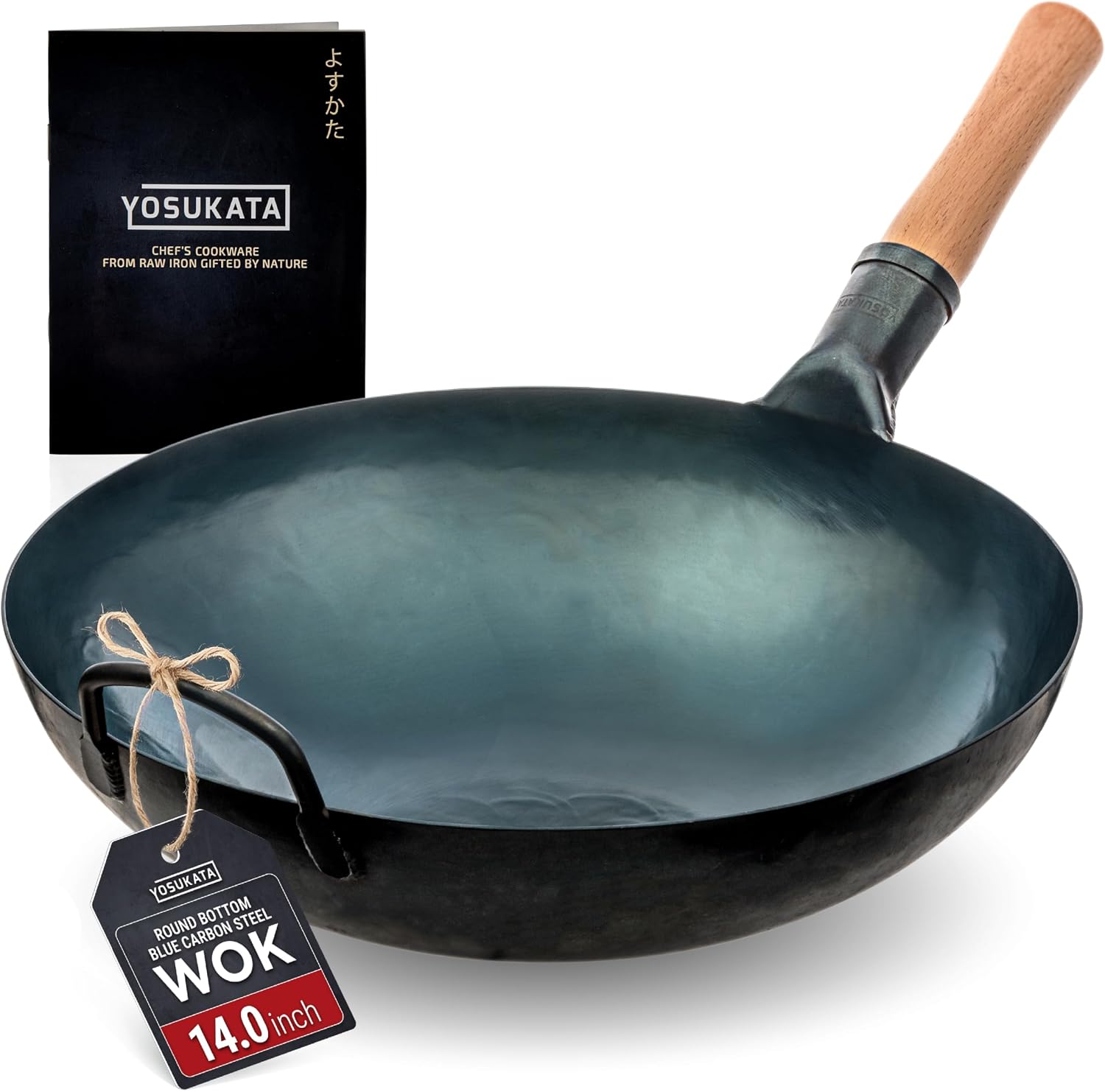
Choosing a traditional cooking pan for high-heat meals means understanding how material choice and bottom shape affect your stove compatibility. A yosukata carbon steel wok offers a responsive cooking surface designed to handle intense temperatures while developing a natural non-stick layer over time. Whether you cook over an open flame, gas burner, or flat electric surface, matching the correct pan design to your kitchen setup ensures optimal heat distribution and reliable daily performance.
Traditional carbon steel construction requires specific maintenance habits, including hand washing and regular oil seasoning, to prevent rust and maintain performance. Exploring the differences between flat and round bottom options, as well as blue and black steel finishes, helps you select a reliable tool for stir-frying, searing, and deep-frying. Evaluating these physical attributes directly supports better cooking outcomes without relying on synthetic coatings.
As an Amazon Associate, StacyLaughs earns from qualifying purchases.
Buying guide
Bottom Shape and Stovetop Compatibility
Choosing between a flat bottom and a traditional round bottom wok depends entirely on your kitchen cooktop setup and cooking style. Flat bottom woks feature a stable base designed to sit securely on electric coils, smooth glass surfaces, and modern induction cooktops. They provide direct contact with heating elements, making them exceptionally versatile for standard indoor kitchens.
Conversely, curved round bottom woks are engineered specifically for gas burners and open fire outdoor cooking setups. Because they lack a flat base, they require specialized support rings or dedicated high-output gas brackets to remain stable. Matching your pan shape to your heat source ensures safe and efficient cooking performance.
Material Thickness and Weight Considerations
The thickness of carbon steel directly influences how well a pan retains heat and resists warping under intense cooking temperatures. Heavy-duty 15-gauge steel offers robust structural durability, maintaining stable cooking temperatures during high-heat searing and deep-frying tasks. This sturdy metal construction prevents buckling when exposed to rapid thermal changes over powerful burners.
However, increased material thickness adds noticeable weight to the cookware, often ranging from four to nearly five pounds when empty. While this heavy build ensures professional-grade longevity, it requires greater upper body strength when lifting or tossing food. Balancing structural durability against daily handling comfort helps you choose a pan that matches your physical preferences.
Pre-Seasoning and Initial Preparation
Factory pre-seasoned carbon steel cookware provides a highly convenient starting point by applying advanced high-temperature treatments before shipping. This initial processing creates a dark, semi-non-stick surface that reduces the need for extensive initial burning or harsh chemical treatments at home. You can typically rinse the pan with warm water and begin cooking with minimal preparation steps.
Despite these factory treatments, building a truly reliable non-stick layer requires ongoing oil seasoning over time. Regular cooking with high-smoke-point fats and oils helps polymerize a protective coating that prevents food from sticking during high-heat tasks. Understanding that factory seasoning serves merely as a baseline encourages proper care habits during your early cooking sessions.
Maintenance and Rust Prevention
Carbon steel pans require strict adherence to hand washing instructions to preserve their seasoning and structural integrity. Automated dishwashers use harsh detergents and prolonged moisture exposure that strip away protective oil layers and induce rapid rusting. Washing your pan by hand with warm water ensures the metal remains clean without chemical damage.
After washing, thoroughly drying the surface and applying a thin coat of cooking oil is essential for rust prevention. Storing the pan in a dry environment protects the bare metal from ambient humidity. Committing to these simple maintenance routines guarantees your cookware stays functional and ready for daily meal preparation.
Size Selection and Cooking Capacity
Selecting the right pan diameter depends directly on your household size and the typical batch volumes you prepare. Compact 11.8-inch models suit individuals or couples, fitting easily into smaller storage spaces and standard kitchen cabinets. They offer agile handling for quick weeknight meals without taking up excessive stovetop room during preparation.
Larger 13.5-inch and 14-inch extra-large woks provide expansive cooking surfaces ideal for feeding larger families or entertaining guests. These bigger pans accommodate generous portions of fried rice, vegetables, and meats without overcrowding the cooking zone. Assessing your usual meal sizes ensures you select a diameter that balances storage convenience with adequate cooking capacity.
Ergonomic Handling and Grip Design
A secure handle design is critical for maintaining safe control while tossing ingredients over high stove heat. Ergonomic wooden handles provide a comfortable, non-sliding grip that insulates your hand from thermal transfer during extended cooking sessions. This thoughtful grip design minimizes hand fatigue when managing heavy pans filled with dense ingredients.
Evaluating how the handle attaches to the wok bowl ensures long-term structural stability and safety during heavy kitchen tasks. Securely fastened wooden grips prevent wobbling or loosening during active stirring and flipping maneuvers over open flames. Checking handle construction details helps you choose a tool that feels balanced and secure in your hand every time.
Frequently asked questions
Can I use a carbon steel wok on an induction cooktop?
Flat-bottom carbon steel woks are fully compatible with induction cooktops because their flat base makes direct contact with the magnetic burner surface. However, traditional round-bottom woks cannot be used on induction ranges because their curved exterior prevents proper contact with the flat glass plate. If you cook with induction, always select a flat-bottom model and ensure the burner diameter matches the base of your pan for efficient, even heating during stir-frying and searing tasks.
Do I need to season a pre-seasoned Yosukata wok before first use?
Factory pre-seasoned woks arrive treated with high-temperature techniques that provide a functional initial non-stick surface, meaning you can simply rinse the pan with warm water and start cooking immediately. Despite this factory preparation, building a robust, long-lasting non-stick layer requires ongoing oil seasoning over time. Regular cooking with high-smoke-point oils and proper maintenance will continuously improve the natural coating, ensuring better food release and rust protection throughout the lifespan of your cookware.
Why is hand washing required instead of using a dishwasher?
Hand washing is strictly required because automated dishwashers expose carbon steel to harsh detergents, high-pressure water jets, and prolonged moisture that quickly strip away the protective oil seasoning and cause immediate rusting. Washing your pan by hand using warm water and a soft sponge cleans food residues without damaging the bare metal. Immediately drying the surface and applying a thin coat of oil after washing preserves the seasoning layer and keeps your cookware ready.
What is the difference between blue and black carbon steel woks?
Blue carbon steel undergoes a specialized thermal oxidation process that gives the metal a distinct blue tint while offering enhanced resistance to corrosion compared to untreated steel. Black carbon steel features a dark finish achieved through high-temperature manufacturing treatments that create a solid baseline for oil seasoning. Both materials deliver identical cooking performance, high heat tolerance, and durability; the choice between them typically depends on aesthetic preference and factory finish options available for your preferred size.
Can I use metal utensils with a carbon steel wok?
Carbon steel pans feature pure, uncoated metal surfaces containing no synthetic non-toxic chemicals or PTFE layers, making them entirely compatible with metal spatulas, ladles, and tongs. While metal utensils may scratch the surface seasoning slightly during active stir-frying, these marks do not harm the pan or affect its cooking performance. You can easily rebuild the seasoning layer through regular oil conditioning, allowing you to use traditional metal cooking tools without worrying about damaging synthetic coatings.