Appliances · Buying Guide
Best 12 Volt Induction Cooktop Options for Efficient Off Grid Cooking
Finding a reliable cooking surface for compact spaces, RVs, or alternative power setups requires balancing wattage, physical dimensions, and precise temperature controls. Traditional coil burners often waste significant thermal energy, whereas modern induction alternatives transfer electro-magnetic energy directly into compatible cookware. This direct heating method speeds up boiling times while keeping surrounding surfaces much cooler to the touch during operation.
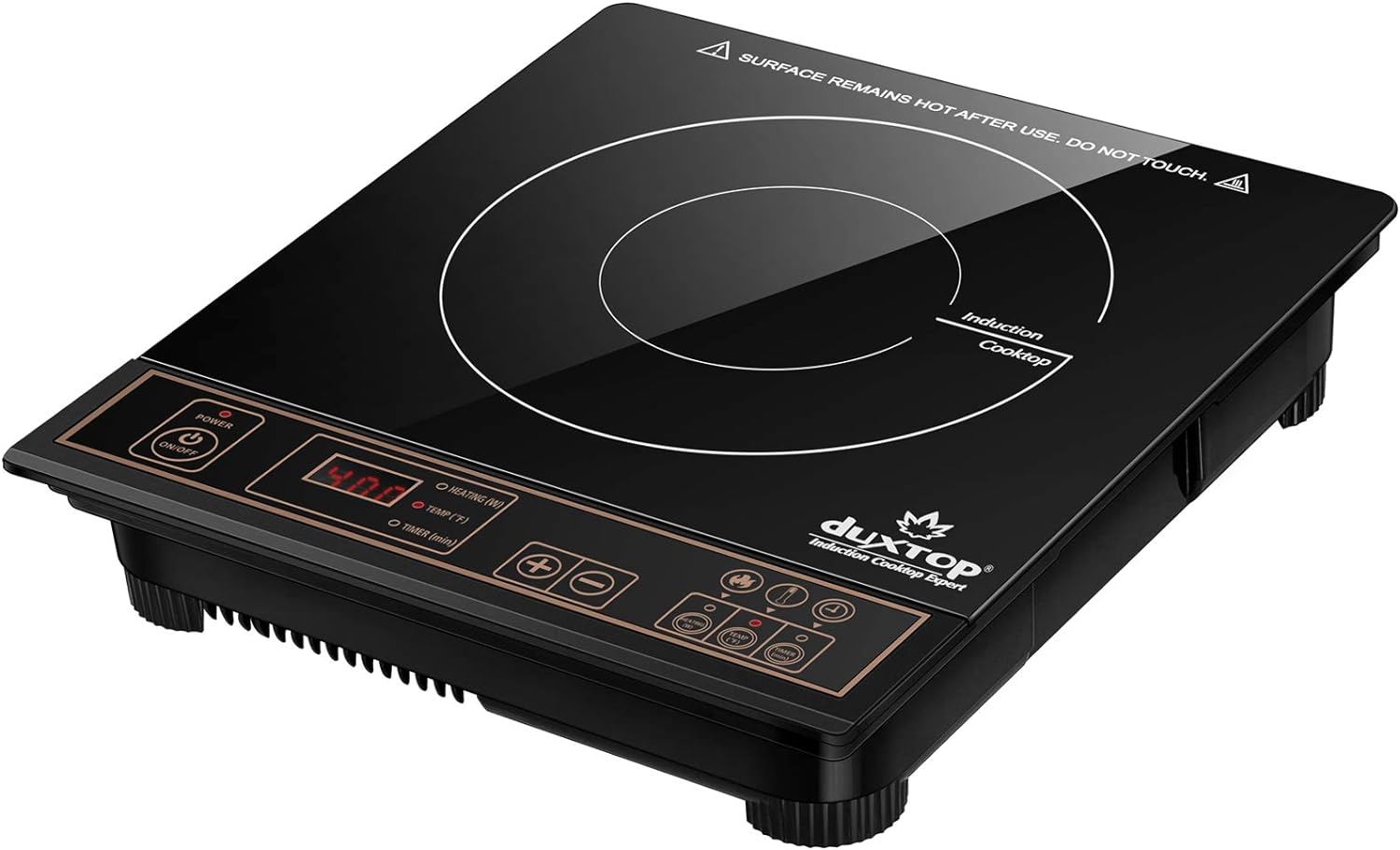
When exploring options like a 12 volt induction cooktop category or standard 120V portable variants, understanding your specific electrical capacity and cookware collection is essential. Magnetic pots and pans are mandatory for these units to function correctly, meaning standard aluminum or copper vessels will not generate heat. Reviewing available footprints, power tiers, and safety mechanisms helps you select a reliable cooking companion for daily meals.
As an Amazon Associate, StacyLaughs earns from qualifying purchases.
Buying guide
Power Requirements and Wattage Compatibility
Evaluating electrical requirements is the most critical step when selecting an induction cooktop for your kitchen, RV, or alternative living space. Most portable units operate on standard 120-volt circuits, drawing up to 1800 watts at their absolute maximum power setting. Understanding these electrical boundaries helps you avoid overloading household circuits or portable power stations during daily meal preparation routines.
Matching your power supply capacity prevents tripped breakers and unexpected shutdowns during heavy cooking sessions. If you plan to run a burner through a mobile inverter or limited outlet, verifying continuous wattage ratings ensures reliable, uninterrupted operation. Always review your specific electrical setup before plugging in high-wattage kitchen appliances to maintain safety.
Cookware Material and Magnet Compatibility
Induction technology relies entirely on electro-magnetic energy to heat pots and pans directly rather than warming the surrounding glass surface. Because of this unique physical process, your existing cookware collection must be tested for magnetic compatibility before use. Standard aluminum, copper, glass, and non-magnetic stainless steel pots will not generate any heat on an induction burner.
Performing a simple flat-bottom magnet test determines whether your pans are suitable for induction cooking. If a magnet firmly clings to the exterior base without sliding, the cookware will function efficiently. Choosing flat, thick-bottomed magnetic iron or steel vessels ensures optimal thermal transfer and prevents error codes from disrupting your cooking flow.
Physical Dimensions and Countertop Footprint
Measuring your available counter space or storage cabinets before purchasing an induction cooktop prevents frustrating fit issues upon delivery. Portable single-burner models typically span around eleven to fourteen inches in width, taking up minimal room on crowded kitchen counters, mobile homes, or dorm desks. Assessing your storage areas ensures the appliance slips easily into cabinets when not in use.
Slimmer profiles under two inches thick make stowing the appliance away in tight RV compartments or camper vans remarkably easy. However, if you regularly use large stockpots or multi-quart pans, a compact body might crowd adjacent burners or overhang the edges. Balancing physical dimensions with your typical cookware size ensures a comfortable, practical cooking experience every single day.
Temperature Precision and Power Levels
Having fine control over cooking temperatures allows you to execute delicate culinary tasks like melting chocolate or simmering thin sauces without scorching. Advanced induction burners offer numerous power tiers and temperature increments, ranging from low warming thresholds up to high searing heats. These granular adjustments give you the confidence to handle complex recipes requiring exact thermal stability.
Reviewing how a cooktop adjusts its output helps you match the appliance to your specific recipe requirements. Models with extensive multi-level increments give you greater mastery over boiling and frying, while simpler units with fewer presets offer straightforward operation. Selecting the right control tier ensures you achieve consistent, repeatable results across diverse everyday meals.
Safety Features and Automatic Controls
Built-in safety mechanisms provide vital peace of mind when operating high-power induction cooktops in busy kitchens, dorm rooms, or traveling vehicles. Features like child locks prevent accidental setting changes by curious hands, while residual heat warning lights alert you to warm glass surfaces long after cooking finishes. These protective additions guard against common kitchen mishaps effectively.
Automatic pan detection systems enhance security by shutting the heating element off shortly after compatible cookware is removed from the glass top. Additionally, overflow sensors and programmable timers protect against boiled-over liquids and unattended cooking hazards during busy schedules. Prioritizing these protective elements ensures a secure environment for all household members and guests.
Maintenance and Cleaning Convenience
Keeping your induction cooktop clean requires minimal effort because the glass ceramic surface remains relatively cool during operation, preventing spilled food from baking hard onto the burner. Wiping down smooth glass surfaces with a damp cloth after cooling keeps the appliance looking pristine without requiring harsh chemical cleaners. Regular wipe-downs maintain a hygienic cooking station effortlessly.
Following manufacturer maintenance guidelines ensures your cooktop stays in top working condition over years of regular use. Avoiding abrasive scouring pads prevents scratching the delicate ceramic top while maintaining responsive touch controls. Simple, consistent cleaning routines preserve both the aesthetic appeal and daily performance of your countertop burner for every meal.
Frequently asked questions
Do induction cooktops work with all types of pots and pans?
No, induction cooktops require cookware made from magnetic materials such as cast iron or magnetic stainless steel. Traditional aluminum, copper, glass, and non-magnetic stainless steel pots will not generate heat on an induction burner because they lack the necessary magnetic properties. You can easily test your existing cookware by holding a refrigerator magnet against the bottom of the pan. If the magnet clings firmly to the base, your cookware is compatible and ready for use. If it slides off without holding, you will need to purchase induction-ready alternatives before operating the cooktop.
Can I use a portable induction cooktop inside an RV or camper van?
Yes, many people use portable induction cooktops in RVs, camper vans, and tiny homes because they provide flameless cooking and high energy efficiency. However, you must carefully calculate your electrical power supply and inverter capacity before plugging in an 1800-watt appliance. Standard RV electrical systems can easily handle single-burner induction units when plugged into shore power, but off-grid battery setups require robust inverters capable of handling high continuous wattage draws without tripping breakers or depleting your power storage rapidly.
Why does my induction cooktop make a buzzing or humming noise?
The induction process itself is entirely silent, but you may occasionally hear a buzzing, clicking, or high-pitched humming sound during cooking. This noise typically originates from the construction of your cookware rather than a defect in the cooktop appliance. Multi-clad pots and pans that feature multiple layers of sandwiched metals often vibrate slightly when exposed to rapid electromagnetic energy fields. Using heavy, single-layer cast iron or high-quality solid magnetic stainless steel cookware usually minimizes these operational sounds significantly.
How do I clean and maintain a glass ceramic induction burner?
Cleaning a glass ceramic induction cooktop is straightforward because spilled food does not bake onto a scorching hot surface. After the burner cools down completely, wipe away everyday messes and grease using a soft damp cloth or sponge with mild dish soap. Avoid using abrasive scouring pads, steel wool, or harsh chemical powders that can scratch the smooth glass finish. Regularly clearing away debris keeps touch controls responsive and preserves the visual appearance of your countertop appliance for years.
What happens if I remove my pan from the cooktop while it is running?
Most modern induction cooktops feature automatic pan detection sensors designed to enhance safety during operation. When you lift your cookware off the ceramic surface, the internal sensor detects the absence of a magnetic base and automatically interrupts the heating process. Many units will trigger a visual warning indicator or emit a standby error code, then shut down completely after a short period if no pan is returned. This protective feature prevents energy waste and reduces accidental burn hazards in busy environments.