Appliances · Buying Guide
Best 2 Burner Induction Cooktop Portable Choices for Flexible Meal Prep
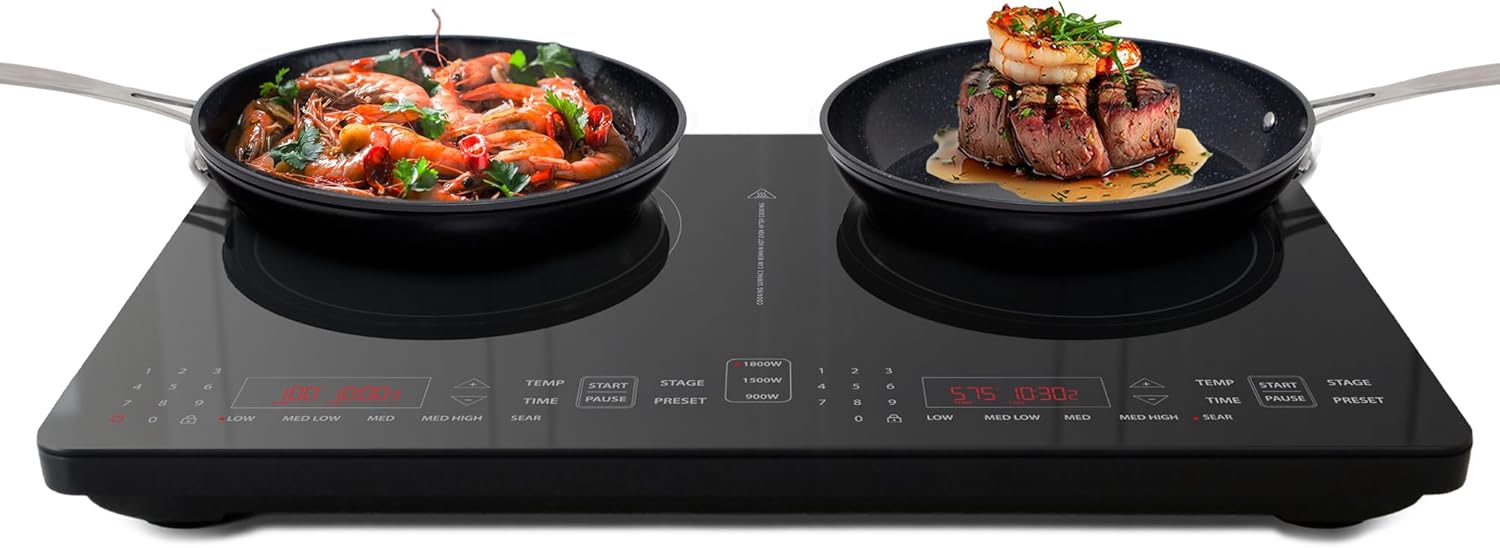
Finding reliable cooking gear for compact spaces, RV trips, or supplementary kitchen stations often leads home cooks to evaluate a 2 burner induction cooktop portable appliance. These modern units use magnetic fields to heat compatible cookware directly, bypassing traditional open flames and warm ambient coils to keep surrounding counter areas cool and safe during heavy cooking tasks.
Because they plug into standard household electrical outlets while offering dual-zone versatility, they handle everything from rapid boiling to gentle simmering across two distinct dishes at once. Reviewing specific design details helps match power distribution, surface materials, and interface controls to your everyday meal preparation routine without unnecessary complication.
As an Amazon Associate, StacyLaughs earns from qualifying purchases.
Buying guide
Power Distribution and Wattage Limits
Evaluating how a portable induction cooktop manages electricity is essential for successful meal preparation in your home or RV. Most double burners operate on standard 110V to 120V household outlets with an overall ceiling of 1800 watts. Some units split this power evenly between both heating zones, while others use dynamic technology to shift wattage depending on active cooking demands and recipe requirements.
Understanding these electrical limits prevents tripped circuit breakers and helps you plan your cooking sequence effectively. If you intend to boil a large pot of water rapidly on one side while maintaining a gentle simmer on the other, look closely at how the appliance allocates its total capacity without sacrificing performance.
Surface Materials and Durability
The cooking surface material dictates both heat resistance and cleanup ease after heavy meal preparation. Ceramic glass and shatter-resistant glass tops provide smooth, continuous areas that wipe clean quickly with a damp cloth once cooled. These robust surfaces withstand high thermal stress without cracking, ensuring long-term reliability for everyday cooking routines in tight kitchens.
Weight capacity is another critical factor tied directly to surface construction and internal framing. Models supporting heavy loads up to twenty-five pounds accommodate large cast-iron skillets, heavy Dutch ovens, and thick-bottomed stockpots safely. Checking the specified weight limits ensures your heaviest cookware rests securely during active stirring, frying, and other intensive culinary tasks without stability issues.
Control Interfaces and Settings
Interface design influences how comfortably you adjust temperatures during busy cooking sessions across multiple dishes. Options range from pure touch-control panels with digital LCD screens to hybrid designs pairing physical adjustment knobs with touch buttons. Touch interfaces offer sleek, gap-free surfaces that prevent food debris from collecting in crevices, while physical knobs provide immediate tactile feedback.
Preset levels and programmable timers further refine operational control for complex recipes. Look for units offering multiple temperature or power increments, allowing you to dial in exact heat for frying, sautéing, or slow simmering. Built-in timers extending up to several hours help manage longer recipes without requiring constant manual watchfulness from the cook.
Compatible Cookware Requirements
Induction cooking relies entirely on magnetic fields to generate heat directly inside the pan rather than warming the burner glass. Because of this underlying technology, you must use cookware featuring magnetic bases such as cast iron, enameled iron, or specialized stainless steel. Pans lacking magnetic properties will simply trigger error codes and fail to heat up.
Pan size and base flatness also dictate compatibility and overall heating efficiency. Most cooktops specify minimum and maximum diameter thresholds, ranging from four inches up to nearly ten inches, to ensure proper sensor detection by internal coils. Selecting completely flat-bottomed pots guarantees even heat distribution across the cooking zone during frying or boiling tasks.
Safety Mechanisms and Controls
Built-in safety features provide vital protection when operating high-powered electric appliances on temporary countertops or in tight RV spaces. Child safety locks prevent accidental touch inputs from altering active heat levels, which is especially useful in households with children. Automatic pan detection ensures the heating elements shut off immediately when cookware is removed from the surface.
Additional safeguards include overheat protection, residual heat indicators, and automatic shutoff timers after extended periods of inactivity. These mechanical and electronic mechanisms protect internal components from thermal damage while offering peace of mind during everyday meal preparation routines. Reviewing these safety inclusions helps ensure secure, worry-free operation for your household, family members, and guests.
Portability and Storage Convenience
A truly portable induction cooktop should be lightweight and compact enough to move easily between indoor kitchens, outdoor patios, and recreational vehicles. Slim profiles allow these appliances to slide effortlessly into narrow cabinets, drawers, or storage shelves when not in use. Evaluating overall dimensions and unit weight helps confirm whether the appliance fits your specific travel lifestyle.
Cord length and standard plug requirements also influence where you can set up your temporary cooking station. Because these double burners plug into standard household electrical outlets without requiring special wiring, you gain immense flexibility in placement across different rooms or outdoor venues. Balancing physical dimensions with your available storage space ensures convenient handling and effortless transport.
Frequently asked questions
What kind of cookware do I need for a portable induction cooktop?
Induction cooktops require cookware made from magnetic materials such as cast iron, enameled iron, or magnetic stainless steel. The base of the pot or pan must be completely flat and meet the manufacturer's specified diameter requirements, which typically range from four to ten inches depending on the specific model. You can easily test your existing pots by holding a small magnet against the bottom; if it sticks firmly, the cookware is compatible. Non-magnetic materials like aluminum, copper, or glass will not generate heat on an induction surface.
Can I run both burners at full power simultaneously on a standard outlet?
Most portable double induction cooktops plug into standard 110V or 120V household outlets and share an aggregate power ceiling of 1800 watts. While individual burners may be rated for high wattage individually, operating both zones at the same time usually causes the unit to dynamically distribute or cap the combined output to stay within electrical limits. This means you can successfully boil water on one side while simmering on the other, but you may experience slower heating speeds when both zones demand maximum power simultaneously.
How do I clean and maintain the ceramic glass surface?
Cleaning a ceramic glass induction surface is straightforward because the surrounding glass stays relatively cool, preventing spilled food from baking onto the burner. After the cooktop cools down completely, simply wipe away any food residue or grease using a damp cloth or sponge with mild soap. Avoid using abrasive scouring pads, harsh chemical cleaners, or metal scrapers that could scratch or damage the shatter-resistant glass finish. Following manufacturer maintenance guidelines ensures your cooktop remains shiny and functional over years of regular use.
Are portable induction cooktops safe for homes with children?
Yes, portable induction cooktops include several built-in safety features designed to protect households, including those with children. Most models feature a child safety lock that disables the touch control panel, preventing little hands from accidentally altering cooking settings or turning the burners on. Furthermore, induction technology heats the cookware directly via magnetic fields rather than the glass surface, minimizing ambient heat. Automatic pan detection and auto-shutoff mechanisms also turn the elements off when cookware is removed or inactivity is detected.
Can I use an extension cord with my double burner induction cooktop?
Due to the high wattage demands of dual-zone induction cooktops, manufacturers generally recommend plugging the unit directly into a dedicated wall outlet rather than using an extension cord. Drawing up to 1800 watts requires stable electrical current, and standard extension cords can overheat or cause voltage drops that trigger low-voltage warnings or trip circuit breakers. If placement flexibility is a priority, ensure your cooktop is positioned near a standard household outlet that matches the specified voltage requirements without overloading household circuits.