Appliances · Buying Guide
Best 24 Inch Induction Cooktop Options for Modern Kitchen Spaces
Selecting a compact cooking surface for a streamlined kitchen setup often leads homeowners to explore a 24 inch induction cooktop. These specialized appliances offer efficient magnetic heating generated directly inside compatible cookware, keeping the surrounding glass surface relatively cool during operation. Because they fit neatly into smaller countertop cutouts, they maximize kitchen workspace without sacrificing multi-burner versatility or daily cooking speed.
Modern models incorporate intuitive slider controls, flexible heating zones designed for oversized pans, and essential built-in safety features like child locks and residual heat indicators. Understanding your specific electrical requirements, voltage standards, and magnetic cookware compatibility ensures a smooth, reliable transition to this advanced style of kitchen cooking equipment.
As an Amazon Associate, StacyLaughs earns from qualifying purchases.
Buying guide
Electrical Requirements and Voltage Standards
Selecting a 24 inch induction cooktop requires careful review of your home electrical infrastructure. Most models operate on 220 to 240 volts and demand high wattage capacities ranging from 6800 to 8200 watts. Because these units typically do not include a standard wall plug, they require hardwired professional installation by a qualified electrician to ensure household safety and local code compliance.
Assessing your kitchen circuit capacity beforehand prevents unexpected installation delays or costly electrical upgrades. Always verify that your breaker box can support the continuous electrical draw of a high-power induction appliance before finalizing your purchase decision, ensuring long-term operational reliability and avoiding tripped breakers during heavy multi-zone cooking tasks.
Burner Count and Flexible Zone Layouts
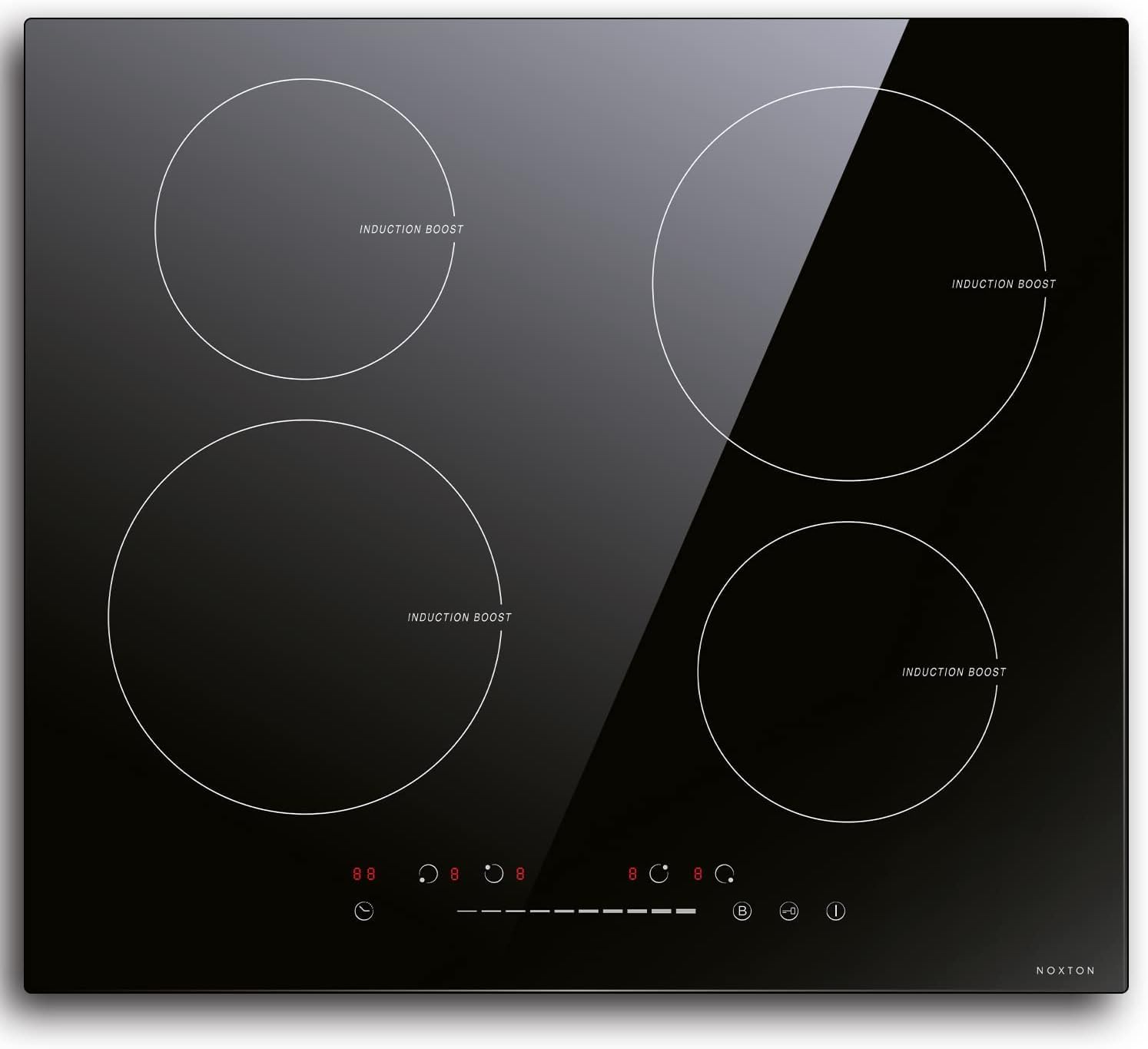
Countertop space limitations often dictate whether a three-burner or four-burner configuration best serves your daily cooking needs. Three-burner options frequently feature flexible bridge zones that combine two heating elements into a larger surface, accommodating long griddles or oversized roasting pans for group meals. Four-burner layouts maximize individual pot capacity for preparing multiple dishes simultaneously, though individual heating rings may feel closer together.
Evaluating your routine meal preparation habits helps determine the ideal layout balance. If you regularly use elongated cookware for family gatherings, a flexible bridge zone provides distinct advantages. Conversely, standard multi-ring setups support boiling, simmering, and frying various dishes at once without spatial overlap, optimizing workflow.
Cookware Compatibility and Magnetic Testing
Induction technology relies on magnetic fields to generate heat directly inside the cookware rather than heating the glass surface. Consequently, your existing pots and pans must feature magnetic iron or stainless steel bottoms to function properly on these stovetops. Aluminum, copper, or glass vessels will not heat unless they incorporate a bonded magnetic base layer designed for induction.
Before purchasing a new cooktop, you can easily test your current cookware collection using a simple refrigerator magnet. If the magnet firmly adheres to the bottom of the pot, the material is fully compatible with induction cooking. Ensuring your cookware matches these requirements avoids frustrating incompatibility issues upon initial appliance installation.
Control Interfaces and Touch Responsiveness
Modern induction cooktops utilize advanced digital touch panels and slider bars to manage temperature levels and cooking timers. Slider controls allow users to glide a finger across a calibrated bar to adjust heat instantly without repetitive button pressing. This responsive interface benefits home cooks who require quick, precise adjustments between rapid boils and delicate simmers during meal preparation.
Independent control panels for each individual burner further enhance everyday usability by allowing distinct power settings for every active pot. When evaluating different models, consider whether you prefer dragging a slider bar or tapping individual digital buttons to control your heat levels during fast-paced recipe preparation routines.
Safety Features and Child Protection
Safety provisions are paramount when operating high-power kitchen appliances featuring smooth glass-ceramic surfaces. Essential protective functions include child safety locks that disable control buttons to prevent accidental activation by young children or pets in the household. Additionally, automatic shut-off mechanisms power down elements if they remain active for extended periods or overheat unexpectedly during use.
Residual heat indicators display warning letters or flashing lights on the glass surface to inform users when heating zones remain warm to the touch after cooking is complete. These integrated safeguards offer valuable peace of mind, protecting family members from accidental burns while maintaining a secure cooking environment in busy residential kitchens.
Surface Maintenance and Glass Care
Smooth vitro ceramic glass cooktops offer sleek modern appearances alongside straightforward daily cleaning routines. Because induction heating only warms the cookware rather than the surrounding glass, spilled foods rarely burn directly onto the surface during cooking. This design significantly reduces scrubbing efforts, allowing users to wipe away messes easily with a damp cloth after elements cool down completely.
Many appliance packages include specialized cleaning scrapers to safely remove stubborn food residues without scratching the delicate glass finish. Following manufacturer maintenance guidelines ensures your cooktop retains its polished appearance and reliable performance over years of daily family meal preparation and routine residential kitchen use.
Frequently asked questions
What kind of cookware works on a 24 inch induction cooktop?
Induction cooktops require cookware with magnetic properties, such as cast iron, enameled iron, or specific stainless steel pots and pans with magnetic bottoms. You can easily verify compatibility by placing a common refrigerator magnet against the bottom of your cookware; if it sticks securely, the pot will function properly on the induction surface. Non-magnetic materials like aluminum, copper, or glass will not generate heat unless they feature a bonded magnetic base layer specifically engineered for induction appliances.
Do 24 inch induction cooktops require professional electrical installation?
Yes, these high-power appliances typically operate on 220 to 240 volts and draw substantial wattage. Because they are designed for hardwired connections rather than plugging into standard household wall outlets, a qualified professional electrician must handle the installation to ensure compliance with local electrical codes and household safety standards. Attempting a do-it-yourself setup without proper circuit capacity and professional wiring can lead to severe electrical hazards or tripped breakers during high-heat cooking tasks.
How do flexible heating zones operate on these stovetops?
Flexible heating zones allow users to combine two individual heating elements into a single large surface area. This design accommodates oversized pots, long griddles, or rectangular roasting pans that standard circular burners cannot cover effectively. When not using elongated cookware, these flexible zones can also be controlled separately just like ordinary individual burners, providing versatile cooking options for everyday meal preparation and large family gatherings without sacrificing surface space.
Are induction cooktops safer than traditional electric stovetops?
Induction cooktops offer notable safety advantages because heat is generated directly inside the magnetic cookware rather than heating the surrounding glass surface. This means the cooktop stays relatively cool to the touch during operation, reducing accidental burn risks. Additionally, most models incorporate features like child safety locks to prevent unintended button activation, automatic shut-off mechanisms, and residual heat indicators that display warning lights until the glass surface cools down completely after cooking.
How should I clean and maintain the glass ceramic surface?
Maintaining a smooth glass ceramic surface is straightforward because spilled foods do not burn onto the cooler surrounding glass during cooking. After the elements cool down completely, you can wipe away everyday messes using a damp cloth and mild cleaner. For stubborn residues, many models include specialized cleaning scrapers designed to remove stuck-on food without scratching the delicate glass finish. Always follow manufacturer guidelines and avoid abrasive scrubbing pads to preserve the polished appearance over time.