Appliances · Buying Guide
Best 30 Induction Cooktop Choices for Modern Kitchen Power
Choosing a reliable 30-inch induction cooktop transforms how you handle daily meal preparation by bringing fast, electromagnetic heating directly to your cookware. These modern kitchen appliances offer precise temperature controls, sleek glass-ceramic surfaces, and dedicated safety features designed to fit standard kitchen cutouts without requiring complicated cabinet modifications or electrical overhauls.
Whether you need a high-power five-burner setup for large family feasts or a flexible four-zone layout with bridge elements for oversized griddles, carefully evaluating voltage requirements, total wattage, and touch control interfaces ensures you select the ideal model for your specific kitchen space and daily cooking habits while maximizing energy efficiency across every meal.
As an Amazon Associate, StacyLaughs earns from qualifying purchases.
Buying guide
Voltage and Electrical Requirements
Evaluating voltage and electrical requirements stands as a critical step when shopping for a 30-inch induction cooktop. Most models operate on strict 220 to 240-volt supplies and demand a permanent hardwired connection rather than a standard wall plug. Reviewing your home electrical panel, circuit breaker amperage, and wire gauge before purchase guarantees your kitchen infrastructure handles heavy power safely without tripping breakers.
Consulting a qualified professional electrician ahead of time prevents unexpected installation delays and ensures compliance with local building codes. Failing to verify these core specifications beforehand often results in costly retrofitting expenses and frustrating downtime while upgrading wiring to match high-wattage needs. Proper planning creates a seamless transition to a modern cooktop.
Burner Count and Power Distribution
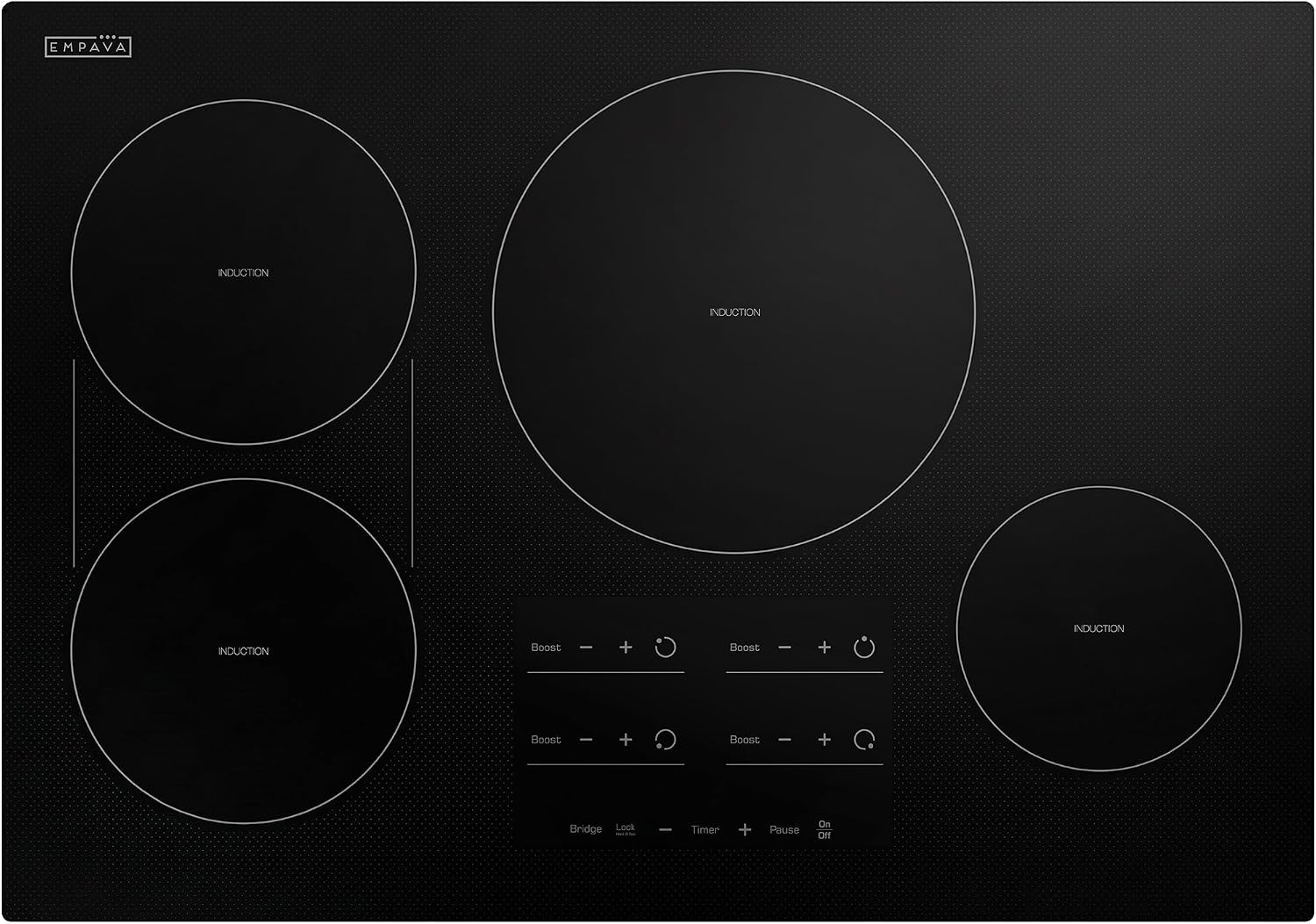
Choosing between four and five heating burners depends heavily on your typical family meal size and daily cooking habits. Five-zone models easily accommodate larger gatherings and multiple oversized pots simultaneously, whereas standard four-zone configurations provide ample workspace for everyday meal preparation without cluttering your kitchen counter area. Examining how you usually cook helps determine whether extra cooking zones justify the increased power demands of a larger appliance footprint.
Many multi-zone cooktops utilize power-sharing technology that dynamically divides electrical output between paired heating elements when high levels are activated at once. Understanding how power distribution functions prevents unexpected heating slowdowns when you attempt to boil large pots of water and sear thick meats concurrently. Reviewing zone layouts ensures your favorite cookware pieces fit comfortably side by side without crowding.
Surface Materials and Cleaning Ease
The exterior surface material of your induction cooktop dictates both its visual aesthetic and your ongoing daily maintenance routine. Smooth glass-ceramic surfaces offer a sleek, modern appearance that wipes down quickly with a soft damp cloth after minor cooking spills occur. Because induction technology heats only the cookware rather than the surrounding glass, baked-on food residue happens less frequently, making routine cleaning much simpler than traditional electric or gas stoves.
Specialized finishes, such as textured matte glass, help minimize visible fingerprints and reduce annoying light glare under bright kitchen lighting fixtures. Always follow manufacturer cleaning guidelines by using soft sponges, mild detergents, and non-abrasive scrapers while avoiding harsh scouring pads to protect the delicate glass surface from permanent scratches and cosmetic wear over years of dependable service.
Smart Controls and Safety Features
Modern induction cooktops incorporate advanced touch control panels and essential safety safeguards to protect family members during busy meal preparation times. Features like child lock functions, hot surface residual heat indicators, and automatic shut-off mechanisms prevent accidental setting adjustments and unattended operation hazards. These built-in protections offer immense peace of mind, especially in busy households where children or pets might accidentally brush against the control panel.
Digital sliders, independent zone timers, and pause-and-recall functions give you precise control over cooking temperatures and durations across every active element. Evaluating these smart control options ensures you select an appliance that balances high-tech convenience with dependable household safety protections. Clear LED displays make monitoring multiple active timers straightforward without forcing you to juggle separate kitchen clock devices.
Cookware Compatibility and Testing
Induction cooktops require specifically magnetic cookware to generate electromagnetic heat efficiently across the glass-ceramic surface. Materials like cast iron and magnetic stainless steel work perfectly out of the box, whereas copper, glass, ceramic, and standard aluminum require specialized magnetic bonding bases to function properly with induction technology. Checking your current cookware collection prevents frustrating performance issues where non-magnetic pans fail to trigger the heating elements entirely.
Performing a simple magnet test on the bottom of your existing pots and pans helps you determine exactly what cookware you can keep and what needs replacement. Ensuring full compatibility before your new cooktop arrives saves you from unexpected kitchen expenses and guarantees immediate cooking readiness upon professional installation. Investing in quality induction-ready cookware maximizes energy efficiency and cooking speed.
Cutout Dimensions and Built-In Fit
Accurate measurements of your kitchen countertop cutout are essential for achieving a flush, secure, and professional built-in cooktop installation. Overall exterior dimensions often differ significantly from required opening sizes, meaning you must carefully compare manufacturer technical diagrams and installation guides before purchasing replacement units. Neglecting to verify these exact dimensions can lead to ill-fitting appliances that leave unsightly gaps or require expensive countertop modifications.
Ensuring proper cabinet clearance, underneath ventilation space, and countertop depth prevents costly installation errors and long-term structural instability. Taking precise measurements guarantees your chosen 30-inch appliance drops smoothly into place for a polished kitchen finish that integrates harmoniously with your existing cabinetry. Thorough planning eliminates guesswork and protects your investment from avoidable fitting mistakes.
Frequently asked questions
Do all 30-inch induction cooktops require professional hardwired installation?
Most 30-inch induction cooktops demand a professional hardwired connection operating on 220 to 240 volts rather than plugging into a standard household wall outlet. Because these high-wattage appliances draw substantial electrical current, professional installation by a qualified technician ensures compliance with local electrical codes and prevents wiring hazards. Always review the manufacturer specifications and electrical guidelines before purchasing to confirm whether your home infrastructure supports a hardwired setup or if minor electrical upgrades are necessary.
How do I know if my existing pots and pans work on an induction cooktop?
You can easily determine cookware compatibility by performing a simple magnet test on the bottom of your pots and pans. If a household magnet clings firmly to the base of the cookware, it is induction-ready and will generate heat successfully on the glass-ceramic surface. Materials like cast iron and magnetic stainless steel work automatically, whereas copper, glass, ceramic, and standard aluminum require an added magnetic base disc to operate correctly with electromagnetic induction heating technology.
What is a bridge zone and why is it useful?
A bridge zone is a specialized feature that links two separate cooking elements together to form one extended heating area on your cooktop. This capability is exceptionally useful when you want to use oversized cookware, long griddles, or grill pans that exceed the footprint of a single round burner. By combining power across the linked zones, the cooktop ensures uniform heat distribution along the entire length of your large pan, making family breakfast cooking significantly easier.
How should I clean my glass-ceramic induction cooktop safely?
To clean your glass-ceramic induction cooktop safely, always allow the surface to cool completely after cooking before applying any cleaning solutions. Use a soft cloth or sponge along with mild dish detergent or a specialized ceramic cooktop cleaner to wipe away everyday grease and food splatters. Avoid harsh abrasive scouring pads, steel wool, or harsh chemicals that can permanently scratch or damage the glass finish, and remember to lift cookware rather than sliding it across the surface.
What does a power boost function do on an induction cooktop?
A power boost function temporarily increases the electrical output of a selected cooking zone to deliver extra heat rapidly when you need it most. This feature is particularly helpful for tasks like bringing large pots of water to a rolling boil quickly or getting high-heat searing started without waiting. Most boost modes operate for a limited time, such as five minutes, before automatically stepping down to a lower power level to protect internal components from overheating.