Appliances · Buying Guide
Best 5 gallon ice cream maker choices for bulk frozen desserts
Finding a reliable high-capacity dessert machine means looking closely at build materials, power options, and tub insulation. Large gatherings, family reunions, and backyard parties require equipment capable of producing enough frozen yogurt, sorbet, or ice cream to satisfy everyone without constant reloading.
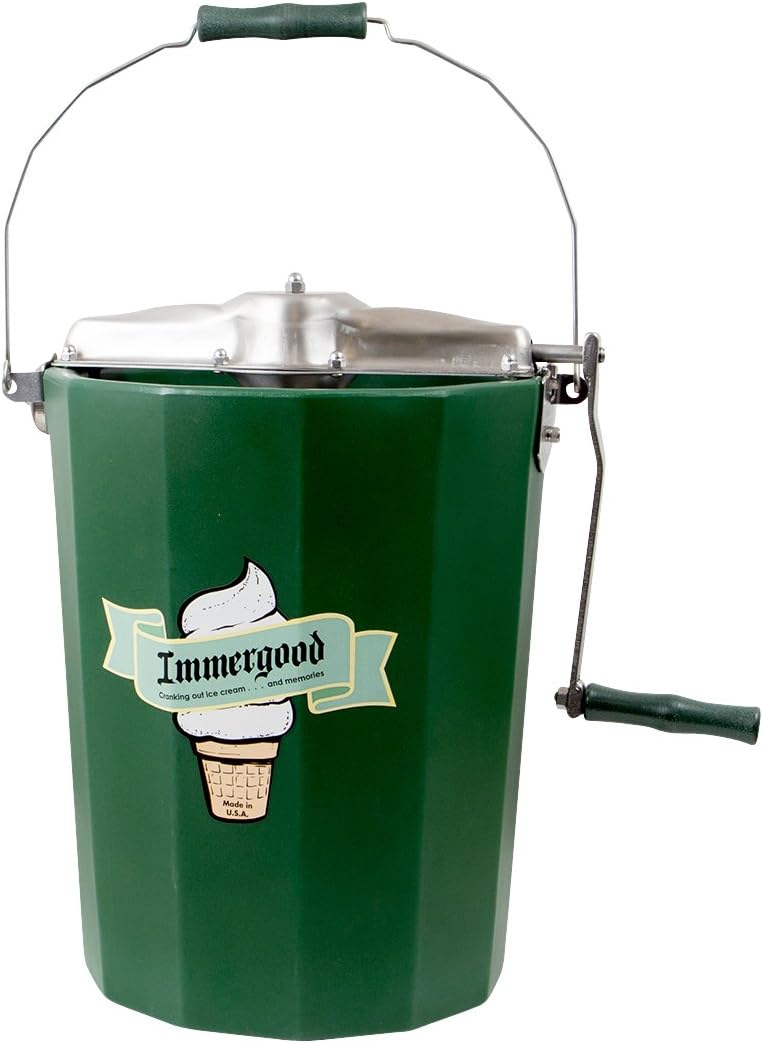
Modern options range from traditional hand-crank wooden buckets to convenient electric motor-driven models featuring stainless steel or insulated poly construction. Evaluating your available space, preferred operation mode, and cleanup routine ensures you select a machine that matches your entertaining style and storage capacity.
As an Amazon Associate, StacyLaughs earns from qualifying purchases.
Buying guide
Assessing Capacity Needs
Selecting the right dessert machine starts with evaluating how many people you typically serve during gatherings, parties, or family events. Models offering generous six-quart volumes provide ample servings of ice cream, frozen yogurt, or sorbet to satisfy large crowds without running multiple consecutive batches.
While smaller options suit intimate households, high-capacity units ensure you have enough dessert ready for barbecues and celebrations. Consider your typical guest count and storage space limitations before choosing a machine size that matches your entertaining lifestyle.
Power Source and Operation
Deciding between automatic electric motors and manual hand-crank mechanisms depends heavily on where you plan to prepare your frozen treats. Electric models plug into standard electrical outlets to handle the churning process effortlessly, making them exceptionally convenient for backyard patios, indoor kitchens, and hosted parties where power sources are readily available and uninterrupted operation is preferred.
Conversely, hand-cranked machines offer complete portability for backwoods picnics, camping trips, tailgate parties, and remote locations lacking electrical grid access. Carefully assess your access to power sources, available setup locations, and your personal willingness to invest physical effort during the freezing cycle to determine the most suitable operational style for your lifestyle.
Material Selection and Durability
Exterior and interior materials dictate both the long-term durability and daily maintenance requirements of your chosen dessert maker. Stainless steel hardware and insulated poly tubs resist rust and mechanical wear effectively, providing robust defense against moisture, temperature shifts, and corrosive rock salt exposure during frequent heavy use across multiple seasons of entertaining family and guests.
Traditional wooden buckets, including pine and rich walnut finishes, offer classic aesthetic appeal that enhances parties but require mindful drying and careful storage to prevent moisture damage and wood warping over time. Weigh the timeless visual charm of natural wood against the resilient, low-maintenance nature of modern synthetic plastics and stainless steel components before finalizing your purchase decision.
Cleanup and Maintenance
Post-dessert cleanup is an essential practical consideration when selecting a high-capacity appliance for frequent residential use during outdoor parties, neighborhood barbecues, and large family events. Canisters constructed from smooth aluminum or dishwasher-safe components greatly simplify wiping away sticky sugar residues, rock salt, and dairy remnants immediately after your dessert freezing cycle finishes successfully.
Additionally, outer tubs, clear lids, and hardware engineered to resist rust and corrosion significantly reduce the overall effort needed to maintain your machine between gatherings. Reviewing manufacturer care guidelines ensures you can keep your dessert equipment in clean, hygienic condition with minimal hassle over years of recurring service, holiday traditions, and sweet family celebrations.
Portability and Transport
If you plan to take your ice cream maker to neighborhood potlucks, outdoor camping trips, park picnics, or family reunions, portability features become paramount for your daily convenience. Models equipped with sturdy carrying handles attached securely to the outer bucket make moving filled, heavy batches significantly easier without awkward lifting maneuvers across lawns and backyard patios.
Furthermore, manual hand-crank options eliminate electrical cord restrictions entirely, allowing you to operate the freezer anywhere crushed ice and rock salt are readily accessible outdoors. Balancing overall unit weight, handle comfort, and complete power independence ensures your dessert maker travels smoothly wherever your outdoor events and seasonal celebrations take place throughout the year.
Insulation and Temperature Retention
Keeping your frozen dessert cold during and after the churning process depends heavily on the advanced insulation quality of the outer bucket or tub design. Core-insulated poly tubs help maintain consistently low internal temperatures so your delicious homemade ice cream stays frozen much longer without requiring immediate transfer to a standalone kitchen freezer.
Superior temperature retention prevents premature melting when storing finished batches or transporting them across town to outdoor summer gatherings and lively backyard parties. Evaluating how well a tub retains coldness ensures your frozen yogurt, fruit sorbet, or rich gelato remains firm, smooth, and creamy until serving time finally arrives for your eager guests.
Frequently asked questions
How much ice and rock salt do I need for a six-quart ice cream maker?
Preparing batches in a six-quart dessert maker typically requires layering crushed ice and rock salt around the central canister in specified proportions to drop temperatures low enough for freezing. You will want to follow standard proportions, layering ice and salt incrementally as you fill the outer bucket toward the top rim. Ensuring the ice level reaches near the top of the canister ensures even freezing across the entire mixture. Always monitor the melting process and drain excess water as needed while adding fresh ice to maintain the necessary freezing environment throughout the entire churning cycle until your dessert reaches consistency.
Can I use these machines to make items other than traditional ice cream?
These versatile six-quart machines are engineered to prepare a wide variety of frozen desserts beyond standard ice cream, including refreshing fruit sorbets, rich gelatos, and creamy frozen yogurts. You can experiment with different ingredient bases, mix-ins, and flavor profiles to suit any dietary preference or party theme. Whether you prefer dairy-free fruit blends or decadent chocolate custard bases, the mechanical churning action and freezing environment accommodate diverse recipes effortlessly. Simply combine your favorite ingredients in the canister, assemble the unit properly, and let the automatic motor or hand crank transform your mixture into a delicious frozen treat.
What is the proper way to clean and store my dessert maker after use?
Proper maintenance begins immediately after your dessert session by rinsing outer tubs to remove corrosive rock salt and washing internal metal or plastic components thoroughly with warm soapy water. Many aluminum canisters and lids are dishwasher safe, though you should always check specific manufacturer instructions regarding wooden buckets or hand-washed parts. Wooden buckets require complete drying before storage in a temperate environment to prevent moisture warping and cracking over time. Keeping all components clean, dry, and correctly stored protects your investment and ensures your machine remains ready for the next family gathering or summer celebration.
Are electric models better than hand-crank machines for large events?
Choosing between electric and hand-crank models for large events depends primarily on your venue and personal preference for effort versus convenience. Electric models provide automated churning that frees you up to socialize with guests or prepare other party food while the machine runs continuously. Hand-crank machines require manual physical turning throughout the freezing cycle, which can become tiring during large batches but offers unmatched independence for outdoor locations without power outlets. Evaluating your event location, guest expectations, and willingness to perform physical labor will guide you toward the ideal operation mode.
How long does it typically take to freeze a batch of ice cream?
The exact freezing time for a six-quart dessert batch depends on factors like ambient temperature, initial ingredient chilliness, and the ratio of ice to rock salt packed in the bucket. Generally, electric and manual machines take between twenty to forty minutes of continuous churning before the mixture solidifies into a rich, creamy consistency. Ensuring your liquid ingredients are pre-chilled in a refrigerator before adding them to the canister can significantly speed up the freezing process. Monitoring the motor resistance or hand-crank tension will let you know when the dessert has finished churning and is ready for packing or serving.