Appliances · Buying Guide
Best 6 Quart Slow Cooker for Family Meals
Preparing large meals for family gatherings, holiday parties, or weekly food preparation requires reliable kitchen appliances designed to handle substantial food volumes with minimal daily effort. A dependable 6 quart slow cooker provides ample interior cooking space to roast whole chickens, prepare massive batches of chili, or cook hearty stews for large households and gatherings.
Different models offer distinct control interfaces, ranging from simple manual knobs to advanced programmable digital timers and precise touch settings. Understanding how these structural features, power ratings, and heat options align with your daily routine helps you select a dependable countertop appliance that matches your exact cooking habits and meal schedules.
As an Amazon Associate, StacyLaughs earns from qualifying purchases.
Buying guide
Capacity and Family Sizing
Selecting the correct capacity ensures your appliance handles everyday meals without overcrowding ingredients or spilling over the rim. A 6-quart model provides sufficient interior volume to feed seven or more people comfortably. It easily accommodates large cuts of meat, such as a whole six-pound chicken or a four-pound roast, making it ideal for larger households.
Matching the physical capacity to your typical cooking volume prevents food waste and ensures proper heat distribution during long cooking cycles. Smaller households might find a six-quart size oversized for daily side dishes, whereas families or meal-preppers benefit immensely from the extra room. Evaluate your standard recipes before choosing a specific unit.
Control Interfaces and Programming
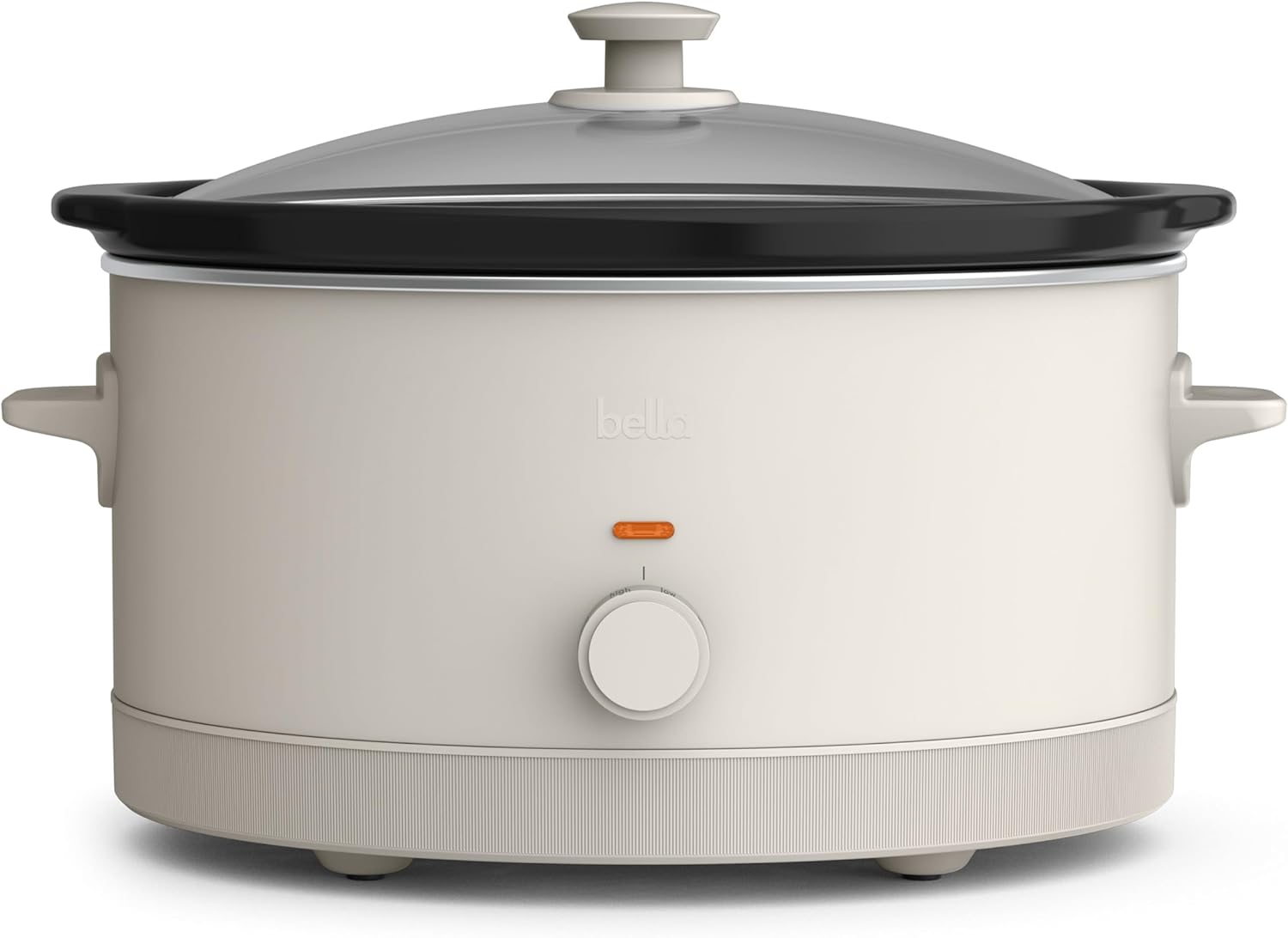
Control panels dictate how you interact with your appliance throughout the cooking process. Basic manual knobs allow you to switch between low, medium, or high heat settings instantly without navigating digital menus. These straightforward controls appeal to cooks who prefer simplicity and immediate tactical feedback when starting a recipe.
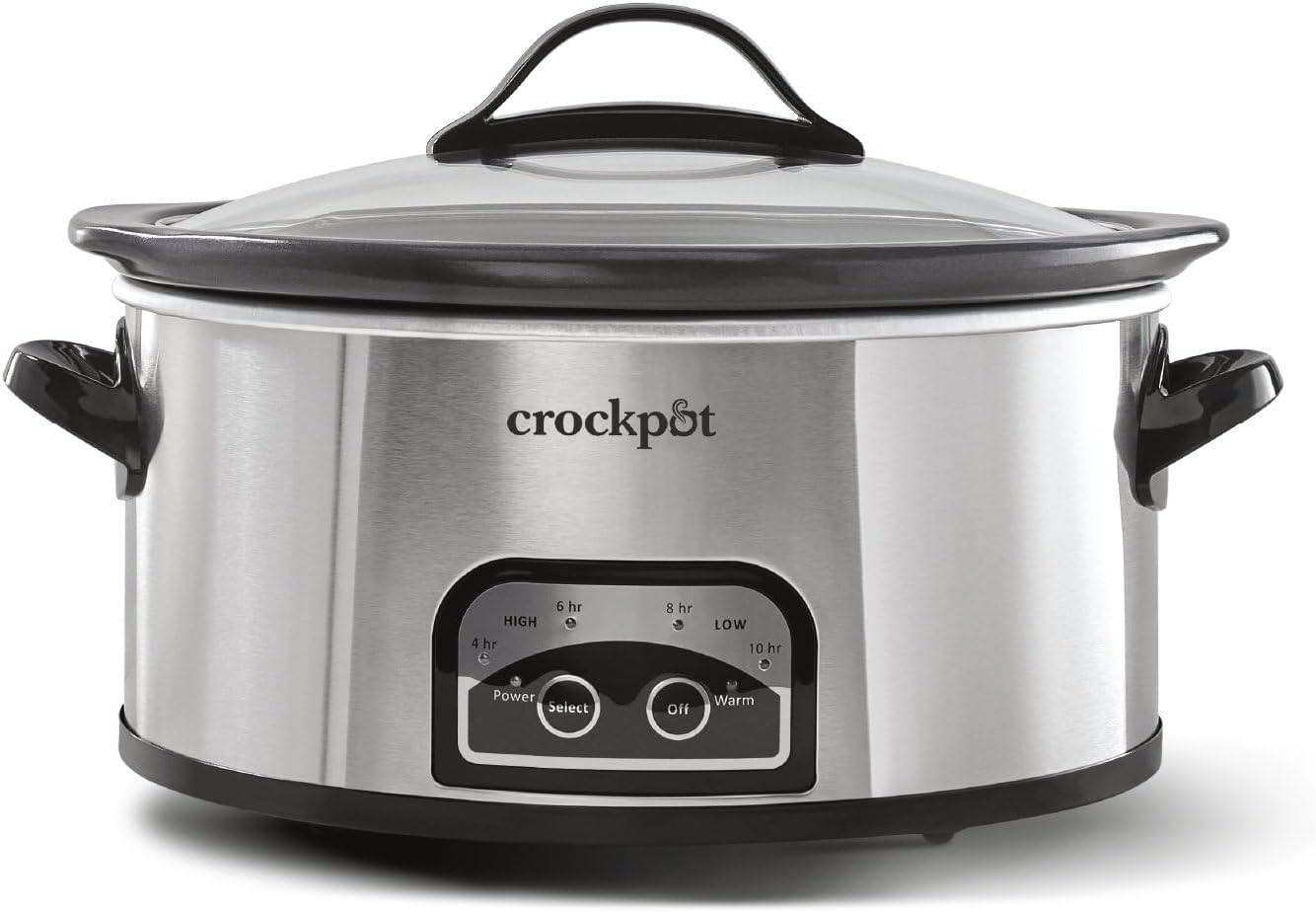
Programmable digital timers and touch panels offer advanced scheduling flexibility, letting you set exact cooking durations ranging from thirty minutes up to twenty hours. Some digital models automatically shift to a warm mode when cooking concludes. Consider whether you prefer hands-on manual adjustments or automated timing features for your schedule.
Interior Coatings and Material Selection
The material used for the inner cooking pot influences heat retention, weight, and cleaning effort. Traditional stoneware crocks offer durable performance and heavy construction, while modern ceramic nonstick coatings provide effortless food release without harsh scrubbing. Many ceramic options are manufactured without harmful chemicals like PFAS, PFOA, lead, or cadmium.
Reviewing pot materials helps you determine whether hand washing or dishwasher cycles fit your cleaning preferences. Nonstick surfaces generally require less physical effort to wipe clean compared to porous stoneware. Selecting the right interior finish ensures longevity and maintains food safety standards across years of regular meal preparation.
Portability and Transport Features
Transporting cooked meals to potlucks, family gatherings, or community events requires specific safety features to prevent spills and burns. Models equipped with secure locking lids and rubber gaskets create a tight seal, keeping liquid contents contained during transit. Full-grip handles also provide stable leverage when lifting heavy appliances.
If you rarely travel with your appliance, standard handles and resting lids are entirely sufficient for kitchen-bound cooking. However, frequent travelers should prioritize locking mechanisms and sturdy side grips to avoid messy accidents in vehicles. Matching transport features to your lifestyle prevents frustration during busy holiday seasons.
Wattage and Energy Consumption
Electrical wattage ratings determine how much power the appliance draws from your kitchen circuits during operation. Most standard slow cookers operate efficiently between 240 and 265 watts, consuming minimal electricity over long cooking durations. This energy efficiency makes them suitable for all-day simmering without inflating monthly utility bills.
Higher-wattage models, such as those reaching 1500 watts, provide rapid heating capabilities but demand greater electrical capacity from your wall outlets. Always check your kitchen circuit limitations if you plan to operate high-wattage appliances alongside other heavy countertop devices. Balancing power output with energy efficiency ensures safe cooking operations.
Lid Design and Monitoring Convenience
Monitoring food progress without lifting the lid is essential for maintaining consistent internal cooking temperatures. Durable, shatter-resistant glass lids allow you to check on chilis, soups, or roasts visually without releasing accumulated heat. This design feature preserves cooking efficiency and reduces overall preparation times.
Dishwasher-safe glass lids also simplify the post-cooking cleanup phase, letting you place both the lid and inner pot directly into the dishwasher. Evaluating how easily a lid cleans and whether it provides clear visibility enhances your overall cooking experience. Simple design details often make daily meal preparation significantly more convenient.
Frequently asked questions
What size roast fits inside a 6 quart slow cooker?
A 6-quart slow cooker easily accommodates a roast weighing up to four pounds, alongside whole chickens up to six pounds. The spacious interior provides ample room for adding root vegetables like potatoes, carrots, and onions around the meat without overflowing. This capacity serves seven or more people, making it practical for family dinners and batch cooking. Always ensure the lid closes completely and rests securely on the rim before beginning the cooking cycle.
Can I put the stoneware pot directly into the oven?
Compatibility depends strictly on the manufacturer specifications for your specific model. Some select slow cooker pots are safe for use in conventional ovens up to specific temperature limits, such as 400 degrees Fahrenheit, while others are strictly restricted to the heating base. Always verify the instruction manual or product specifications before transferring any stoneware or metal pot into an oven or microwave to prevent cracking, damage, or safety hazards.
What is the difference between manual and programmable slow cookers?
Manual slow cookers feature physical knobs that allow you to select low, medium, or high temperature settings directly. They require you to turn the appliance off or switch to warm manually when cooking finishes. Programmable models utilize digital control panels and timers that let you set exact cooking durations ranging from thirty minutes up to twenty hours. Once the timer expires, programmable units often shift automatically to a warm setting, offering greater scheduling convenience.
How do I clean ceramic nonstick slow cooker pots?
Ceramic nonstick slow cooker pots feature smooth interior coatings designed for easy food release and simple cleanup. Most removable ceramic pots and glass lids are labeled as dishwasher safe, allowing for convenient automated washing. For hand washing, use warm soapy water and a soft non-abrasive sponge to protect the nonstick surface from scratching. Avoid using harsh metal scouring pads or abrasive cleaners that could compromise the coating over years of regular kitchen use.
Why do some slow cookers feature locking lids?
Locking lids equipped with rubber gaskets are engineered specifically to provide a secure seal for worry-free travel. When transporting prepared chilis, stews, or side dishes to family gatherings, potlucks, or community events, the locking mechanism and gasket prevent messy spills inside your vehicle. If you primarily cook at home and rarely transport food, a standard resting lid is fully sufficient for daily kitchen meal preparation without requiring locking latches.