Appliances · Buying Guide
Best 60 Cup Rice Cooker Options for Commercial Kitchens
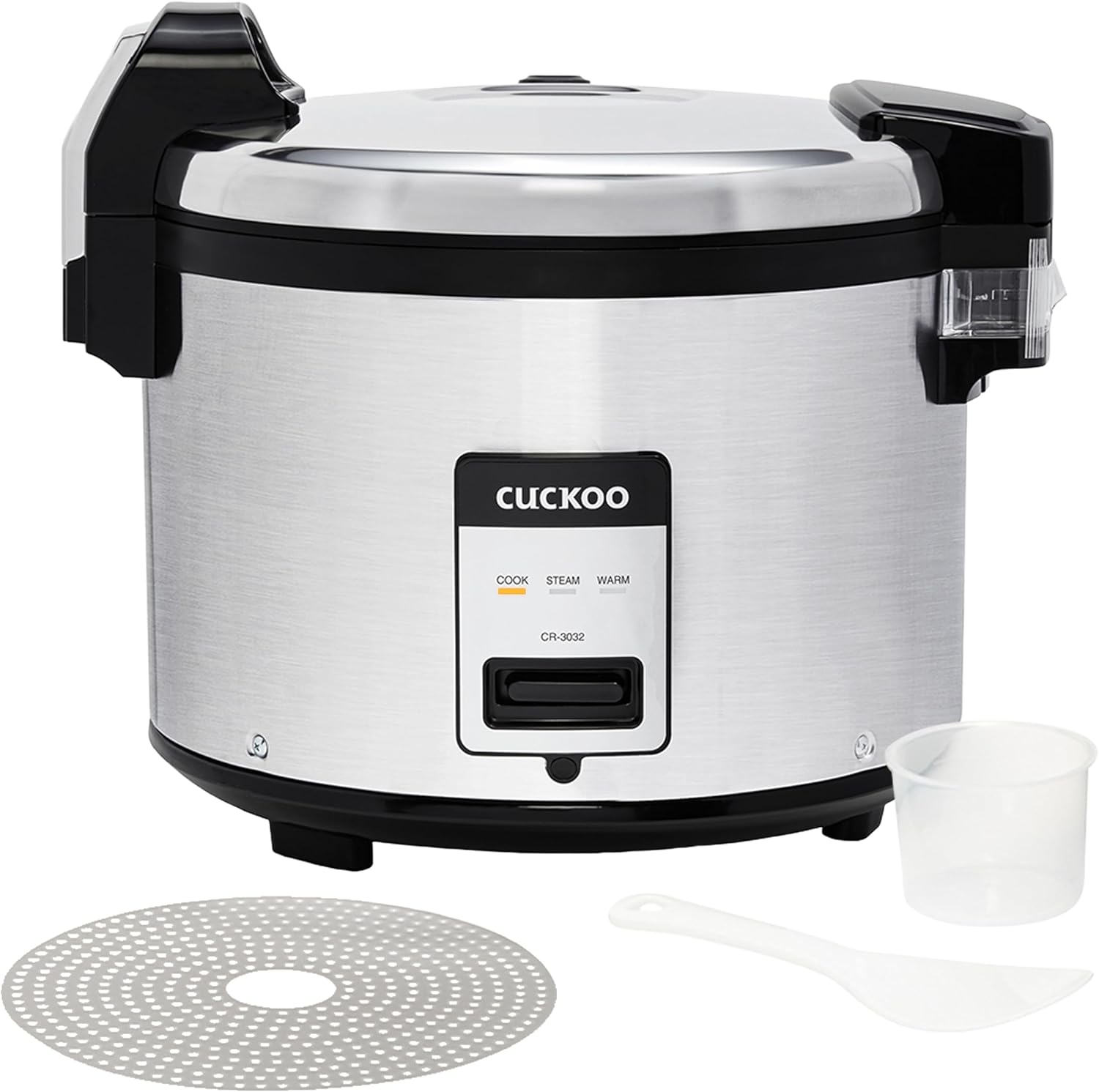
Equipping a commercial kitchen or large dining hall requires reliable heavy-duty equipment capable of handling massive grain volumes without constant monitoring. A 60 cup rice cooker provides the immense capacity needed for restaurants, catering services, and large gatherings, turning thirty cups of uncooked grain into sixty cups of fluffy, restaurant-quality results in a single automated cooking cycle.
Selecting the right high-capacity appliance means evaluating power consumption, build materials, and automated warming features designed for continuous daily service. Modern large-scale cookers integrate durable stainless steel bodies, nonstick removable inner pots, and intuitive one-touch operation to streamline busy food preparation workflows safely and efficiently while maintaining consistent texture.
As an Amazon Associate, StacyLaughs earns from qualifying purchases.
Buying guide
Assessing Cooking Capacity and Output Needs
When selecting a large-scale rice cooker for commercial environments, matching raw grain input to your daily serving volume is essential. Most standard commercial units specify a thirty-cup uncooked capacity that doubles into sixty cups of prepared rice per cycle. Restaurants, catering halls, and institutional cafeterias must calculate peak meal attendance to ensure batches meet demand without leaving diners waiting or creating excessive food waste from overproduction.
Evaluating whether a twenty-eight-cup or thirty-cup raw input fits your menu requirements helps prevent operational bottlenecks. High-capacity cookers perform best when running consistent batch sizes that align with dining rushes. Reviewing your kitchen output goals ensures you select a machine capable of sustaining continuous service during high-traffic hours without straining equipment capabilities or slowing down food preparation workflows.
Power Requirements and Electrical Compatibility
Heavy-duty commercial rice cookers typically draw significant electrical wattage ranging from 1350 to 1600 watts to power their rapid heating bases. Before purchasing, verify that your kitchen electrical circuits can support these heavy power demands safely. Running multiple high-wattage appliances simultaneously on shared circuits can cause tripped breakers and disrupt busy kitchen operations during peak service hours.
Dedicated kitchen outlets prevent electrical overloads and ensure consistent heating performance across every cooking cycle. Commercial cookers rely on stable power delivery to maintain accurate cooking temperatures and automatic keep-warm functions without failure. Checking voltage and circuit specifications beforehand protects your facility's electrical infrastructure and guarantees uninterrupted grain preparation throughout demanding daily operating shifts.
Material Durability and Construction Quality
Daily commercial use demands rugged exterior and interior construction to withstand harsh kitchen environments. Stainless steel bodies and powder-coated steel frames resist physical impacts and corrosion much better than standard consumer-grade plastics. Look for heavy-duty lids and secure locking latches that retain heat efficiently while enduring constant opening and closing during fast-paced restaurant service operations.
Interior pot materials directly influence cooking consistency and long-term equipment longevity. High-quality aluminum inner layers combined with durable nonstick coatings prevent grains from sticking or burning and make food release effortless. Selecting models built with robust structural materials ensures the appliance withstands the rigors of professional kitchens, reducing the frequency of equipment replacement and maintenance downtime.
Cleaning and Maintenance Convenience
Maintaining strict kitchen hygiene standards requires evaluating how easily a rice cooker can be cleaned after heavy service. Removable nonstick inner pots simplify food residue removal, while detachable inner lids and water collection cups streamline daily sanitation routines. Reviewing manufacturer care instructions helps determine whether components require manual hand washing or permit convenient dishwasher-safe cleaning.
Establishing efficient closing routines depends on accessible maintenance features. Models offering dishwasher-safe removable parts reduce labor hours for kitchen staff at the end of a long shift. Conversely, units requiring strict hand washing demand careful manual scrubbing to preserve nonstick coatings safely. Choosing appliances with practical cleaning features ensures your kitchen maintains high sanitary standards with minimal operational friction.
Automated Features and Keep-Warm Reliability
Consistency is paramount in commercial food service, making automated cooking and warming functions vital features. One-touch operation simplifies grain preparation, allowing busy kitchen staff to focus on other tasks once the cooking cycle starts. Advanced internal sensors automatically transition the cooker into keep-warm mode as soon as the grain finishes absorbing water, preventing scorched batches and waste.
Reliable keep-warm performance ensures that rice remains fluffy and serving-ready for hours during extended buffet or banquet operations. Look for systems that maintain optimal serving temperatures without overcooking or drying out the bottom layers of grain. Clear LED indicator panels provide instant visual confirmation of operational status, helping staff monitor food readiness across busy service hours without guesswork.
Safety Certifications and Build Compliance
Commercial kitchens must adhere to strict regulatory standards regarding food preparation equipment safety and sanitation. Selecting rice cookers holding official certifications such as cETL, NSF, or ETL sanitization provides documented assurance that the appliance meets rigorous industry benchmarks. These regulatory approvals confirm that electrical systems and food-contact surfaces are engineered specifically for safe, continuous commercial operation.
Built-in safety protections like thermal fuses and sturdy anti-slip feet further enhance operational security in fast-paced environments. Thermal cutoffs prevent overheating during power fluctuations or dry scenarios, protecting both the kitchen staff and the appliance investment. Prioritizing certified and protected commercial cookers ensures compliance with local health codes while maintaining a secure workspace for all kitchen personnel throughout every shift.
Frequently asked questions
How many cups of cooked rice does a 60-cup commercial cooker actually yield?
A 60-cup commercial rice cooker typically refers to its cooked capacity, which is generated from an uncooked grain input of 30 cups. Because rice doubles in volume as it absorbs water during the cooking process, starting with thirty cups of raw grain results in sixty cups of fluffy, prepared rice per batch. This massive output is specifically engineered to meet the high-volume demands of restaurants, banquet halls, catering services, and large institutional cafeterias without requiring constant reloading.
Can I use a commercial 60-cup rice cooker for grains other than white rice?
Yes, commercial rice and grain cookers are versatile enough to prepare a variety of grains beyond traditional white rice. Depending on your menu needs, you can use these large-capacity appliances to cook brown rice, mixed grains, or other staple side dishes used in food service operations. However, operators should follow specific water-to-grain ratios and monitor cooking cycles carefully, as different grain types require varying absorption times and moisture levels to achieve optimal texture.
What electrical requirements should I check before installing a large commercial rice cooker?
Before installing a high-capacity commercial rice cooker, you must verify your kitchen's electrical circuit capacity and voltage compatibility. These heavy-duty appliances typically draw between 1350 and 1600 watts of power to heat large volumes of grain rapidly. Running such high-wattage equipment on shared circuits can easily trip breakers and disrupt kitchen workflows. Ensuring your cooker has a dedicated electrical outlet prevents power overloads and maintains consistent heating performance throughout busy service shifts.
How do automatic keep-warm functions operate on these large cookers?
The automatic keep-warm function on commercial rice cookers activates immediately after the cooking cycle finishes. Internal sensors detect when the water has been fully absorbed by the grains, signaling the heating element to lower its output to a safe, controlled holding temperature. This automated transition prevents rice from burning or overcooking at the bottom of the pot. It keeps large batches fluffy, warm, and ready to serve for hours during extended buffet or banquet service.
What maintenance is required to keep a commercial nonstick rice pot in good condition?
Maintaining a commercial nonstick rice pot requires following manufacturer cleaning instructions carefully. Most models require manual hand washing with mild soap and soft sponges to protect the delicate nonstick coating from scratching or degradation. Avoid using abrasive scouring pads or metal utensils that can strip the surface. Additionally, cleaning removable inner lids, silicone pads, and water collection cups regularly ensures optimal hygiene and extends the overall lifespan of your commercial cooking equipment.