Appliances · Buying Guide
Best 7 Quart Pressure Cooker Options for Fast Family Meals
Choosing the right pressure cooker transforms how you handle weeknight dinners, hearty soups, and large batch cooking tasks across busy households. Whether you prefer the classic reliability of a stovetop aluminum model or the modern convenience of multi-functional electric appliances, matching capacity to your household needs makes a real difference in daily meal preparation and overall cooking efficiency.
Different vessel materials and pressure management systems influence how quickly meals come together and how much upkeep is required afterward. By looking closely at specific vessel capacities, secure locking mechanisms, and built-in safety controls, you can find a suitable cooker that fits your kitchen routine without unnecessary guesswork or complicated operational steps during daily cooking sessions.
As an Amazon Associate, StacyLaughs earns from qualifying purchases.
Buying guide
Material Composition and Durability
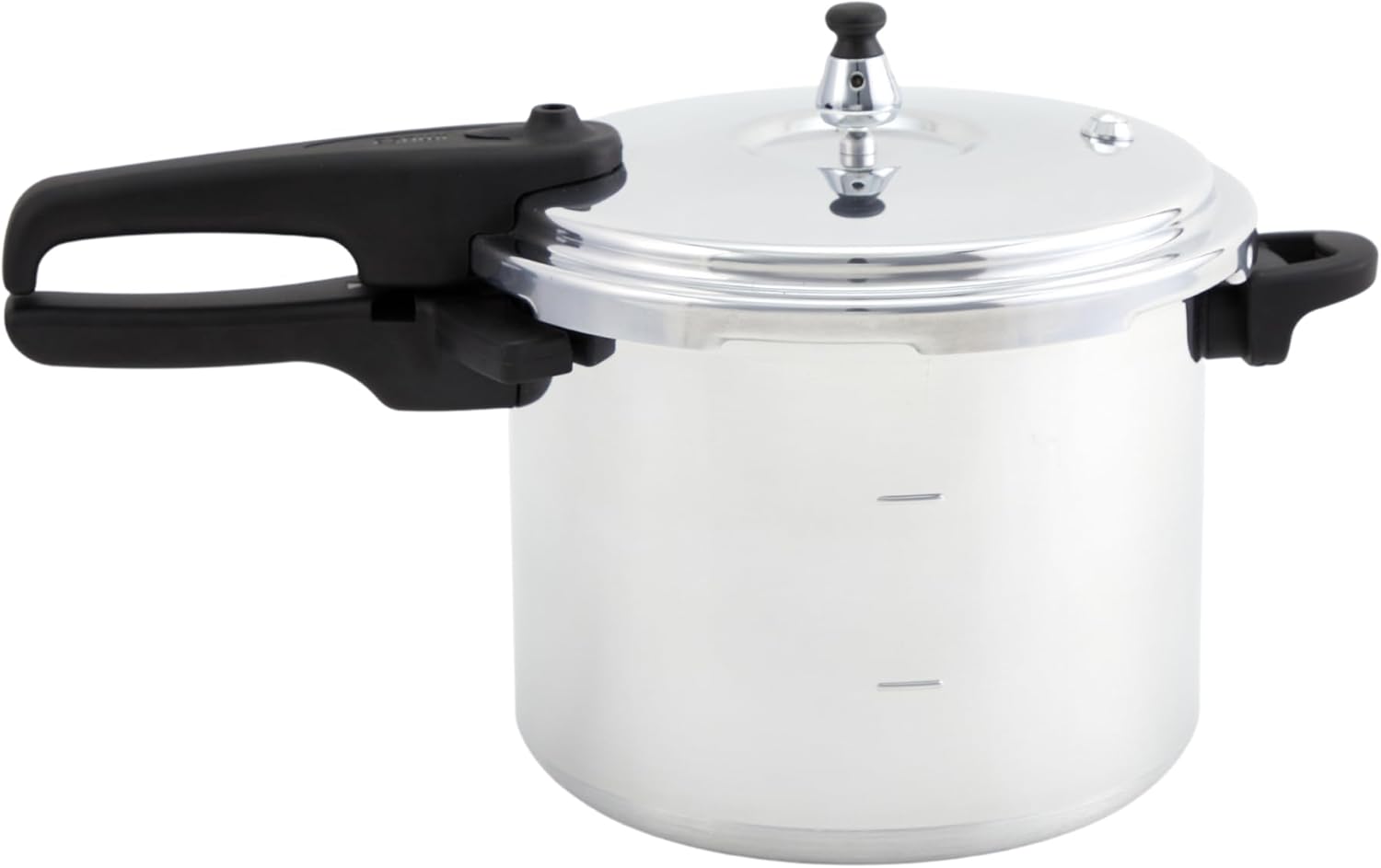
Selecting the right material for your pressure cooker affects heat distribution, longevity, and food compatibility. Aluminum models offer lightweight handling and rapid thermal conductivity across the cooking base, making them efficient for everyday meals. However, pure aluminum surfaces require careful attention when preparing acidic or salty recipes to avoid unwanted reactions.
Stainless steel vessels provide a robust alternative that resists corrosion and handles high pressure without reacting to ingredients. While stainless steel is generally heavier than aluminum, it delivers long-term durability and preserves natural food flavors effectively. Evaluating how often you cook acidic dishes helps determine whether aluminum or stainless steel suits your kitchen habits best.
Capacity and Household Size
Matching the internal capacity of a pressure cooker to your household size ensures you can prepare enough food without overcrowding the vessel. Smaller six quart units work well for everyday meals, side dishes, and smaller families. When cooking for larger crowds or tackling batch meal preparation, stepping up to a seven or eight quart model provides the extra room needed.
Larger capacities also accommodate bulky ingredients like whole chickens or home canning jars more comfortably. Keep in mind that vessel volume influences overall physical dimensions and storage requirements in kitchen cabinets. Assessing your typical portion sizes prevents buying a cooker that feels too restrictive or unnecessarily bulky for daily counter space.
Stovetop Versus Electric Operation
Choosing between stovetop and electric pressure cookers depends on how you prefer to manage your cooking process. Stovetop models rely on external burner heat and often reach higher pressures, making them fast and durable for traditional kitchens. They give you direct control over heat levels and generally offer simple mechanical designs with fewer electronic parts to fail.
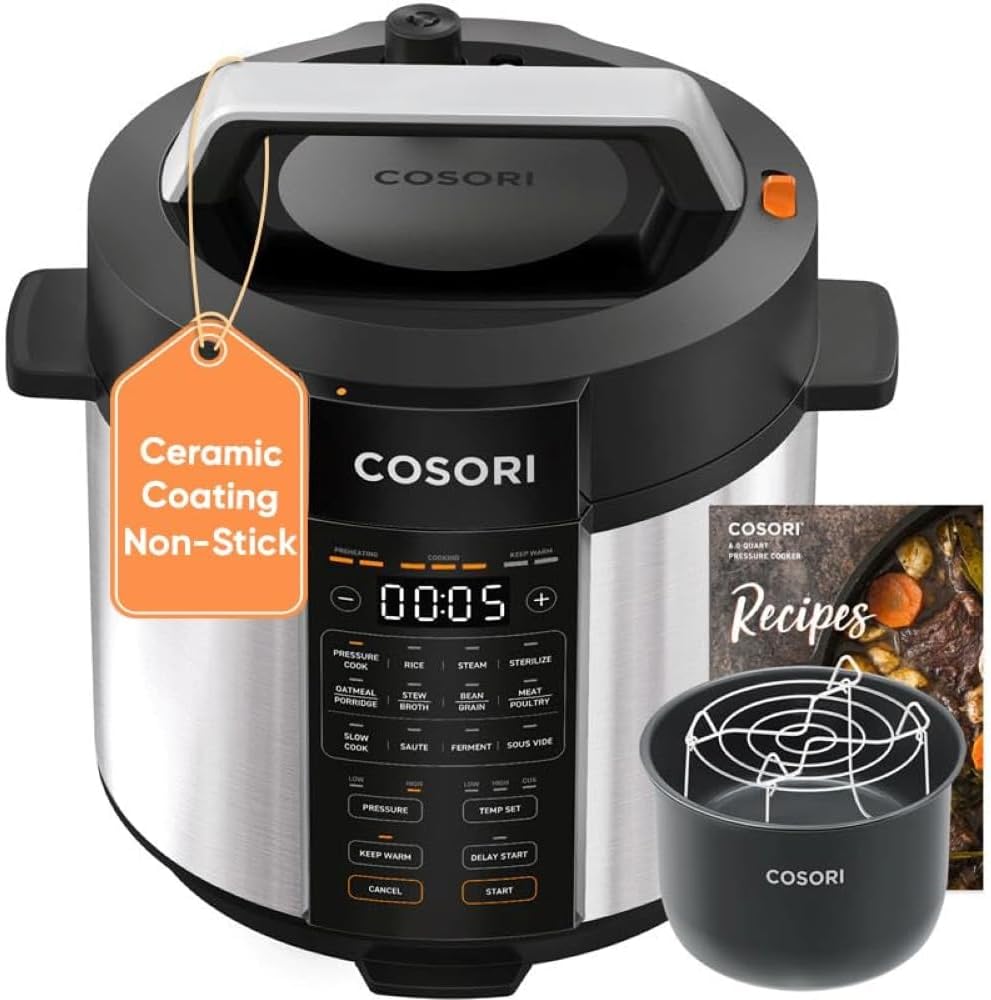
Electric pressure cookers bring automated presets, built-in heating elements, and programmable smart functions that handle cooking times automatically. These countertop units relieve you from monitoring burner temperatures, offering added convenience for multi-step recipes and slow cooking tasks. Consider whether you prefer manual burner control or automated digital interfaces before making a final purchase decision for your kitchen setup.
Safety Mechanisms and Valve Design
Pressure cookers rely on robust safety systems to manage internal steam and prevent accidents during high-pressure operation. Look for models featuring automatic pressure regulators, backup safety valves, and multiple outlets to keep cooking secure. Gravity valves and weighted vents help maintain steady pressure levels while allowing excess steam to escape safely when required by your recipe instructions.
Modern electric units often add digital sensors, double-layer anti-scalding lids, and automated venting switches to simplify steam release tasks. Understanding how each valve operates ensures you can manage pressure safely during everyday meal preparation sessions. Reviewing the included safety infrastructure gives you confidence while cooking under high pressure conditions at home.
Lid Locking and Opening Systems
The lid locking mechanism plays a vital role in preventing accidental opening while the vessel remains pressurized during use. Traditional twist-lock designs require manual alignment and rotation to secure the rim tightly against the pot base during heating. These mechanical closures rely on internal steam pressure to keep the lid safely sealed until cooking concludes completely.
Alternative systems feature rotatable handles, gear structures, or auto-sealing pins designed for smooth one-handed operation. Such mechanisms make opening and closing the cooker more convenient without sacrificing seal integrity or safety. Examining how the lid secures helps you choose a design that matches your comfort level and physical dexterity in the kitchen routine.
Maintenance and Cleaning Needs
Keeping your pressure cooker clean ensures long-lasting performance and reliable sealing over years of regular kitchen use. Removable sealing rings, stainless steel steam racks, and dishwasher-safe components greatly simplify cleanup after preparing sticky or savory meals. Inspecting sealing gaskets regularly for wear prevents steam leaks and maintains proper pressure build-up during daily cooking tasks.
Stovetop aluminum and stainless steel pots require careful hand washing or specific cleaning methods depending on their exterior finishes and material properties. Avoiding harsh abrasive pads preserves mirror-polished or coated interior surfaces against unsightly scratching. Following manufacturer maintenance guidelines keeps your cooker functioning smoothly, ensuring safe and efficient meal preparation for your entire household every single day.
Frequently asked questions
What is the main advantage of using a seven quart pressure cooker?
A seven quart pressure cooker provides an ideal middle ground for home cooks who need extra room for family meals, large soups, and batch cooking without handling an oversized commercial pot. This capacity easily accommodates generous portions of meats, beans, and vegetables while fitting comfortably on standard stovetops or kitchen countertops. It reduces cooking times significantly compared to conventional methods by utilizing pressurized steam, helping you prepare hearty dinners efficiently while locking in essential moisture and natural flavors for delicious everyday results.
Can I cook acidic or salty foods in an aluminum pressure cooker?
Stovetop aluminum pressure cookers are generally not suitable for contact with very acidic or very salty foods, as these ingredients can react with the metal surface over time. If your favorite recipes involve heavy amounts of tomatoes, citrus juices, or salt, a stainless steel pressure cooker serves as a better alternative because its non-reactive body preserves food flavor and vessel durability. Always review manufacturer care instructions regarding food compatibility to keep your cooking vessel in top condition.
How do safety valves and pressure regulators work on stovetop cookers?
Stovetop pressure cookers rely on automatic pressure regulators and backup safety valves to manage internal steam levels during cooking. The regulator helps maintain a steady operating pressure by venting excess steam, while safety valves provide crucial overpressure protection if the primary vent becomes blocked. Following proper operating instructions ensures these mechanisms function correctly, allowing you to release steam and open the lid securely after your meal finishes cooking on the burner.
What is the difference between stovetop and electric pressure cookers?
Stovetop pressure cookers require an external burner heat source and often support higher working pressures, delivering fast cooking times and durable mechanical construction. In contrast, electric pressure cookers operate as independent countertop appliances featuring built-in heating elements, digital touch controls, and programmable smart functions that automate cooking times. While stovetops offer direct burner control and simple designs, electric units provide convenience through multi-function presets, automated venting switches, and consistent temperature regulation without manual monitoring.
How do I clean and maintain my pressure cooker properly?
Maintaining your pressure cooker involves regular cleaning of the inner pot, lid, and sealing gaskets according to the manufacturer guidelines. Many electric models feature dishwasher-safe inner pots and lids, whereas stovetop vessels often benefit from careful hand washing to protect their exterior finishes. Inspecting sealing rings for signs of aging or wear is essential for preventing steam leaks, and keeping spare rings on hand ensures your cooker maintains a proper seal during every use.