Appliances · Buying Guide
Best Air Fryer Pizza Pan Options for Crispy Homemade Pies
Choosing the right pan for your compact oven or countertop cooker transforms how you bake flatbreads and pies at home. Finding a tray that fits your heating chamber ensures proper heat circulation and evenly cooked crusts every single time. Modern kitchen setups require reliable bakeware that handles high temperatures without warping or sticking during routine baking.
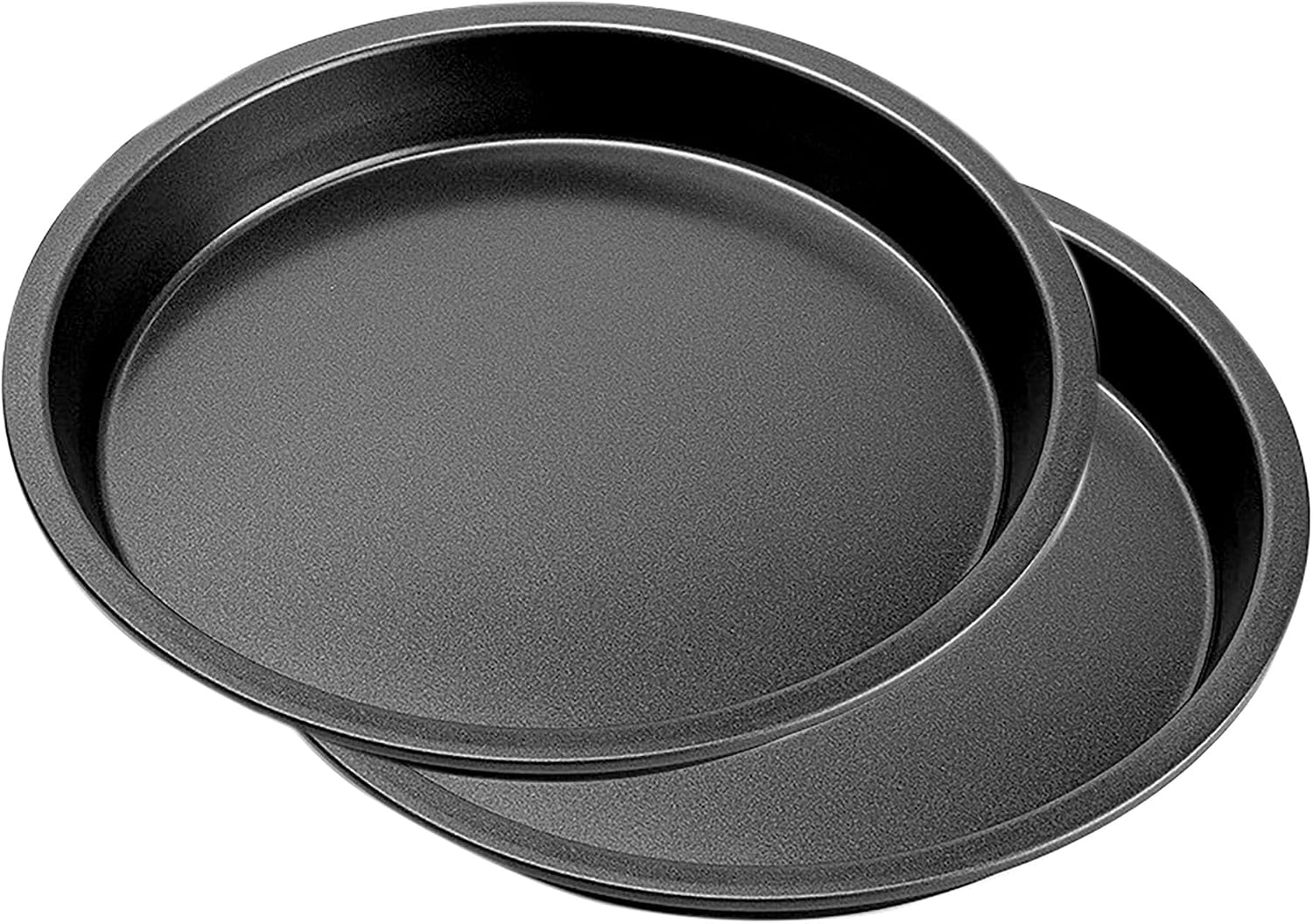
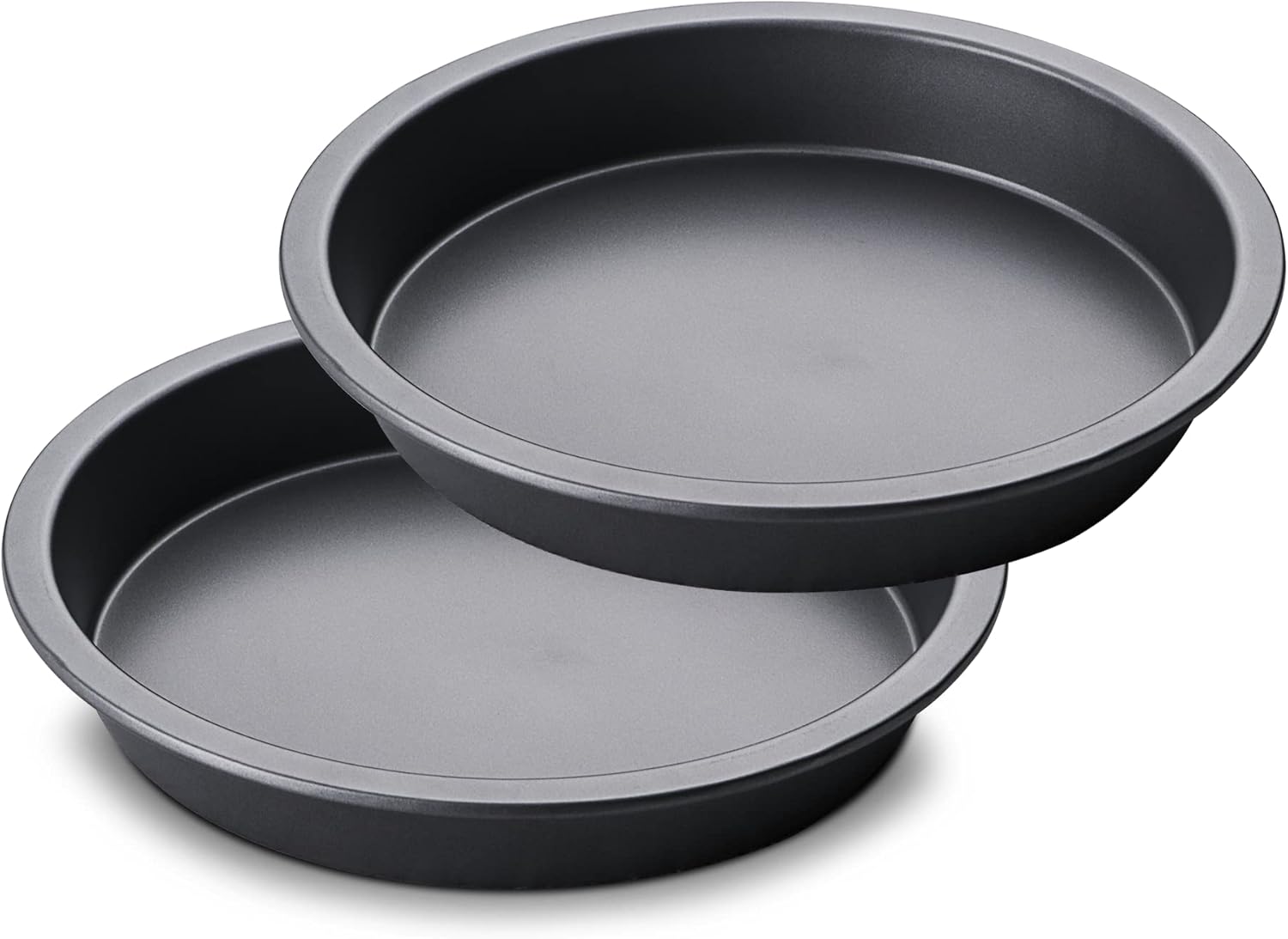
Whether you need a tiny single-serving skillet or a multi-pack of carbon steel trays, matching exact dimensions to your heating appliance is essential for success. This overview highlights distinct round bakeware selections designed to handle high temperatures and simplify cleanup after meals. Each option brings specific material traits and sizing options to your daily cooking routine.
As an Amazon Associate, StacyLaughs earns from qualifying purchases.
Buying guide
Material Composition and Durability
Selecting the right metal composition impacts how long your bakeware survives high cooking temperatures. Carbon steel and heavy-gauge iron provide exceptional strength, resisting warping and bending during frequent use. These robust materials conduct heat evenly, ensuring your dough bakes uniformly without developing hot spots. Choosing a sturdy build protects your investment against everyday kitchen wear and tear.
While lightweight aluminum options exist, thicker iron or carbon steel models offer superior stability inside hot appliances. Always check the gauge thickness and coating quality to ensure longevity. A resilient material withstands thermal shock when moving from cold counters to hot heating elements, keeping your bakeware reliable for years of routine meal preparation.
Sizing and Appliance Compatibility
Measuring your cooking chamber before purchasing bakeware prevents frustrating fit issues. Compact countertop ovens require smaller pans like six or seven-inch skillets, whereas larger wall ovens accommodate standard twelve-inch trays easily. Matching dimensions ensures proper airflow around the edges of the pan, which is crucial for even heat distribution and consistent cooking results every single time.
Ignoring interior spatial limits can leave your tray wedged against heating elements or unable to rotate freely inside the chamber. Always verify both diameter and depth specifications against your specific appliance cavity dimensions. Taking these quick measurements beforehand guarantees smooth loading and unloading during busy meal preparation sessions at home.
Surface Coatings and Food Release
Nonstick coatings play a vital role in keeping delicate dough shapes intact during removal from the baking surface. Quality surface treatments prevent melted cheese and crusts from bonding to the metal, making serving effortless. Without a reliable coating, baked goods often tear or stick, ruining the presentation of your homemade pies, cookies, and pastries.
Look for protective finishes that resist everyday scratches and stains while remaining free of unwanted chemical additives. Proper surface care ensures the nonstick layer continues functioning smoothly over extended periods of cooking. Selecting a well-coated pan transforms cleanup routines, allowing you to wipe away residues quickly instead of scrubbing stubborn baked-on debris.
Perforation and Crust Crispness
Ventilation holes engineered into the bottom of a tray significantly improve hot air circulation directly beneath your dough. These density holes allow heat to flow against the crust, driving out excess moisture for a wonderfully crisp finish. Baking flatbreads on a perforated surface prevents soggy centers, delivering professional-style textures right in your home kitchen.
Solid pans trap steam underneath the dough, which can sometimes lead to softer crusts depending on your specific recipe style. Choosing between perforated and solid designs depends entirely on your preferred food textures. Fans of extra crunch benefit immensely from airflow designs, while solid pans remain versatile for baking cakes and roasting vegetables.
Edge Design and Handling Safety
Rolled rims and built-in handles provide crucial physical support when moving hot bakeware out of the appliance chamber. A secure grip prevents accidental slips, protecting your hands and keeping heavy meals stable during transport. Thickened edges also add structural rigidity, stopping the metal from twisting under high thermal stress conditions.
When handling scorching cookware, ergonomic grips make a noticeable difference in overall kitchen safety and ease of use. Selecting pans with well-designed borders ensures you can maneuver loaded trays confidently, even while wearing bulky protective oven mitts. Pay close attention to how rims are finished to avoid sharp corners and ensure a comfortable daily hold.
Maintenance and Cleaning Convenience
Proper maintenance routines extend the lifespan of your carbon steel and iron kitchen pans significantly over time. Following strict manufacturer care guidelines, such as hand washing with mild soap or utilizing safe dishwasher cycles, protects exterior coatings. Avoiding abrasive scrubbing pads preserves the nonstick finish and prevents premature scratching over years of reliable kitchen service.
Cleanup convenience often dictates how frequently you will choose to use a particular piece of bakeware at home. Smooth surfaces without hidden crevices make wiping away stubborn grease and food residue much faster after dinner is finished. Selecting a pan that matches your preferred cleaning style ensures effortless upkeep for daily meal preparation routines.
Frequently asked questions
Can I put a carbon steel pizza pan in the dishwasher?
Cleaning instructions depend entirely on the specific manufacturer guidelines provided for your particular model. Some carbon steel and steel pans feature dishwasher-safe construction for ultimate cleaning convenience, while others explicitly recommend gentle hand washing with warm soapy water to protect the exterior nonstick coating. Always check the product specifications before running any automated cycle to prevent accidental damage, surface scratching, or premature wear on your bakeware during routine kitchen cleanup sessions after cooking.
Why do some pizza pans have holes on the bottom?
Perforated pizza pans feature density holes designed to improve hot air circulation directly beneath your baking dough. This increased airflow allows moisture to escape rapidly as the pastry cooks, helping you achieve wonderfully crispy crust edges and a soft center. Solid pans trap steam against the bottom of the dough, which can lead to a softer texture. Choosing a perforated tray is ideal if you prefer maximum crunch on your homemade flatbreads and pizzas.
What size pizza pan fits inside a compact countertop oven?
Compact countertop ovens typically require smaller pans ranging from six to eight inches in diameter. Skillets measuring around 6.5 or 7 inches fit easily inside tighter heating chambers while leaving enough clearance around the edges for proper heat circulation. Measuring your specific interior dimensions before purchasing is essential to avoid buying a tray that is too large to fit or rotate freely. Taking precise measurements prevents frustrating compatibility issues during meal preparation.
How do I prevent pizza dough from sticking to the pan?
Most modern pizza pans feature a specialized nonstick coating designed to help baked goods release smoothly without tearing. To maintain this nonstick property, you should avoid using sharp metal utensils that can scratch or gouge the surface during serving. Cleaning the pan with soft sponges and mild detergents also protects the coating over time. Applying a light dusting of cornmeal or flour can provide an extra layer of release for sticky dough recipes.
Are carbon steel pizza pans safe for high-temperature baking?
High-quality carbon steel and heavy-gauge iron pans are engineered to withstand high cooking temperatures without warping or degrading. Many models feature specific upper temperature ratings reaching up to 450 degrees Fahrenheit or higher, making them suitable for baking flatbreads and roasting meats. Checking the manufacturer specifications ensures your chosen pan can safely handle the heat levels required by your specific recipes and heating appliances during daily kitchen use.