Appliances · Buying Guide
Best All-Clad Toaster 4-Slice Options For Modern Kitchens
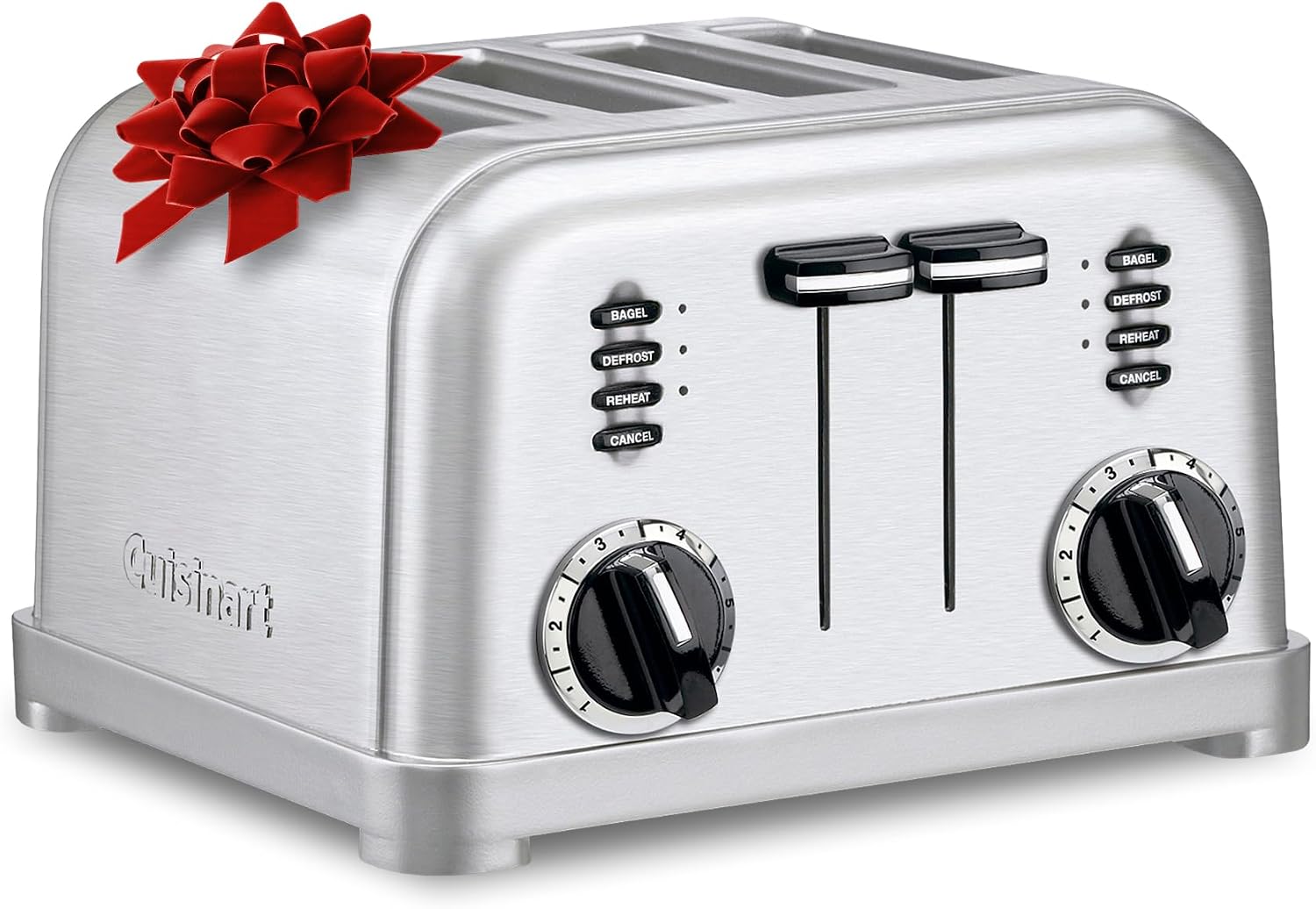
Finding the right four-slice appliance involves balancing countertop space with flexible heating options for busy family breakfasts. Modern stainless steel designs offer durable construction alongside dedicated controls for bagels, frozen waffles, and thick artisanal breads without crowding your preparation areas. These kitchen appliances bring reliable performance to daily routines, helping households manage multiple breakfast preferences at the same time.
Reviewing these countertop devices highlights key differences in slot dimensions, browning controls, and progress displays. Whether you prefer an LED countdown screen or traditional dual independent dials, understanding these features ensures a practical choice for your daily kitchen routine. Evaluating technical specifications helps match your household habits with the ideal countertop machine.
As an Amazon Associate, StacyLaughs earns from qualifying purchases.
Buying guide
Slot Dimensions and Bread Thickness
Selecting the right four-slice appliance starts with evaluating slot dimensions to accommodate your favorite breakfast foods. Standard bread slices fit easily into most slots, but thicker artisan loaves, oversized bagels, and Texas toast require extra width. Look for specifications detailing slot width and self-centering mechanisms that hold irregularly shaped items securely in place without jamming during the heating cycle.
Self-centering racks also help ensure even heat distribution across both sides of thin and thick slices alike. When evaluating options, consider whether your household frequently prepares specialty pastries or frozen waffles that demand more horizontal and vertical clearance. Ensuring proper fit prevents frustrating stuck items and promotes safer daily breakfast preparation across all four compartments.
Wattage and Electrical Considerations
Power consumption plays a critical role in how quickly and evenly your four-slice appliance heats various breads. Models operating at higher wattages, such as 1500 or 1800 watts, deliver rapid heating performance but require sufficient electrical capacity on your kitchen circuits. Assessing your kitchen outlet layout prevents tripped breakers when running multiple high-draw appliances simultaneously during busy morning routines.
Matching the power draw of your toaster with your home electrical setup ensures safe, reliable operation over years of daily use. Higher wattage ratings generally correlate with faster toasting times, which helps streamline rushed breakfast preparation for large households. Always review manufacturer specifications regarding power requirements before plugging high-draw kitchen devices into shared household branch circuits.
Browning Controls and Shade Precision
Achieving the ideal toast color depends heavily on the precision and range of the browning control settings. Many four-slice models offer five to seven adjustable shade levels managed through traditional dials or digital buttons. Multi-setting dials give users granular control over crispness, accommodating diverse family preferences from lightly golden slices to deeply browned results.
Independent dual controls enhance this versatility by letting you toast different breads at separate shade levels at the same time. This feature benefits households where family members prefer contrasting textures for bagels versus sandwich bread. Evaluating available shade settings ensures everyone enjoys their morning meal toasted precisely to personal taste without compromise.
Digital Displays Versus Analog Dials
Modern kitchen appliances offer a choice between traditional mechanical dials and advanced digital interfaces equipped with LED or LCD screens. Digital countdown timers and progress bars eliminate guessing by showing exactly how many seconds remain in the toasting cycle. This visual feedback lets cooks monitor breakfast progress from across the room without waiting for a surprise pop-up event.
Conversely, traditional analog dials and mechanical levers offer a straightforward, tactile user experience without illuminated screens or electronic complexity. Choosing between these control types depends largely on personal preference for modern technology versus simple, proven mechanics. Both styles provide reliable daily operation, provided the user interface aligns with your household cooking habits.
Crumb Management and Maintenance
Maintaining a clean countertop requires evaluating how easily a four-slice appliance manages loose crumbs and daily debris. Models featuring slide-out crumb trays simplify cleanup by collecting fallen particles in a removable bottom tray that empties quickly into the trash. Some units incorporate twin trays for dual independent compartments, requiring attention to both sides during routine maintenance tasks.
Following manufacturer cleaning guidance preserves the exterior stainless steel finish and internal heating element longevity over time. Regularly emptying crumb trays prevents burnt residue buildup, which can produce unpleasant smoke and affect toasting consistency. Prioritizing accessible maintenance features ensures your appliance stays hygienic and performs reliably through years of everyday family breakfast preparation.
Countertop Footprint and Placement
Evaluating the physical dimensions of a four-slice toaster helps ensure it integrates smoothly into your existing kitchen layout. Countertop space is often at a premium, making it essential to check depth, width, and height measurements before purchasing. Wider chassis designs accommodate spacious internal slots but require substantial horizontal clearance on work surfaces near available electrical outlets.
Cord storage channels or built-in cord wraps also assist with neat placement by reducing unsightly wire clutter on kitchen counters. Assessing your available storage or permanent countertop space prevents congestion in busy cooking areas. Choosing a compact or streamlined profile balances multi-slice capacity with practical workspace management for your daily routine.
Frequently asked questions
What causes bread to toast unevenly in a four-slice toaster?
Uneven toasting typically occurs when bread slices vary significantly in thickness, moisture content, or placement within the slots. Self-centering guides help center standard slices, but oversized or irregularly shaped artisan breads may lean against heating elements if they exceed recommended slot dimensions. Additionally, accumulating crumb debris inside the bottom chamber can disrupt airflow and heat distribution. Regularly emptying the slide-out crumb trays and ensuring proper bread sizing helps maintain consistent browning performance across all four compartments during your daily morning breakfast preparation routine.
Can I toast frozen waffles and bagels in these four-slice toasters?
Yes, many four-slice models feature specialized defrost and bagel functions designed specifically for frozen items and one-sided crisping. The defrost mode extends the heating cycle to thaw and toast frozen waffles or bread straight from the freezer without burning the outside. Meanwhile, the bagel setting applies targeted heat to crisp the cut interior while gently warming the outer crust. Utilizing these dedicated modes ensures superior results when preparing specialized breakfast items compared to standard toasting cycles.
How do I clean and maintain a stainless steel four-slice toaster?
Cleaning a stainless steel toaster involves regular crumb removal and gentle exterior wiping following manufacturer maintenance guidelines. Always unplug the appliance and let it cool completely before attempting any cleaning steps. Slide out the removable crumb trays and empty accumulated debris into the trash, wiping them clean with a damp cloth if needed. To preserve the high-gloss or brushed stainless steel finish, wipe the exterior surfaces with a soft cloth and mild cleanser, avoiding abrasive pads that can scratch the metal housing.
What is the benefit of independent dual controls on a four-slice toaster?
Independent dual controls allow you to operate each pair of slots as two separate toasters within a single appliance housing. This capability lets family members toast different items at varying browning levels simultaneously, such as defrosting waffles on one side while browning bagels on the other. It eliminates waiting for sequential batches, streamlining busy morning routines in multi-preference households. Dual control panels with separate dials or digital settings provide maximum culinary flexibility for shared kitchens and varied breakfast demands.
How much counter space do four-slice toasters typically require?
Four-slice toasters generally feature wider and deeper chassis designs compared to traditional two-slice models, with widths typically ranging from eleven to thirteen inches. This expanded footprint provides the capacity to toast four slices at once but requires dedicated horizontal surface clearance on your kitchen counters. Checking specific depth, width, and height dimensions before purchase ensures the appliance fits comfortably beneath upper cabinets or within designated prep areas. Integrated cord wrap channels also help manage excess wire length for neat placement.