Appliances · Buying Guide
Best Americana Ice Cream Maker Choices for Home Dessert Lovers
Choosing the right dessert appliance transforms how you handle sweet cravings at home. Whether you want a compact single-serving device or a large-capacity traditional machine, understanding your options matters for everyday kitchen efficiency. Different units handle preparation tasks through varied bowl designs and mechanical setups, ensuring you find a device that fits your lifestyle without unnecessary complications during cleanup or storage.
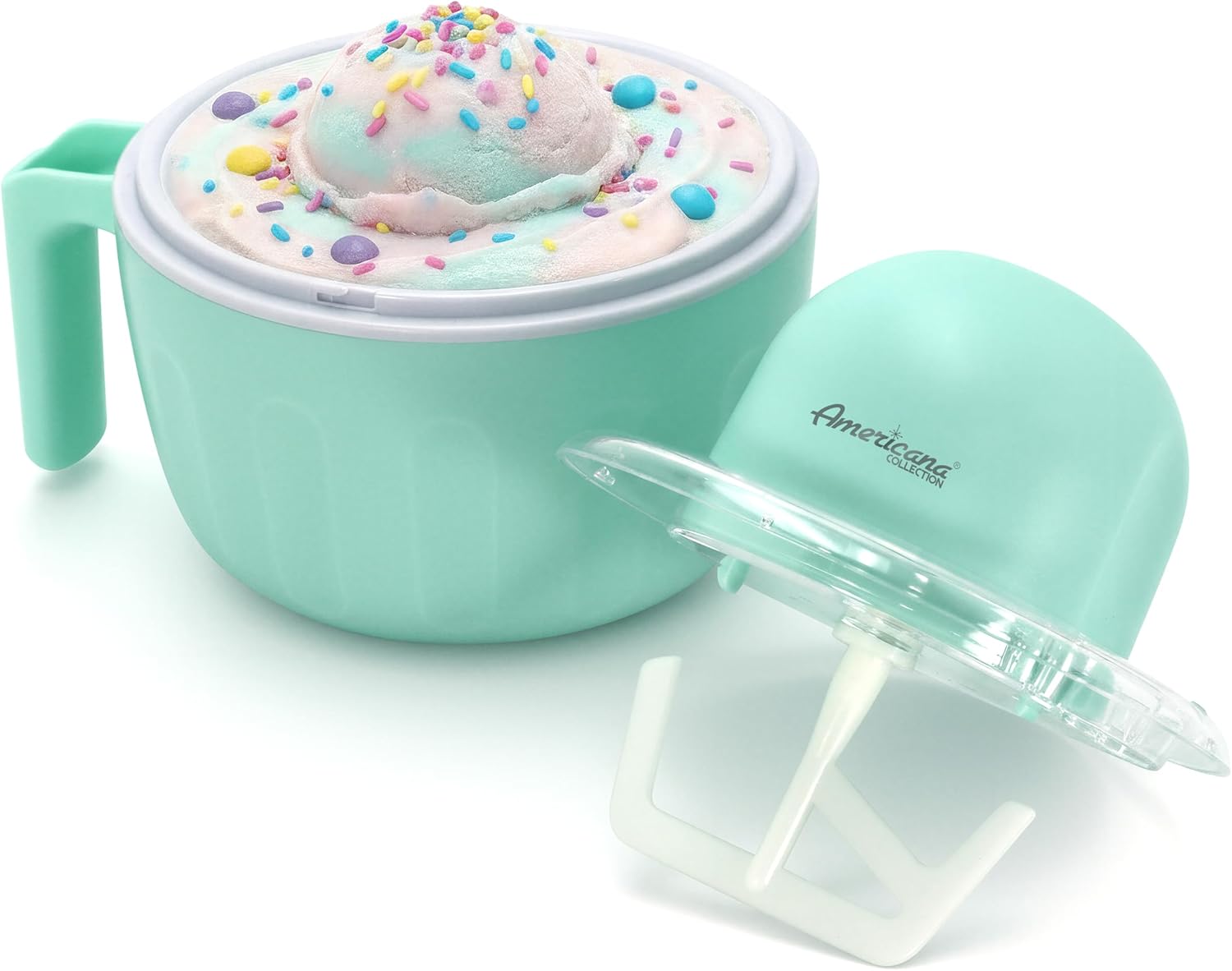
Exploring an americana ice cream maker or similar automatic countertop appliance lets you skip complicated kitchen setups entirely. By reviewing specific capacities, power modes, and build designs, you can select a device matching your household routine. Careful comparison helps buyers weigh freezing requirements against batch sizes to achieve consistent homemade frozen yogurt, sorbet, or classic ice cream effortlessly.
As an Amazon Associate, StacyLaughs earns from qualifying purchases.
Buying guide
Capacity and Batch Sizing
Choosing the correct capacity ensures your appliance matches your daily household size and dessert consumption habits. Small single-serving machines typically produce around one pint per cycle, making them ideal for individuals or pairs who want quick personal treats. Larger bucket-style or compressor-driven units yield multiple quarts, satisfying larger groups during parties. Evaluating your usual serving requirements helps prevent prep bottlenecks.
Think carefully about how frequently you host guests or prefer making desserts ahead of time for family dinners. Compact models save valuable counter space but require freezing bowls overnight before each use. Matching bowl volume to your typical dessert portions prevents wasted ingredients and ensures you always have enough sweet treats ready.
Power and Freezing Mechanisms
Different dessert machines utilize distinct freezing technologies. Some units require placing a liquid-filled bowl inside your home freezer for twenty-four hours before churning. Compressor-powered models feature self-contained chilling systems that freeze ingredients actively during operation without prior bowl cooling. Other traditional machines rely on external ice and rock salt mixtures packed around an aluminum canister to drop temperatures.
Selecting the right mechanism depends on your kitchen setup and patience levels. Compressor units offer immediate back-to-back batch capability but add considerable weight and cost. Freezer-bowl designs remain lightweight and compact yet demand advanced planning. Assessing your freezer space and electrical outlet availability ensures smooth operation.
Countertop Footprint and Storage
Kitchen space availability dictates which appliance model fits your home best. Compact plastic makers take up minimal counter space and store easily inside standard kitchen cabinets. Conversely, heavy compressor machines and large wooden bucket designs demand permanent counter placement or dedicated storage areas due to their substantial physical dimensions and elevated weight profiles.
Measuring your available kitchen clearance before purchasing prevents storage frustrations later. Consider whether you plan to leave the appliance out permanently or tuck it away after every use. Lighter models make frequent lifting manageable, while heavier units require stable, dedicated surfaces during operation.
Ease of Operation and Controls
Modern ice cream makers range from basic single-button switches to advanced digital touchpad interfaces with programmable presets. Simple switches work well for users who prefer straightforward manual timing. Automated digital control panels offer dedicated modes for ice cream, sorbet, frozen yogurt, and specialized cooling functions, removing guesswork from dessert preparation.
Look for features like built-in ingredient chutes that let you add mix-ins safely while the paddle churns. Clear LED displays and audible timers also improve the cooking experience by signaling exactly when your frozen recipe finishes churning.
Maintenance and Cleanup Requirements
Appliance maintenance varies significantly depending on material construction and removable parts. Most dessert maker components require hand washing to preserve plastic bowls, aluminum canisters, or specialized churn blades. Reviewing manufacturer care instructions ensures you select a unit whose cleaning routine matches your personal preferences and kitchen schedule.
Removable stainless steel bowls and detachable paddle blades simplify sink cleaning by allowing direct access to sticky residue. Avoiding models with complex crevices makes post-dessert cleanup faster and helps maintain appliance hygiene across repeated uses.
Recipe Versatility and Mix-Ins
Beyond traditional vanilla ice cream, versatile machines handle frozen yogurt, sorbet, and fresh gelato with ease. Included recipe guides help beginners explore different flavor combinations. Ingredient funnels or chutes are essential accessories if you enjoy folding chocolate chips, crushed cookies, nuts, or fresh fruit directly into the churning mixture.
Checking whether a machine supports varied dessert types expands your culinary options at home. Models with wide ingredient openings let you customize textures and flavors mid-cycle without interrupting the freezing process or stopping the motor mechanism.
Frequently asked questions
Do all ice cream makers require overnight bowl freezing?
Not all ice cream makers require overnight bowl freezing. While standard freezable bowl models and dual-mug units necessitate placing the liquid-filled bowl inside a home freezer for twenty-four hours before churning, compressor-powered appliances feature built-in self-contained chilling systems. These compressor units freeze ingredients actively during operation without any prior bowl cooling, enabling immediate back-to-back batches. Additionally, traditional ice-cream machines use external ice and rock salt packed around an aluminum canister rather than relying on pre-frozen bowls.
Can I add mix-ins like chocolate chips while churning?
Yes, many modern ice cream makers include built-in ingredient chutes or funnels designed specifically for adding mix-ins while the machine operates. These convenient openings let you drop in chocolate pieces, crushed cookies, nuts, or fruit mid-churn without needing to stop the motor or disrupt the freezing process. However, simpler models without dedicated chutes may require pausing the appliance or adding mix-ins manually after the dessert has finished churning and transferred to a storage container.
What capacity should I look for when buying a dessert maker?
The ideal capacity depends entirely on your household size and how many people you plan to serve. Single-serving models typically yield one pint or cup per batch, making them perfect for individuals or pairs seeking quick personal treats. If you frequently host family gatherings or parties, larger multi-quart bucket machines or 2.1-quart compressor units provide the high-volume output necessary to serve crowds simultaneously without waiting through multiple freezing cycles.
How do I clean and maintain my electric ice cream maker?
Cleaning requirements vary by model, but most ice cream makers specify hand washing for bowls, lids, and churn paddles to protect delicate materials. Removable stainless steel or plastic bowls should be washed with warm soapy water after they return to room temperature. Avoid abrasive sponges that could scratch freezable gel walls or housing surfaces. Always follow manufacturer care guidelines regarding electrical bases and detachable components to ensure longevity and safe operation.
Are compressor ice cream makers difficult to store?
Compressor ice cream makers tend to be heavier and larger than standard freezable bowl models, often weighing over twenty pounds and featuring substantial countertop footprints. Because of their weight and size, many users choose to give compressor machines a permanent home on their kitchen counters rather than lifting them in and out of cabinets. If cabinet storage space is limited in your kitchen, a lighter freezable bowl or compact USB-powered unit might offer a more practical fit.