Appliances · Buying Guide
Best Anova Sous Vide Cookers for Perfect Steak at Home
Cooking steak to an exact internal temperature can feel challenging with traditional methods, but immersion circulators offer a reliable alternative. By maintaining a carefully controlled water bath, these devices cook meat evenly from edge to edge without risking overcooking. Anova produces several circulator models designed to fit different kitchen setups, pot sizes, and cooking volumes.
Choosing the right device depends on your available space, preferred control methods, and power requirements. Whether you need a compact tool that tucks away easily in a drawer or a heavy-duty circulator built for large containers, understanding the specific attributes of each model helps you select the ideal option for your kitchen routine.
As an Amazon Associate, StacyLaughs earns from qualifying purchases.
Buying guide
Power and Wattage Requirements
Wattage determines how quickly an immersion circulator can heat a body of water to your target steak temperature. Models ranging from 800 to 850 watts handle standard pots efficiently for everyday single meals, small portions, and casual cooking tasks. However, they require considerably more time when dealing with larger volumes of liquid in deep stock pots.
Higher wattage options between 1000 and 1200 watts heat larger volumes much faster and maintain thermal stability under heavy operational loads. Consider your typical batch size, container dimensions, and how quickly you want your water bath to reach cooking temperature before selecting a specific power level for your kitchen routine and meal frequency.
Pot Capacity and Water Volume
Understanding pot capacity ensures your circulator can effectively move water through your chosen container without restriction. Smaller models rated for eight liters work well with compact stock pots for single portions and couples. Larger units rated for 16 liters or up to 100 liters require spacious commercial containers to function properly and distribute heat evenly.
Matching the device capacity to your cookware prevents circulation dead zones and uneven temperature distribution across the seasoned meat. Always verify that your pot meets the minimum water depth requirements specified for your circulator model to ensure the internal heating element operates safely and efficiently during long, unattended cooking cycles throughout the day.
Connectivity and Control Options
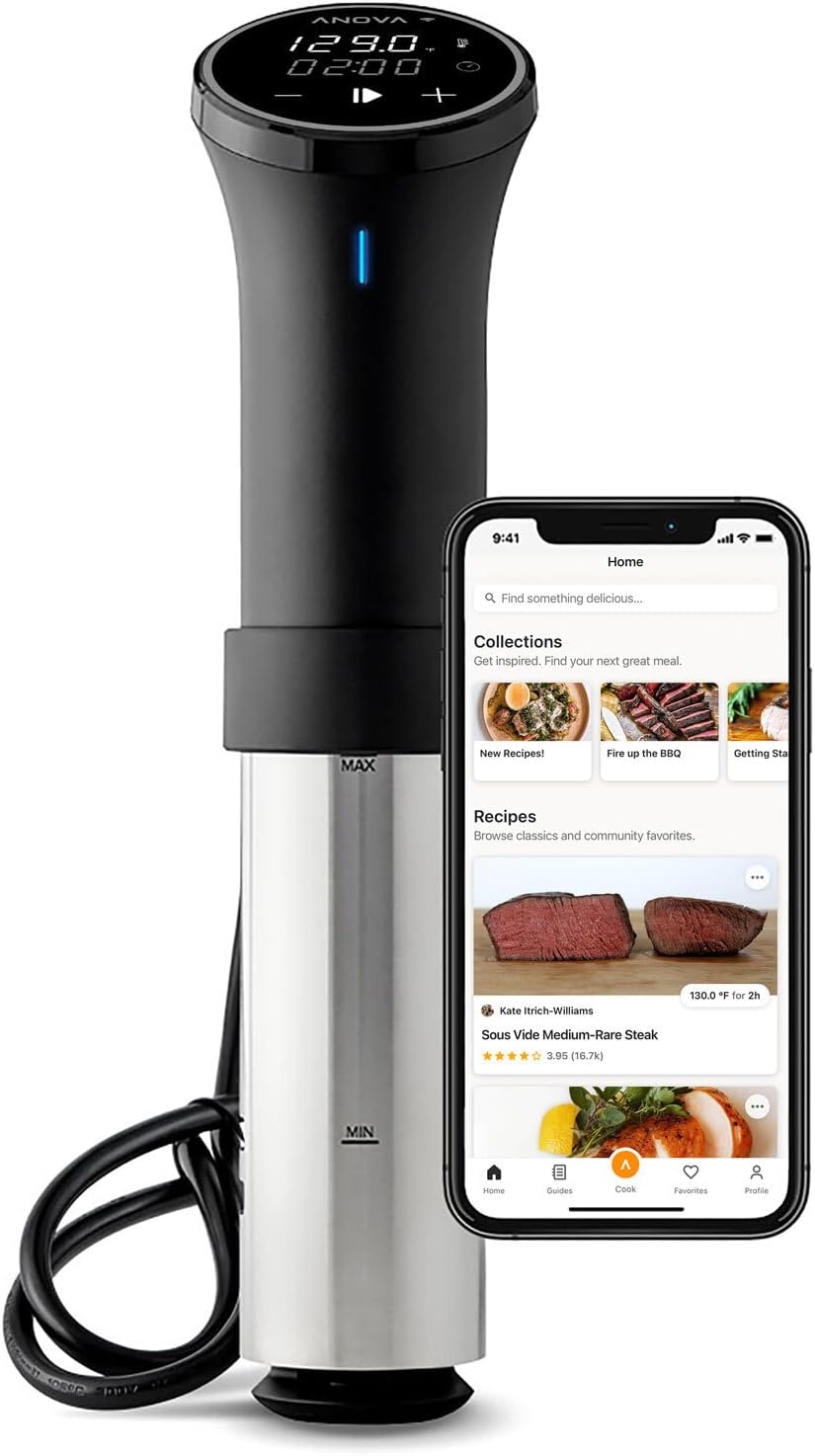
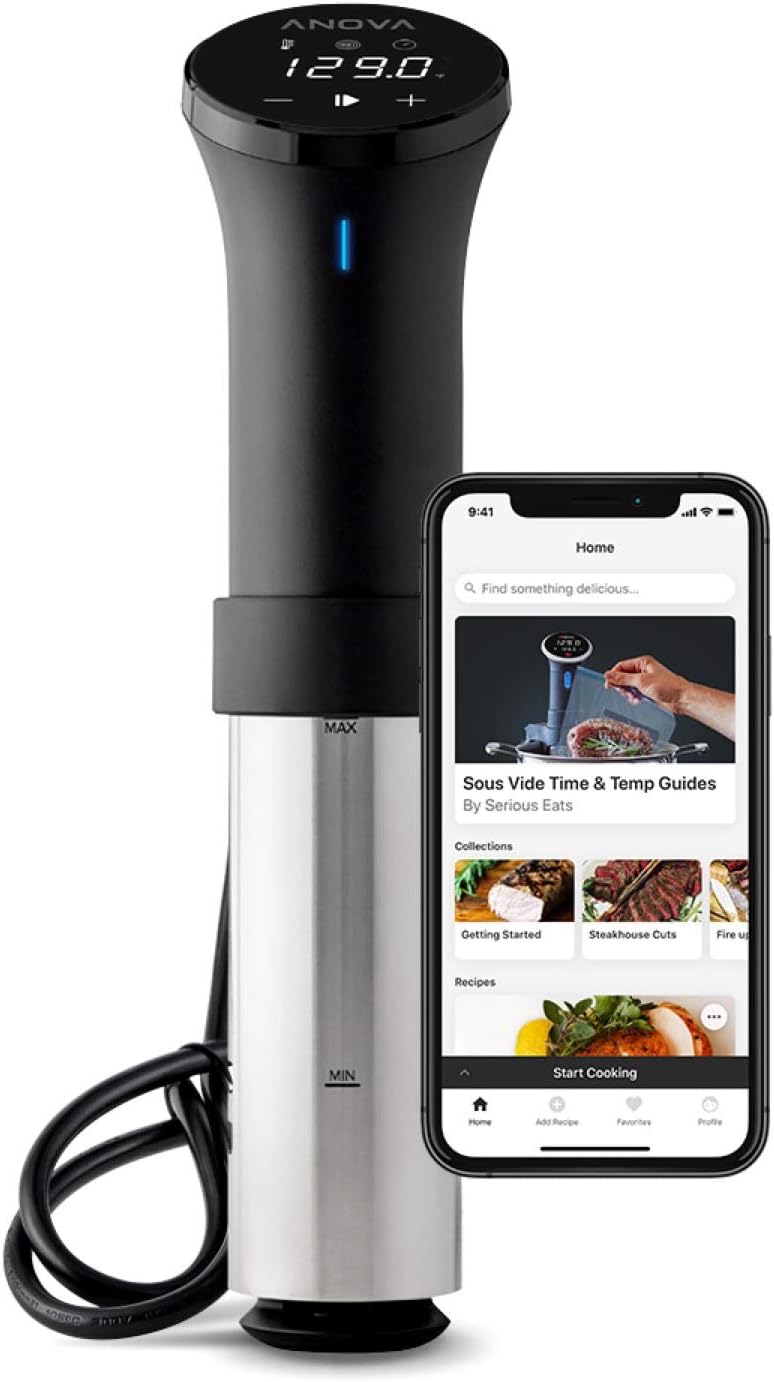
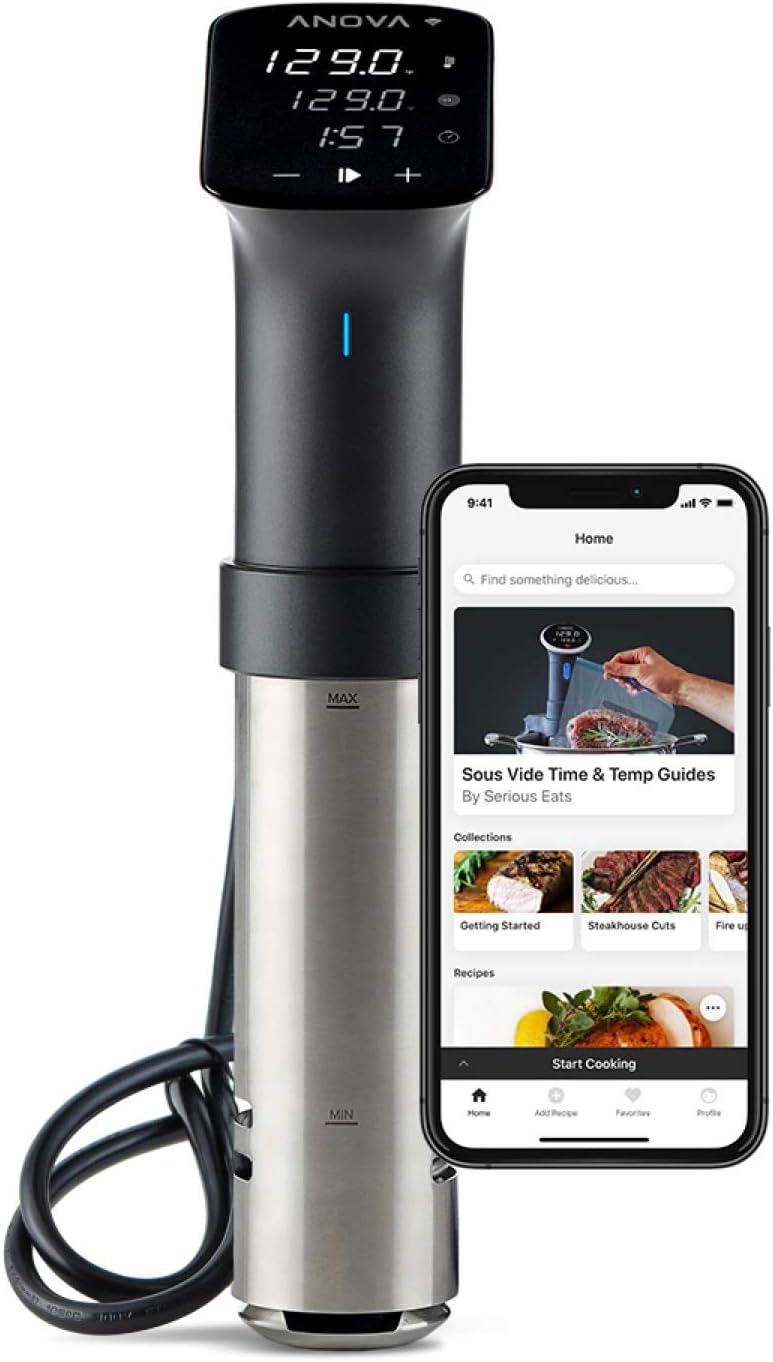
Modern immersion circulators offer various control methods, ranging from direct touch screens to smartphone applications. Bluetooth-enabled devices let you adjust settings locally within short wireless range. Dual-band WiFi models provide reliable remote connectivity, allowing you to monitor water temperature and cooking time remotely from outside the kitchen area or even when running quick errands.
Choosing your interface depends on how closely you monitor your meals. Touch screens provide immediate physical access without requiring a mobile phone or tablet connection. App integration offers extra features, including guided cooking instructions and historical cook logs, making it easier to replicate successful medium-rare steaks over time.
Material and Build Construction
Construction materials affect the overall durability, weight, and cleaning routine of your circulator. Stainless steel options provide robust housing and often feature removable skirts that simplify washing by hand or in the dishwasher after preparing rich, marbled beef steaks and proteins. These metal surfaces withstand heavy daily use and resist accidental drops in busy environments.
Durable plastic designs offer lightweight handling, easier maneuverability, and solid resistance to everyday kitchen wear. Consider how often you plan to use the device and whether dishwasher-safe removable parts matter for your cleanup preferences when maintaining kitchen equipment over many years of regular home meal preparation.
Physical Dimensions and Storage
Physical dimensions dictate where and how you can store your immersion circulator when not in active use. Compact models measuring around 12.8 inches in length stow away easily inside standard kitchen drawers next to everyday silverware and utensils, keeping your kitchen countertops clear of clutter and your favorite tools within quick arm reach.
Larger, heavy-duty commercial circulators possess thicker profiles, heavier metal weights, and greater overall height, requiring dedicated cabinet shelf space or specialized hanging storage solutions. Evaluate your available kitchen storage space carefully before purchasing to ensure the unit fits comfortably in your home environment without creating awkward clutter on kitchen shelves.
Clamping Mechanisms and Fit
Clamping mechanisms secure your immersion circulator firmly to the side of a cooking pot, ensuring structural stability throughout long water bath cooking sessions for tender beef steaks. Adjustable clamps accommodate various pot rim thicknesses and container depths, making them exceptionally versatile for different cookware styles you might already own in your home kitchen.
Fixed clamps offer a simplified attachment method with fewer moving parts but provide less flexibility if you use specialized pots with unusual rim shapes or extra-thick walls. Check your existing stock pots carefully to confirm compatibility with the clamping style of your chosen circulator model before making a final purchasing decision.
Frequently asked questions
How does an immersion circulator help cook a better steak?
An immersion circulator cooks steak by maintaining a precisely controlled water bath at the exact temperature required for your preferred level of doneness. Because water transfers heat uniformly around the vacuum-sealed meat bag, the steak cooks evenly from edge to edge without developing an overcooked gray band. This precise temperature management prevents overcooking, allowing you to achieve tender textures and consistent results every time you prepare beef, lamb, or other cuts. Afterward, a quick sear in a hot skillet finishes the exterior with a flavorful crust.
Do I need a special pot to use an Anova sous vide cooker?
You do not necessarily need a specialized pot, as most Anova circulators attach easily to standard stock pots and cooking containers using adjustable or fixed clamps. However, your chosen container must be deep enough to meet the minimum water depth requirements specified by the manufacturer. It also needs to hold enough water volume to submerge your bagged steak completely while allowing proper water circulation around the food. Many home cooks use common stainless steel or enamel stock pots they already own.
What is the difference between Bluetooth and WiFi models?
Bluetooth-enabled models allow you to control your cooking parameters directly from a smartphone app when you are standing nearby in the kitchen. In contrast, WiFi-connected circulators offer broader wireless connectivity that lets you monitor water temperature, adjust cooking time, and check progress remotely from outside the house. If you prefer staying close to the kitchen during meal prep, Bluetooth models provide simple operation. If you need the freedom to leave home while dinner cooks, WiFi capability offers added convenience and monitoring flexibility.
How do I clean and maintain my Anova circulator?
Cleaning and maintenance depend on the specific model design you own. Many Anova circulators feature a removable stainless steel skirt on the lower half that detaches with a simple twist, allowing you to wash the internal components easily by hand or place them in the dishwasher. For units with non-removable parts or plastic construction, wipe down the exterior surfaces and heating coil area according to manufacturer guidelines to remove mineral deposits or food residue after cooling down completely.
Can I cook foods other than steak with these circulators?
While immersion circulators are exceptionally popular for cooking perfect steaks, they are remarkably versatile kitchen tools suitable for a wide variety of foods. You can use them to prepare chicken breasts, fish fillets, pork chops, lamb, vegetables, and eggs to exact target temperatures. The controlled thermal environment locks in natural moisture and flavors across different ingredients. This versatility makes a sous vide circulator a practical addition to your kitchen equipment for preparing multi-course meals and diverse weekly recipes.