Appliances · Buying Guide
Best Electric Meat Grinder Options for Home Processing and Sausage Making
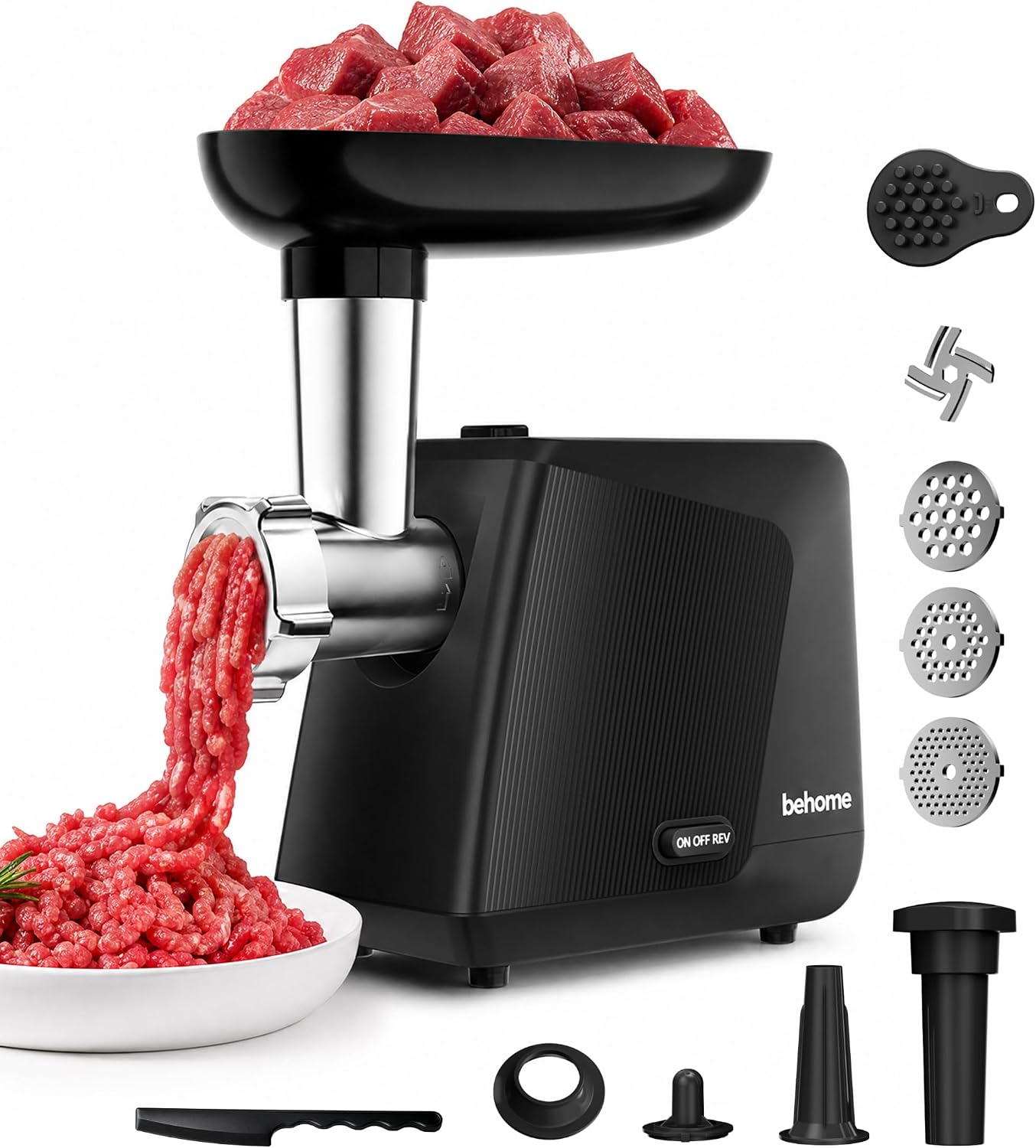
Preparing fresh cuts of meat, grinding wild game after a successful hunt, and crafting homemade sausages at home requires a dependable countertop appliance. Modern electric meat grinders replace manual hand cranks with powerful motors and specialized stainless steel attachments designed to handle beef, pork, poultry, and venison efficiently.
Whether you need a compact machine for occasional burger prep or a heavy-duty unit for bulk processing, understanding motor wattage, plate sizes, and cleaning requirements helps you select the right tool for your kitchen setup without relying on guesswork or exaggerated marketing claims.
As an Amazon Associate, StacyLaughs earns from qualifying purchases.
Buying guide
Evaluating Motor Power and Wattage Ratings
Selecting an electric meat grinder starts with evaluating motor wattage and horsepower specifications. Higher wattage ratings indicate greater ability to power through tough connective tissue and dense cuts of meat without stalling.
Home processors should balance maximum locked power figures against continuous operating wattage to ensure the motor handles intended batch sizes reliably.
Understanding Processing Speed and Output Volume
Processing speed determines how many pounds of meat a machine can handle per minute during active operation. High-capacity models process up to ten pounds per minute, suiting large game hunters.
Smaller household units handle two to four pounds per minute, which adequately serves weekly family meal preparation and routine burger grinding tasks.
Selecting Grinding Plates and Texture Options
Grinding plates dictate the final texture of your ground meat, ranging from fine two-millimeter holes to coarse seven-millimeter openings. Fine plates work well for smooth sausages.
Coarser plates provide an ideal texture for chili, coarse sausages, and traditional burgers. Having multiple plate sizes ensures recipe versatility.
Assessing Material Construction and Durability
Material choice directly impacts appliance longevity, weight, and cleaning requirements. Stainless steel components offer superior corrosion resistance and everyday durability.
Die-cast aluminum and alloy parts provide structural strength for heavy gearboxes but typically require careful hand washing to prevent surface oxidation.
Incorporating Sausage Stuffing and Special Attachments
Many modern electric grinders double as sausage stuffers by including specialized funnels and spacers. Slow-speed settings help prevent casing blowouts during stuffing.
Some models also provide kubbe makers, burger presses, and vegetable grating attachments that expand the appliance's utility beyond basic meat mincing.
Managing Cleaning and Maintenance Requirements
Proper cleanup extends the lifespan of internal gears, blades, and cutting heads. Removable grinder heads with quick-release buttons simplify daily disassembly.
Reviewing manufacturer guidelines regarding dishwasher safety prevents accidental discoloration of aluminum parts and maintains sharp cutting edges over time.
Frequently asked questions
Can electric meat grinders process bones for pet food?
Most consumer electric meat grinders are explicitly designed for boneless meat, poultry, and venison. Attempting to grind hard bones, dense cartilage, or tough skin can damage the cutting blades, jam the internal auger, and strain the motor. Always check the manufacturer guidelines regarding bone processing before attempting to make raw pet food at home.
What is the purpose of the reverse button on a meat grinder?
The reverse function allows you to temporarily spin the internal auger backward to help clear food jams caused by sinew or unground chunks. If feeding slows down or the motor strains, pressing the reverse switch safely dislodges trapped material without requiring you to completely disassemble the grinding head while operating.
Should I wash meat grinder attachments in the dishwasher?
Dishwasher safety varies by model and material construction. Stainless steel blades and plates are often dishwasher-safe, but aluminum or alloy grinder housings and augers typically require hand washing with warm water and mild detergent. High dishwasher temperatures and harsh detergents can cause oxidation, discoloration, or corrosion on non-stainless metal parts.
How do I prevent meat from jamming inside the grinder tube?
Preventing jams involves cutting your meat into strips that match the dimensions of the feeding chute and removing excessive connective tissue or tough skin beforehand. Always use the provided food pusher to guide ingredients downward gently rather than forcing meat in manually, and keep the cutting blade sharp and correctly installed.
Can I use an electric meat grinder to stuff sausage casings?
Yes, many electric meat grinders include dedicated sausage stuffing tubes and funnels. Some advanced models offer a dedicated slow operating speed specifically designed to stuff sausage casings evenly without tearing them. When stuffing sausages, it is standard practice to grind the meat first, then feed the prepared mixture through the stuffing tube.