Appliances · Buying Guide
Best Aroma 6-Cup Rice Cooker Picks for Easy Kitchen Meals
Finding the right kitchen appliance to simplify daily meal preparation can completely transform how you handle grains, hearty soups, and savory side dishes. Compact multi-cookers offer a practical way to manage cooking times without cluttering valuable countertops or demanding constant attention during busy weeknights and hectic schedules. When you want consistent grains without complicated settings, small cookers provide a straightforward path forward.
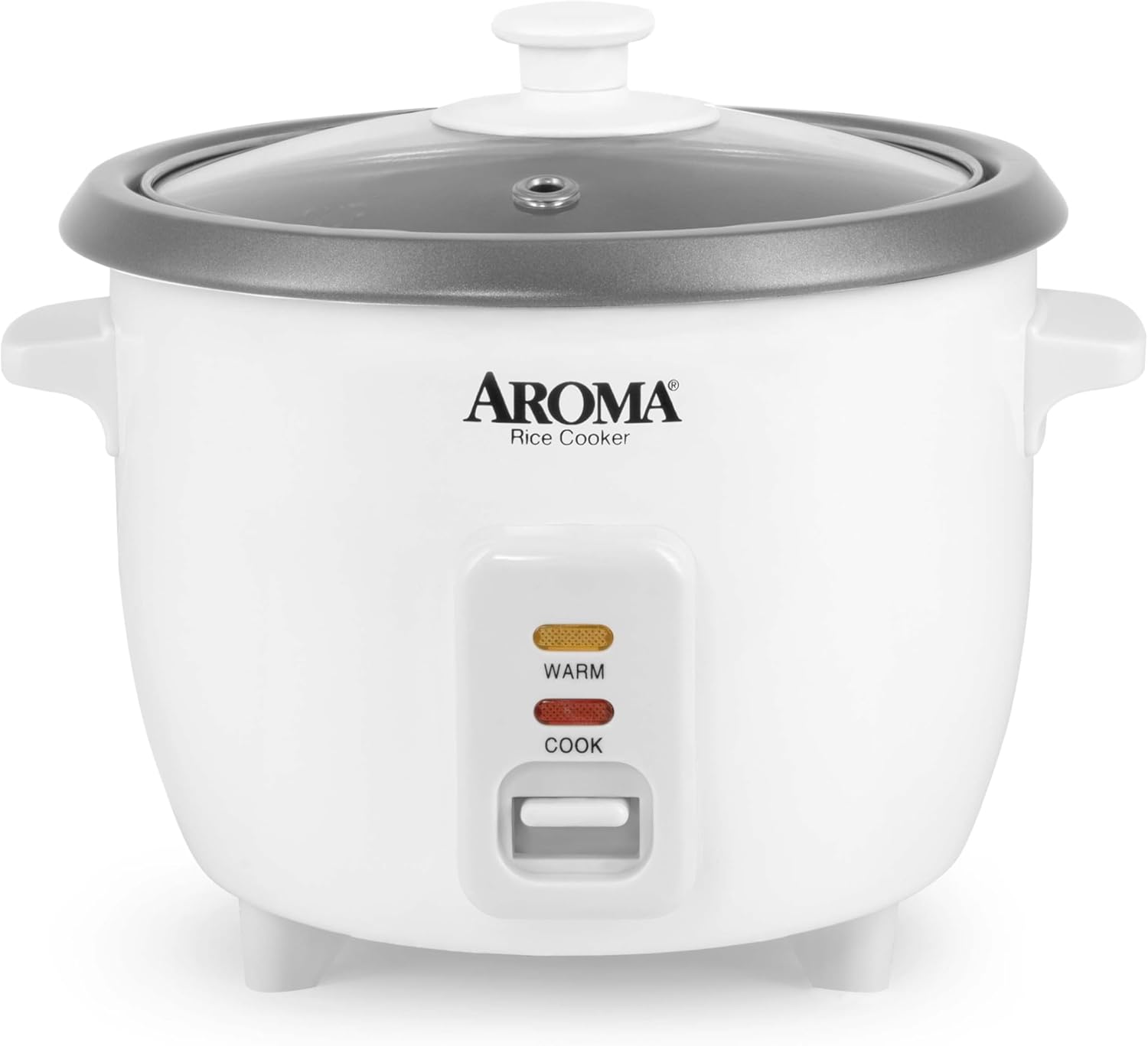
Aroma models featuring a convenient six-cup cooked capacity provide a highly versatile solution for individuals, couples, and small households. By focusing on straightforward one-touch operation and automated keep-warm modes, these compact countertop devices help streamline basic cooking tasks while delivering reliable everyday results across various favorite recipes. Reviewing the available options ensures you find the exact pot style that fits your kitchen routine.
As an Amazon Associate, StacyLaughs earns from qualifying purchases.
Buying guide
Capacity and Yield
When selecting a compact rice cooker, understanding the difference between raw and cooked capacity is essential for daily meal planning. A three-cup uncooked rating typically yields six cups of fluffy cooked grains, providing an ideal portion size for individuals, couples, or small families. Choosing the right physical volume ensures you can prepare enough food for a dinner side dish without creating excessive leftover storage demands in your refrigerator.
Matching your household size to the cooker capacity prevents both overflow issues and insufficient meal portions. While six-cup cooked models handle everyday side dishes effortlessly, they occupy minimal counter space compared to larger multi-quart appliances. Evaluating how much rice or grain you typically consume in a single sitting will guide you toward the ideal countertop footprint for your kitchen layout.
Inner Pot Materials
The material of your cooker's inner pot directly influences durability, cleaning routines, and cooking performance. Traditional aluminum nonstick pots offer effortless food release, while advanced ceramic coatings like CoreCoat provide toxin-conscious surfaces free from PFAS, PFOA, and heavy metals. Alternatively, food-grade stainless steel pots eliminate coatings entirely, appealing to buyers who prioritize bare metal durability and dishwasher compatibility over traditional nonstick slickness.
Reviewing your cleaning preferences helps determine which pot material best fits your lifestyle. If you prefer tossing cookware into the dishwasher, stainless steel options provide that convenience without risking coating degradation. Conversely, nonstick and ceramic surfaces require gentle hand washing to maintain their protective finishes, trading a bit of cleanup speed for specialized cooking performance and easy food release.
One-Touch Operation
Simplicity remains a primary advantage of compact pot-style cookers, featuring straightforward mechanical levers that initiate the heating cycle instantly. One-touch operation removes guesswork by letting users add ingredients, lower a switch, and walk away until the meal finishes. This set-it-and-forget-it approach eliminates complex digital menus, making everyday grain preparation accessible for cooks of all experience levels without requiring constant monitoring.
Automated cooking sensors monitor temperature changes inside the vessel to determine when water has evaporated completely. Once grains reach optimal fluffy textures, the appliance automatically switches into keep-warm mode, preventing food from burning or cooling too quickly. This hands-off transition ensures reliable results across different recipes, allowing you to focus on preparing other meal components while the cooker manages timing.
Simultaneous Steaming
Many compact cookers include external steam trays that expand your culinary capabilities by allowing simultaneous cooking above and below. While rice or soup simmers in the main pot, you can place vegetables, fish, or poultry onto the plastic or aluminum tray. This vertical arrangement saves valuable time during busy evenings by producing a complete meal using a single countertop appliance and power outlet.
Utilizing a steam accessory requires proper water ratio management to ensure both the grains below and the proteins above cook thoroughly. Checking whether your chosen model includes a glass lid also helps you monitor steaming progress without losing heat or moisture. Evaluating how often you plan to steam fresh vegetables will help determine if an included tray adds practical value to your daily routine.
Power and Wattage
Compact rice cookers typically operate between three hundred and five hundred watts, balancing energy consumption with efficient heating performance. Lower-wattage models consume minimal electricity and generate gentle heat suitable for slow-simmering grains and soups without scorching the bottom. Higher-wattage variants may heat slightly faster, though most six-cup units maintain comparable cooking times due to their modest overall physical volume and water capacities.
Understanding electrical requirements ensures your kitchen setup can comfortably accommodate the appliance alongside other countertop devices. Because these cookers draw relatively low power compared to large ovens or microwaves, they plug easily into standard kitchen outlets without overloading circuits. Reviewing wattage specifications helps you gauge energy usage and heating speed before making a final purchasing decision.
Maintenance and Cleaning
Proper maintenance extends the lifespan of your rice cooker and keeps food tasting fresh across multiple uses. Most manufacturer guidelines specify hand washing for nonstick and ceramic inner pots to protect specialized coatings from harsh dishwasher detergents and high water temperatures. Removable steam trays, condensation collectors, and tempered glass lids also benefit from regular washing with warm soapy water after every cooking cycle.
Following manufacturer cleaning instructions prevents premature wear on delicate nonstick surfaces and ensures mechanical switches remain free from sticky starch buildup. Wiping down the exterior housing with a damp cloth maintains the appliance's appearance on your countertop. Prioritizing routine maintenance safeguards your investment and guarantees reliable performance for future grain dishes and side meals.
Frequently asked questions
How much dry rice can I cook in a six-cup cooker?
A standard six-cup cooked capacity cooker typically accommodates up to three cups of uncooked dry rice using the provided measuring cup. Because grains double in volume during the cooking process, three dry cups expand into six cups of fluffy cooked rice. Exceeding this three-cup maximum raw limit can cause water to overflow through the lid vent during the boiling phase, potentially creating a mess on your kitchen countertop. Always stick to the manufacturer's recommended raw ingredient guidelines.
Do these cookers automatically switch to keep warm?
Yes, virtually all standard pot-style models feature an automated internal thermostat that detects when cooking liquid has been fully absorbed. Once the water evaporates, the internal mechanism trips a switch that automatically transitions the appliance into keep-warm mode. This smart feature prevents your grains from burning while maintaining ideal serving temperatures until you are ready to dish out your meal. You do not need to monitor a timer or manually adjust settings once cooking begins.
Can I cook grains other than white rice?
Absolutely, these versatile multi-cookers excel at preparing a wide variety of grains, including brown rice, quinoa, oatmeal, and mixed whole grains. Certain models also handle soups, jambalaya, and pasta dishes effectively depending on the water ratios and ingredient types used. However, whole grains like brown rice often require slightly more water and longer simmering times to achieve proper tenderness compared to standard white rice varieties. Always consult the included manual for recommended liquid proportions.
Are the inner pots dishwasher safe?
Dishwasher safety depends entirely on the specific inner pot material supplied with your chosen model. Stainless steel inner pots are generally dishwasher safe, allowing you to toss them into the machine without worrying about degrading protective layers. Conversely, aluminum pots featuring traditional nonstick or advanced ceramic coatings typically require manual hand washing to preserve their smooth cooking surfaces over years of regular use. Always check the specific product care instructions provided by the manufacturer before cleaning.
How do I use the included steam tray?
The included steam tray fits securely over the top opening of the inner pot while your rice, soup, or grains cook simultaneously below. As the water boils and generates steam, you can place raw vegetables, sliced meats, or dumplings onto the tray. Putting the lid firmly on top traps the rising heat to cook your upper foods while the lower grains finish absorbing moisture. This simultaneous cooking method saves valuable time and simplifies your daily meal preparation routine.