Appliances · Buying Guide
Best Aroma White Rice Cooker Options for Every Kitchen Size
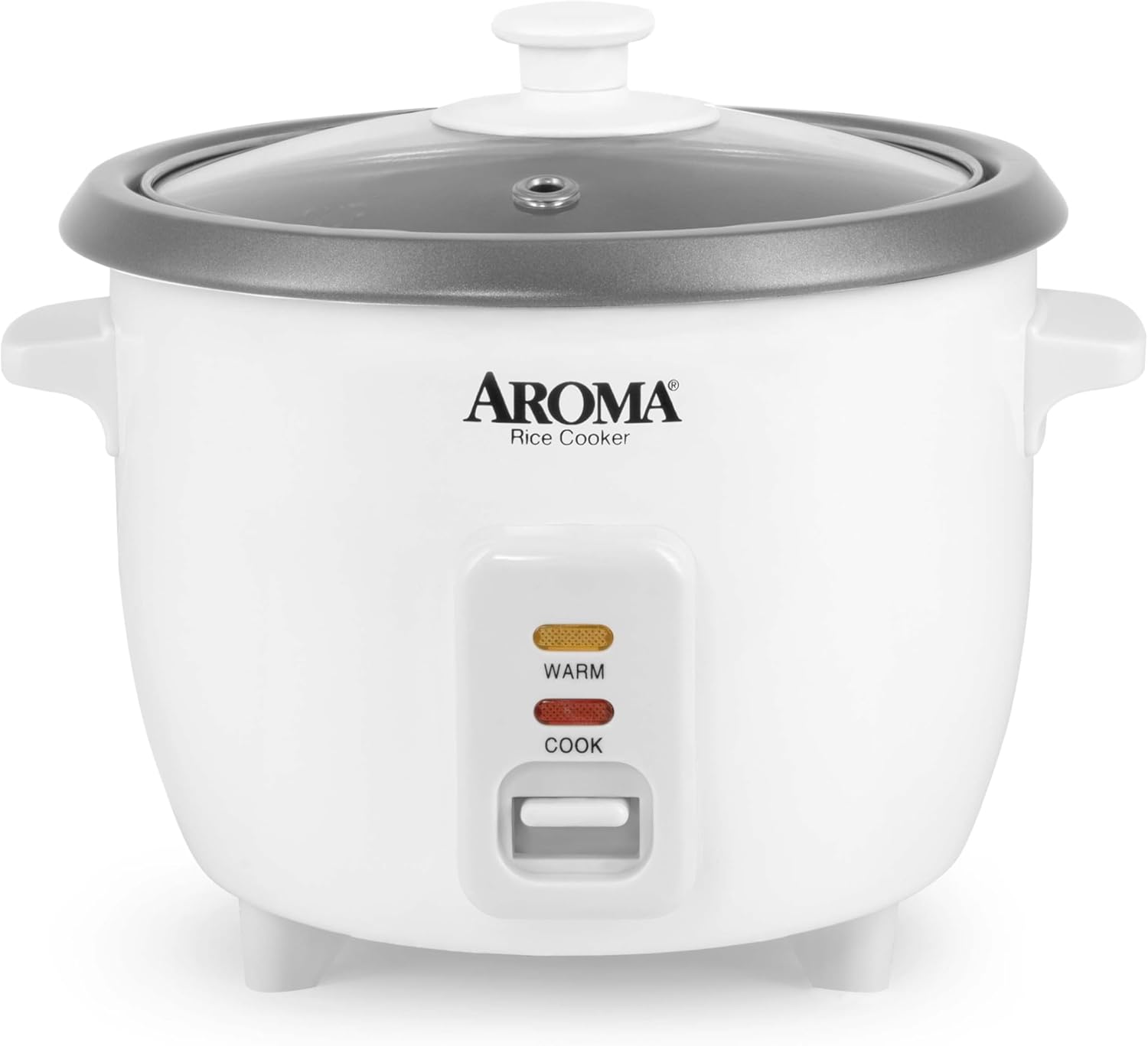
Choosing an aroma white rice cooker involves matching appliance capacity and control types to your daily routine. These white countertop appliances range from compact models designed for small households to large multicookers capable of handling family-sized batches of grains, soups, and steamed vegetables without complicating meal prep.
Whether you prefer simple one-touch mechanical levers or programmable digital panels with delay timers, understanding the specific pot materials, wattages, and physical footprints helps you select the right appliance for your kitchen setup. Evaluating these core features ensures your new cooker integrates smoothly into your cooking habits.
As an Amazon Associate, StacyLaughs earns from qualifying purchases.
Buying guide
Evaluating Cooking Capacity Requirements
Determining the correct capacity for an aroma white rice cooker depends directly on your household size and typical meal portions. Compact models handle small batches suitable for individuals or couples, yielding up to six cooked cups. Medium options accommodate standard family meals with eight-cup capacities. Large professional cookers scale up to twenty cooked cups, providing ample food for gatherings, parties, or meal-prepping large quantities of grains in a single cycle.
Matching the raw input measurements to your serving habits prevents food waste and ensures proper appliance operation. Manufacturers measure capacity using standard rice cups rather than standard US measuring cups. Reviewing these volume specifications carefully helps you select an appliance that satisfies your daily dietary needs without occupying unnecessary countertop space or leaving you short on portions during family dinners.
Control Panels and Cooking Programs
Rice cookers feature either straightforward mechanical one-touch levers or advanced digital control panels. Mechanical models require minimal setup, operating by pressing a lever downward until the cooking cycle finishes automatically. These appeal to users prioritizing simplicity. Conversely, digital panels offer specialized buttons for white rice, brown rice, steaming, and slow cooking. They often include programmable delay timers that let you schedule meals hours in advance.
Choosing between mechanical levers and digital interfaces depends on your cooking flexibility requirements. If you prefer setting meal times in advance or cooking diverse recipes like soups and stews, a programmable digital display provides essential utility. For basic grain preparation without complex menu choices, simple mechanical switches deliver reliable performance while keeping operation entirely straightforward and hassle-free for everyday use.
Inner Pot Materials and Coatings
Inner pot materials significantly influence cleanup routines, durability, and cooking performance. Nonstick aluminum pots prevent sticky grains from adhering to the surface, making cleanup fast. Advanced variants feature CoreCoat ceramic coatings made without PFAS or reinforced five-layer bonded granite for added scratch resistance. Alternatively, food-grade 304 stainless steel pots offer a coating-free cooking environment that withstands aggressive scrubbing and dishwasher cleaning cycles without damaging delicate nonstick layers over time.
Your preference for pot materials should align with your cleaning habits and cookware safety priorities. Nonstick and ceramic surfaces require gentle hand washing to preserve their coatings, whereas stainless steel pots often permit dishwasher use. Evaluating how much effort you wish to spend on maintenance ensures long-term satisfaction with your chosen white rice cooker model and prevents premature wear on interior cooking surfaces.
Wattage and Power Performance
Appliance wattage dictates the heating capability and energy draw of your rice cooker. Smaller compact models typically feature 300 to 350-watt heating elements, which efficiently handle modest batches of rice or steamed vegetables. Larger professional multicookers utilize 500 to 700-watt systems to generate sufficient thermal energy for twenty-cup capacities, whole chickens, and high-heat sautéing functions. Higher wattage supports faster heating times across larger volumes of liquid and ingredients.
Assessing power specifications helps determine how well the cooker fits your kitchen electrical layout and cooking demands. While lower wattage units consume less electricity, they require more time to process larger ingredient loads. Matching the power rating to your typical batch size ensures reliable performance without overloading household circuits or experiencing slow cooking cycles during busy meal preparation windows.
Simultaneous Steaming and Accessories
Many aroma white rice cookers include integrated steam trays or baskets that expand appliance versatility. These accessories enable users to steam vegetables, fish, or meats in the upper compartment while grains cook simultaneously below. This capability saves valuable time during meal preparation. Standard accessory packages also typically bundle a rice measuring cup and a serving spatula designed to protect interior nonstick or ceramic cooking surfaces from scratching.
Examining included accessories helps you determine if the appliance meets your broader cooking needs beyond simple grain preparation. If you frequently prepare complete meals involving steamed proteins and side dishes, selecting a model with a dedicated steam tray is highly practical. Verifying these bundled items ensures you have all necessary tools right out of the box without purchasing extra kitchen utensils separately.
Physical Footprint and Storage
The physical dimensions and weight of a rice cooker dictate how easily it fits onto your countertops and into kitchen cabinets. Compact units with narrow diameters take up minimal space, making them ideal for small apartments or crowded kitchens. Conversely, high-capacity twenty-cup models feature wider footprints and deeper housings that require dedicated storage clearance. Measuring your available counter space beforehand prevents storage conflicts.
Balancing capacity needs with available kitchen space ensures your appliance remains convenient to use rather than becoming a storage burden. Models equipped with cool-touch handles and secure lids facilitate safe transport from the counter to the dining table. Evaluating depth, width, and height specifications guarantees that your chosen white rice cooker integrates seamlessly into your daily kitchen routine without causing spatial congestion.
Frequently asked questions
How do I measure rice correctly using an aroma rice cooker?
Manufacturers provide a specialized rice measuring cup with each appliance rather than relying on standard US volume cups. One included rice measuring cup holds approximately three-quarters of a standard cup. To achieve proper cooking results, add your desired number of rice cups into the inner pot first, then fill with water up to the corresponding water level line marked inside the pot. Following these specific markings ensures your grains achieve optimal texture and fluffiness without becoming overly mushy or undercooked during the automated cycle.
What is the automatic keep-warm feature and how does it work?
The automatic keep-warm function is a built-in operational mode designed to maintain serving temperatures after cooking concludes. Once the rice cooker detects that the moisture has been absorbed and the primary cooking cycle is complete, the internal thermostat triggers a transition from high cooking heat to a low temperature holding state. This prevents food from cooling down rapidly if you are not ready to serve immediately, keeping grains warm and fluffy until you disconnect the power cord.
Can I cook other foods besides rice in these cookers?
Yes, these appliances accommodate a wide variety of meals beyond basic white and brown rice. Depending on the specific model, you can prepare oatmeal, soups, chili, jambalaya, steamed vegetables, fish, and even cakes. Digital multicookers featuring specialized programs or high-heat sauté-then-simmer capabilities offer extensive culinary flexibility. Always consult the product manual for specific ingredient guidelines and maximum volume limits to prevent overflows and ensure safe operation across different recipes.
How should I clean and maintain my aroma rice cooker?
Maintenance requirements vary based on the specific inner pot material and construction of your chosen model. Stainless steel pots are typically dishwasher safe, allowing for easy cleanup after heavy use. Nonstick and ceramic pots generally require hand washing with warm soapy water and a soft sponge to protect their delicate coatings. Wipe down the exterior housing with a damp cloth, ensuring the heating plate remains clean and dry. Always follow manufacturer guidelines for care instructions.
How does simultaneous steaming work during cooking?
Simultaneous steaming utilizes the included steam tray or basket that stacks directly above the inner pot. As the heating element boils water to cook the rice or grains below, steam rises into the upper tray to cook vegetables, meats, or fish at the same time. This integrated design saves valuable meal preparation time without requiring separate cookware appliances. Ensure you cut foods into uniform sizes so they cook evenly during the shared heating cycle.