Appliances · Buying Guide
Best beef jerky dehydrator machine options for homemade snacks
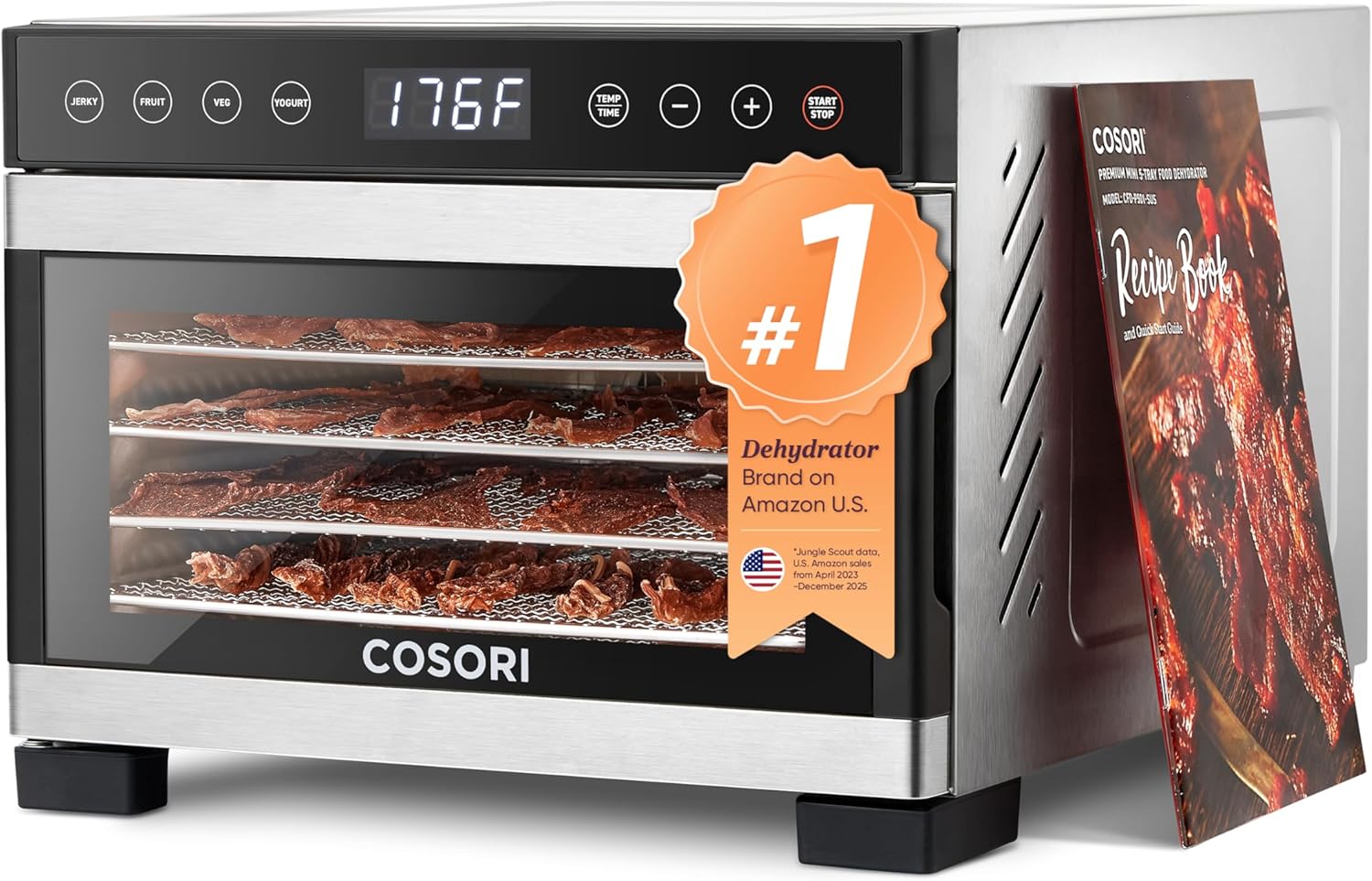
Making homemade meat snacks requires a reliable beef jerky dehydrator machine that can maintain steady heat to process raw meat strips safely and efficiently. Selecting the proper appliance depends heavily on batch size, available kitchen counter footprint, and exact temperature control ranges designed specifically for meat preparation and preservation tasks across different ingredients.
Modern food drying units feature durable stainless steel or plastic construction, rear-mounted or top-mounted heating fans, and adjustable digital or analog thermostats. These practical design elements help circulate warm air effectively across every tray tier, helping home processors achieve consistent texture without requiring manual tray rotation during long operational drying cycles for fruits and meats.
As an Amazon Associate, StacyLaughs earns from qualifying purchases.
Buying guide
Temperature Range and Heat Control
Selecting an appropriate temperature range is essential when preparing safe meat snacks. Look for machines offering adjustable thermostats starting around 95°F and reaching at least 160°F to 176°F. Higher heat capabilities ensure meat strips satisfy food safety standards efficiently during long processing cycles without guesswork. Digital controls with fine increments provide superior precision.
Evaluate whether the appliance maintains stable heat across all tiers. Consistent thermal regulation prevents under-drying in certain spots, protecting against spoilage. Always verify the manufacturer's maximum temperature specifications against your preferred recipes to ensure proper performance for thick beef cuts, delicate herbs, or high-moisture fruits.
Tray Material and Construction Quality
Dehydrator trays typically feature food-grade stainless steel or BPA-free plastic. Stainless steel options offer exceptional durability, rust resistance, and simplified cleanup in household dishwashers. Models utilizing 316-grade steel provide enhanced corrosion resistance for frequent heavy-duty processing sessions involving acidic marinades or salty meats.
Plastic trays remain lightweight and budget-friendly, though they might scratch or stain over extended use. Consider how often you plan to run heavy batches when choosing between metal and plastic builds. Ensuring robust construction guarantees long-term reliability across seasonal harvests and weekly snack preparation routines.
Airflow Systems and Fan Placement
Airflow mechanics dictate how evenly your food dehydrates during long sessions. Rear-mounted fans blow horizontal air across every tier simultaneously, ensuring uniform drying without requiring manual tray rotation. This configuration saves considerable time and effort during multi-hour jerky runs.
Alternatively, top-mounted motors prevent dripping marinades or juices from falling into electrical components below. Assess your kitchen workflow to decide whether horizontal rear convection or vertical top-down airflow better matches your typical ingredients and cleaning preferences.
Capacity and Countertop Footprint
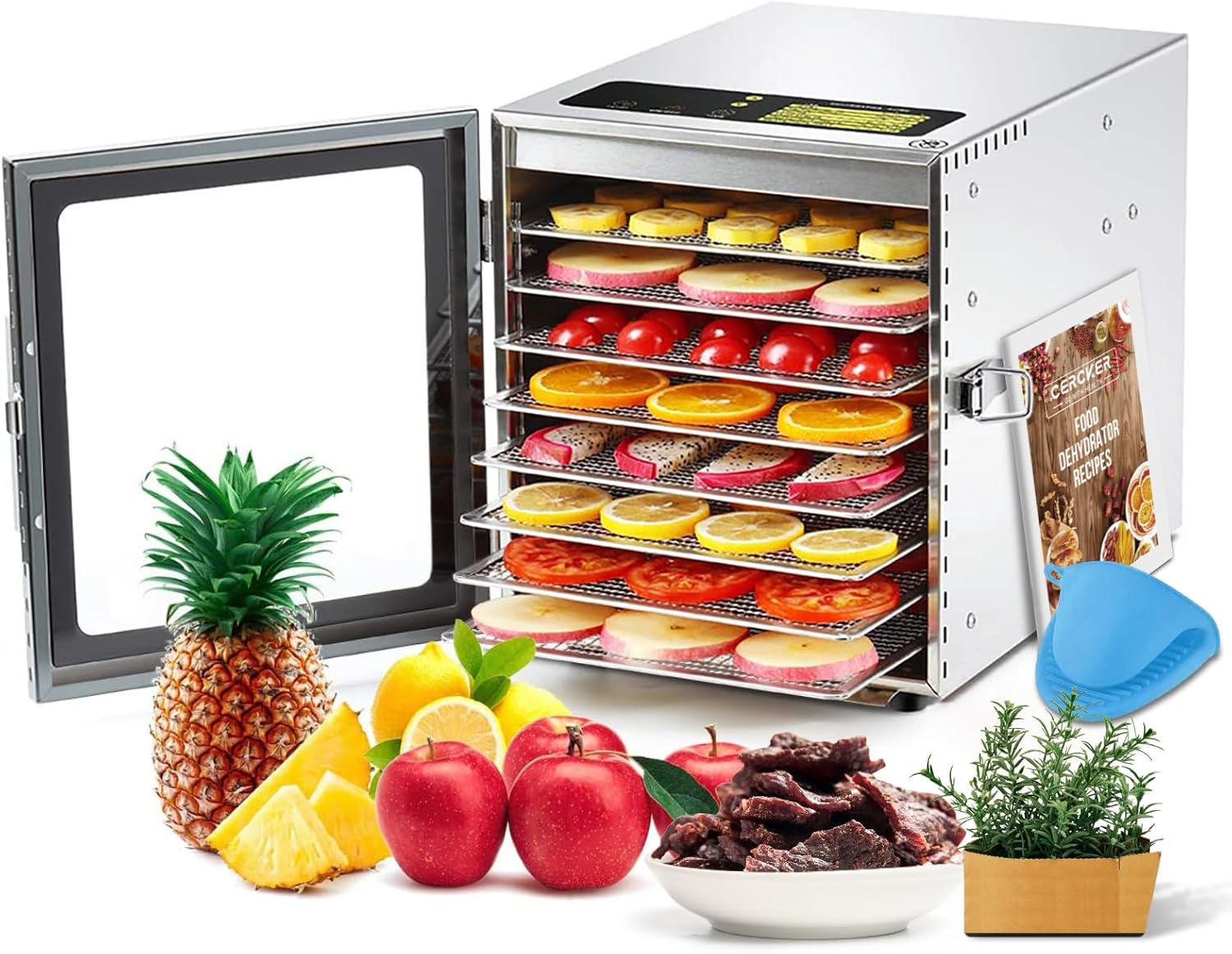
Matching tray capacity to your volume requirements prevents overcrowding and uneven drying results. Compact five-tray units fit easily on small counters, while larger eight-tray or expandable systems accommodate family-sized snack batches. Measure your available kitchen surface space before purchasing.
Consider vertical clearance underneath upper kitchen cabinets as well. Taller models require extra headroom during placement and storage. Balancing your typical batch size against available kitchen space ensures convenient operation without cluttering your daily cooking workspace.
Power Rating and Energy Efficiency
Wattage ratings generally range from 480 to 650 watts across standard dehydrator machines. Higher wattage motors heat up faster and maintain stable temperatures under heavy loads, which benefits multi-tray jerky production. Check electrical requirements to ensure compatibility with standard kitchen outlets.
Energy efficiency matters when running units for extended periods, such as overnight drying cycles. Balanced motor power ensures food dehydrates thoroughly without imposing excessive strain on electrical circuits. Review motor specifications to find a suitable balance between drying speed and power consumption.
Timer Controls and Operational Safety
Digital timers allow precise scheduling up to 48 hours, letting you set processing times and walk away safely. Integrated features like automatic shut-off prevent over-drying and give peace of mind during overnight sessions or busy household schedules.
Built-in safety mechanisms, such as thermal cutouts and overheat protection, safeguard the appliance against electrical strain. Selecting a dehydrator with robust safety controls ensures reliable, worry-free operation across years of homemade snack preparation tasks.
Frequently asked questions
Do I need to rotate trays during the jerky drying process?
Many modern dehydrators feature rear-mounted fans and horizontal airflow systems designed to circulate warm air evenly across all tiers. When using these specific models, manual tray rotation is entirely unnecessary, saving you time and effort during long drying cycles. However, units with vertical airflow or older designs might require occasional shelf rotation to ensure every strip of meat dries at a uniform rate. Always check the manufacturer guidelines for your specific appliance to determine the optimal method for achieving consistent texture across batches.
What temperature is recommended for making safe beef jerky?
Food safety guidelines from agricultural authorities typically recommend heating meat to 165°F during preparation to eliminate harmful bacteria before consumption. Many dehydrators offer adjustable thermostats reaching 165°F, 176°F, or even 190°F specifically to meet these safety standards. When preparing beef jerky at home, selecting a machine with a sufficiently high temperature range allows you to process raw meat strips safely. Always verify that your chosen appliance can reach and maintain these required thermal levels throughout the entire drying cycle.
How long does it typically take to dehydrate beef jerky?
Dehydrating beef jerky usually takes anywhere from four to twelve hours, depending on the thickness of the meat strips, moisture content, marinade composition, and the operating temperature of the machine. Thinner slices dry much faster, whereas thicker cuts require extended processing times. Dehydrators with adjustable digital timers up to 48 hours provide flexible scheduling for these longer sessions. Regularly check your meat strips toward the end of the expected drying window to achieve your preferred texture and flexibility without over-drying.
Are stainless steel trays better than plastic trays?
Stainless steel trays offer superior durability, enhanced corrosion resistance, and simplified cleaning because they are typically dishwasher safe. They withstand heavy use and acidic marinades exceptionally well over years of snack preparation. Plastic trays are generally lighter and more budget-friendly, but they may scratch or absorb odors over time. Choosing between metal and plastic depends on your personal cleaning preferences, durability expectations, and how frequently you plan to run heavy batches of meat jerky or other high-moisture foods in your kitchen.
Can I dry fruits and vegetables in the same machine used for jerky?
Yes, most food dehydrators are versatile appliances capable of processing fruits, vegetables, herbs, yogurt, and pet treats alongside beef jerky. Adjustable thermostats and programmable timers let you tailor the heat and duration to suit different food types and moisture levels. Many models even include specialized accessories like mesh screens and fruit roll sheets to accommodate sticky or small ingredients. Thoroughly washing and sanitizing the trays between different food batches prevents flavor transfer and maintains proper hygiene in your kitchen.