Appliances · Buying Guide
Best Big Bite Meat Grinder Options for Home Processing

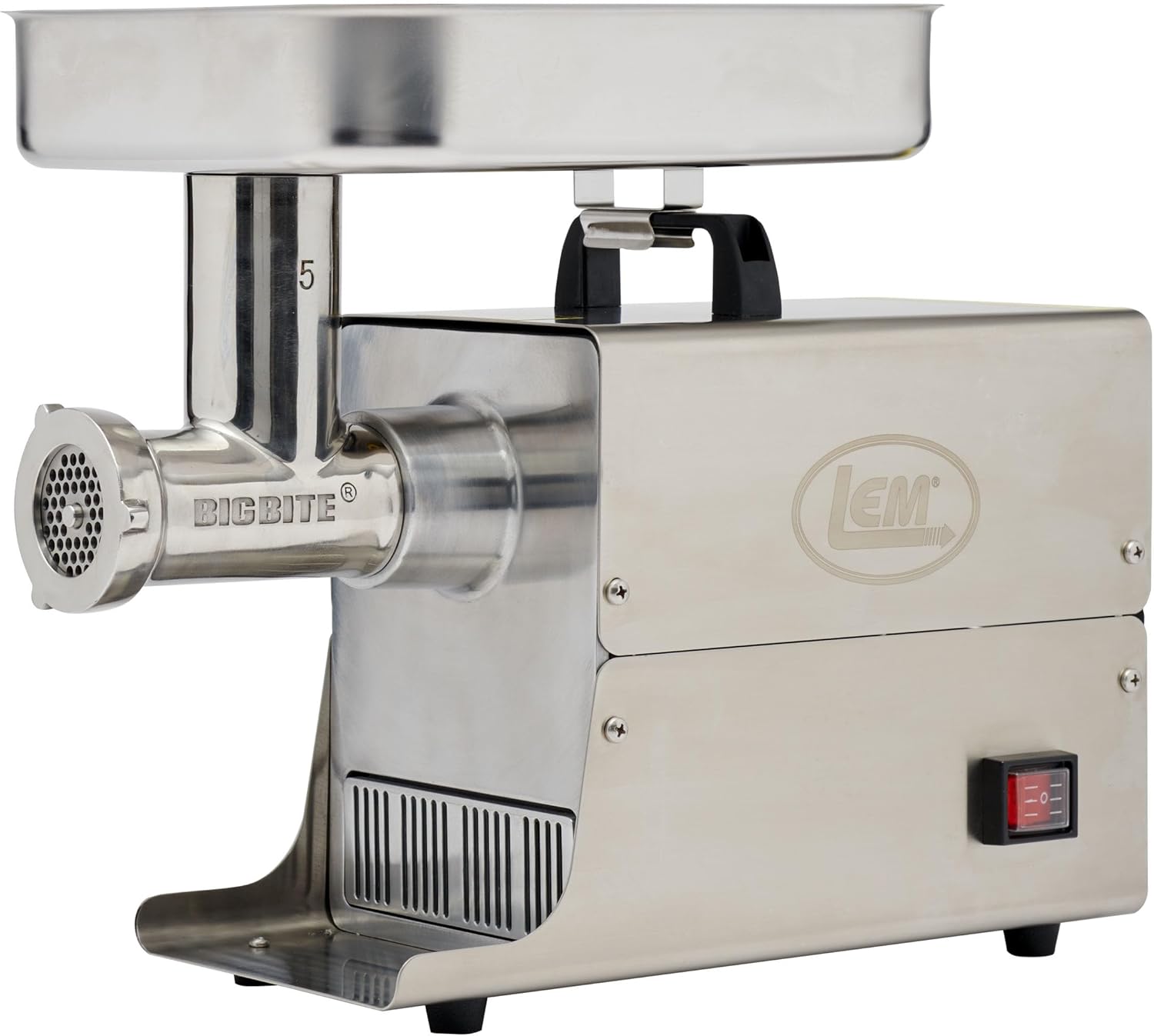
Processing meat at home requires reliable equipment capable of handling various batch sizes, from routine weekly meal prep to large-scale game processing. Electric grinders built with stainless steel components provide the durability needed for frequent operation while maintaining consistent performance. Understanding how motor power, processing speed, and physical dimensions align with your kitchen space helps ensure you select a machine that matches your specific culinary workflow and storage capabilities.
The line of electric grinders offers distinct power levels and capacities designed to accommodate different workloads. Whether you need a compact unit for occasional meal preparation or a heavy-duty commercial-quality machine for handling large game, evaluating the physical weight, motor horsepower, and included accessories ensures a practical fit. Reviewing the core specifications of each model allows buyers to choose a setup tailored precisely to their home butchering and sausage-making requirements.
As an Amazon Associate, StacyLaughs earns from qualifying purchases.
Buying guide
Motor Horsepower and Processing Speed
Motor power directly dictates how efficiently an electric meat grinder processes various cuts of meat and handles continuous workloads without overheating. Smaller motors around 0.35 horsepower suit occasional household meal prep and small batches, while robust units ranging from 0.75 to 1.5 horsepower handle heavy game processing and tougher connective tissues smoothly without straining internal mechanical gears.
Processing speed correlates closely with motor strength, measured directly in pounds per minute across different machine tiers. Evaluating your typical batch size helps determine whether a modest four-pound-per-minute machine or a massive seventeen-pound-per-minute powerhouse best fits your routine kitchen workflow, ensuring you do not overspend on power or settle for sluggish performance during large butchering projects.
Physical Dimensions and Weight Considerations
The physical weight and external dimensions of a meat grinder significantly influence your ability to store, transport, and set up the appliance safely in a standard home kitchen. Units range from manageable twenty-eight-pound models to heavy sixty-five-pound commercial machines that demand dedicated permanent workspace rather than casual cabinet storage between uses.
Assessing your available countertop space and lifting capability before purchasing prevents unexpected placement issues in cramped cooking areas. Heavy machines offer enhanced stability during high-volume processing sessions but create significant lifting challenges, whereas lighter builds trade away massive batch capacity for easier portability and flexible kitchen cabinet storage options that suit everyday cooks.
Bone Processing and Material Compatibility
Determining whether a meat grinder can process bones is crucial for users preparing specialized raw pet food diets or processing whole game animals at home. While standard motors and blades handle boneless beef, pork, and venison easily, only specific high-horsepower models are engineered to safely crush raw chicken bones without damaging internal components or dulling the cutting knives.
Reviewing manufacturer specifications regarding bone processing prevents accidental equipment damage and costly operational repairs. Attempting to grind bones in a machine rated exclusively for boneless meat causes premature wear on cutting edges and strains the internal motor far beyond its intended operational parameters, making material compatibility a vital purchasing consideration.
Included Accessories and Plate Varieties
The variety of included plates, knives, and attachments determines how versatile your meat grinder will be right out of the box for various recipes. Most quality models come equipped with multiple stainless steel grinding plates featuring varying hole sizes, alongside a sturdy stomper and specialized sausage stuffing tubes for comprehensive home butchering projects and sausage making.
Having access to coarse, medium, and fine plates allows you to customize meat texture for burgers, chili, or different sausage links with absolute ease. Specialized additions like dual-grind plates, multi-blade knives, built-in storage trays, or bushing removal tools further streamline maintenance and expand your processing capabilities without requiring separate accessory purchases.
Cleaning and Maintenance Requirements
Proper cleaning and maintenance ensure your electric meat grinder remains hygienic and fully operational over years of regular home use. Units featuring stainless steel construction and easily disassembling head assemblies allow you to wash internal components efficiently with warm soapy water after every heavy processing session without excessive effort or complicated tools.
Permanently lubricated motors reduce routine mechanical upkeep hassles, while models featuring built-in storage trays help keep loose plates and knives neatly organized between sessions in your kitchen. Following manufacturer guidelines for washing, drying, and maintaining metal parts prevents corrosion and preserves cutting edge sharpness for dependable future processing tasks.
Noise Levels and Operational Design
Operating a high-powered electric motor can generate significant noise in a residential kitchen environment during extended food preparation tasks. Modern electric grinders incorporate specialized noise-dampening designs to mitigate operational sound levels, providing a noticeably quieter operating experience while you grind meat, prepare delicious sausages, or process game animals efficiently.
Choosing a model with thoughtful acoustic engineering makes long processing sessions much more comfortable for everyone in the household. Combined with stable frames and balanced internal gear designs, these structural elements ensure the appliance stays securely in place while dampening operational vibrations across the countertop surface during heavy grinding work every single time.
Frequently asked questions
Can I grind bones with every big bite meat grinder model?
No, bone processing capabilities depend heavily on the specific motor horsepower and model design. While heavy-duty units like the LEM Products BigBite #12 and #32 are built to handle raw chicken bones alongside standard beef, pork, and venison, smaller models such as the #5, standard #8, and Dual Grind #8 are explicitly not rated for bones. Attempting to grind bones in machines restricted to boneless meat can damage internal gears and cutting blades, making it essential to review manufacturer specifications for your chosen grinder before processing.
How do I clean and maintain my electric meat grinder after use?
Cleaning your electric meat grinder requires disassembling the head assembly and washing all internal stainless steel components, including the plates, knife, and stomper, in warm soapy water. The permanently lubricated motor housing should be wiped clean with a damp cloth and never submerged in water. Following manufacturer guidelines for thoroughly drying metal parts immediately after washing prevents corrosion and maintains cutting edge sharpness. Storing plates and knives in a dedicated organizer or built-in tray keeps everything ready for your next food preparation session.
What is the advantage of a dual grind meat grinder?
A dual grind meat grinder performs two grinding passes simultaneously within a single operation, allowing you to achieve faster and finer results for burgers, sausages, and pet food prep without manually running the meat through the machine twice. This design streamlines preparation time and saves effort when you require a finer texture. However, users must clean multiple internal plates and cutting components thoroughly after each session, balancing the operational convenience of a dual-pass setup against routine post-grinding maintenance requirements.
What accessories are typically included with these electric meat grinders?
Most models come fully equipped with a comprehensive set of accessories designed to support immediate home butchering and sausage making. Standard inclusions typically feature multiple stainless steel grinding plates with varying hole sizes for coarse or fine textures, a durable cutting knife, a meat stomper for safe feeding, and a set of plastic stuffing tubes in different outer diameters for sausage preparation. Some advanced or dual-grind models may also include specialized tools like bushing removal tools or built-in storage trays for component organization.
How do I choose the right size and horsepower for my needs?
Selecting the right size and horsepower depends entirely on your typical batch size, storage space, and types of meat processed. For casual home cooks handling small weekly meal prep, a compact 0.35 horsepower model with a four-pound capacity offers a manageable footprint. Medium batches and game processing benefit from 0.5 horsepower units, while high-volume homesteaders or hunters handling large game and bones should look toward 0.75 or 1.5 horsepower commercial-quality powerhouses. Always balance your processing volume against available kitchen storage and countertop lifting capability.