Appliances · Buying Guide
Best Bistro Elite Pressure Cooker Alternatives for Everyday Meals
Finding the right cooking appliance can completely change how you prepare daily meals for your household. Whether you want a compact device for quick side dishes or a large family-sized cooker, modern electric and stovetop pressure cookers offer remarkable versatility and speed compared to traditional cooking methods. Selecting the right setup saves valuable time during busy weeknights.
Exploring options similar to a bistro elite pressure cooker requires looking closely at capacities, wattage ratings, and pot materials. This overview examines five distinct models to help you match practical design features with your everyday kitchen routine, ensuring reliable performance for soups, grains, and meats. Understanding these specs ensures a seamless fit for your kitchen counter.
As an Amazon Associate, StacyLaughs earns from qualifying purchases.
Buying guide
Assessing Capacity and Household Size Requirements
Choosing the right capacity is essential when selecting a pressure cooker for your home kitchen. Models range from compact three-quart versions suited for single portions and small spaces up to expansive eight-quart vessels built for feeding large families. Matching your typical batch size prevents unnecessary storage clutter and food waste.
Smaller units save counter space and heat up quickly for simple side dishes, whereas larger multi-cookers comfortably accommodate whole chickens, large roasts, and extensive weekly meal prep. Consider your typical dining group and entertaining habits before committing to a specific volume, ensuring your appliance satisfies daily cooking demands without occupying excessive room on your counter.
Understanding Power Ratings and Heating Performance
Electrical wattage dictates how fast an electric pressure cooker builds internal pressure and maintains consistent cooking temperatures throughout complex cooking cycles. Appliances featuring higher wattage levels deliver rapid heating performance, making them ideal for individuals who want to minimize meal preparation times during hectic weeknights and busy schedules without sacrificing food quality.
Conversely, lower wattage options draw less electrical current, which benefits simpler kitchens with restricted circuit capacity. Stovetop cookers bypass electrical limits entirely by relying directly on your gas, electric, or induction burner heat source, offering robust thermal transfer for searing tough cuts of meat and simmering rich broths effectively while giving you absolute thermal control.
Evaluating Inner Pot Materials and Maintenance Needs
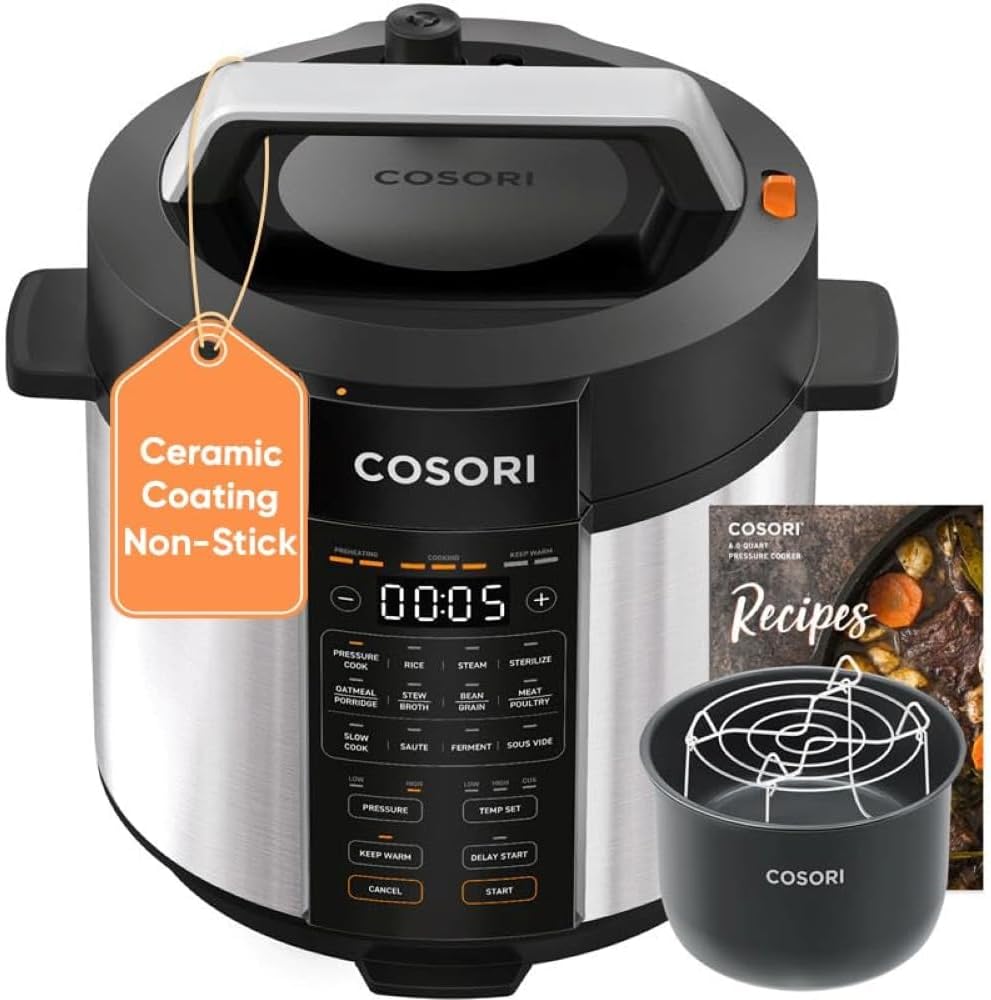
Inner pot material construction directly affects cooking results and cleanup effort during your daily kitchen routine. Stainless steel pots provide exceptional long-term durability and support aggressive searing tasks, while ceramic-coated nonstick surfaces prevent sticky foods from clinging during delicate tasks like simmering grains, cooking oatmeal, or preparing savory sauces without hassle.
Removable pots that are dishwasher safe simplify after-meal cleanup significantly for busy home cooks managing tight daily schedules. Reviewing the material composition carefully helps you select a pot that withstands your preferred cooking techniques while remaining remarkably easy to wash by hand or machine following heavy use and messy family dinners.
Prioritizing Built-In Safety Mechanisms
Operating pressure cooking appliances safely requires robust mechanical safeguards and dependable engineering standards. Look for devices featuring multiple integrated protection layers, such as secure lid safety locks, advanced overheat protection systems, and controlled pressure release valves that prevent accidental lid opening while internal cooking chambers remain fully pressurized during active operation.
These engineered safeguards provide crucial peace of mind when preparing complex meals at high internal temperatures and pressures. Ensuring your chosen model includes clear visual locking indicators and stable venting designs helps maintain an exceptionally secure cooking environment during everyday family meal preparations, protecting both novice and experienced home chefs alike from potential kitchen accidents.
Comparing Programmable Presets and Manual Controls
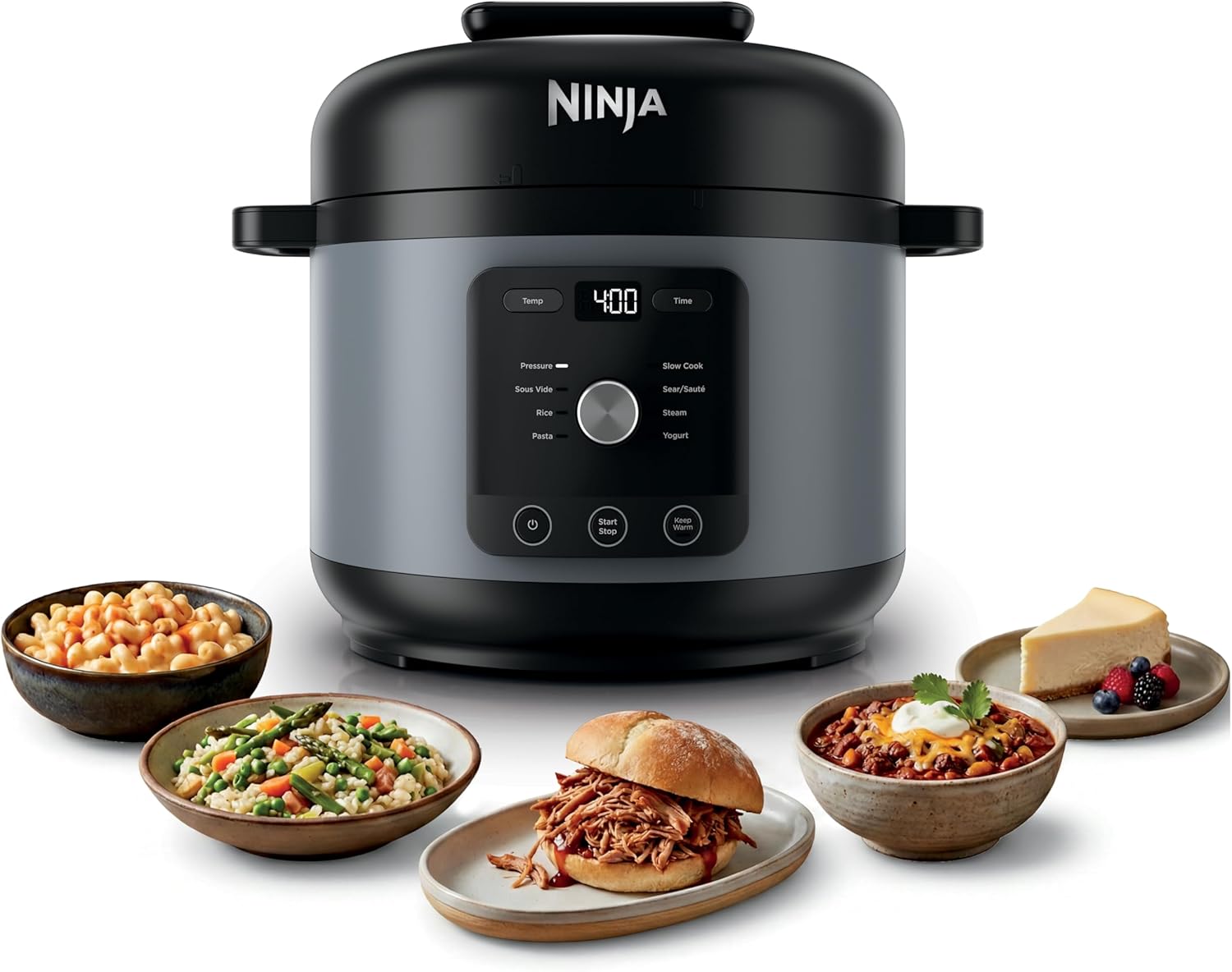
Modern electric multi-cookers often include numerous digital presets designed to automate cooking times and temperatures for white rice, grains, meat, stew, and yogurt. These programmable presets simplify everyday meal planning by adjusting heating parameters automatically at the push of a single button, significantly reducing cooking guesswork for busy individuals managing tight schedules.
Conversely, manual or traditional stovetop models give you direct, tactile control over burner heat levels and precise pressure valve adjustments without relying on digital circuit boards. Deciding between automated digital convenience and hands-on mechanical control depends heavily on your preferred cooking style and personal comfort level in the busy home kitchen environment everyday.
Managing Storage Space and Kitchen Footprint
Physical appliance dimensions and physical weight dictate where you can conveniently store your pressure cooker when it is not actively preparing meals for your household. Larger six-quart and eight-quart units demand dedicated cabinet headroom or permanent countertop space, which can easily crowd smaller kitchens featuring limited surface areas and tight spaces during daily routines.
Compact models fit easily into tighter pantry shelves or lower cabinets, making them ideal for smaller living quarters and minimalist kitchens where space is at a premium. Assessing your available storage capacity carefully before purchasing ensures your new appliance integrates smoothly into your kitchen layout without causing frustrating daily clutter on your kitchen counters.
Frequently asked questions
How do electric pressure cookers compare to traditional stovetop models?
Electric pressure cookers operate independently using built-in heating elements and digital controls, offering programmable presets, automated timers, and hands-off temperature regulation that simplifies cooking tasks for busy individuals. In contrast, traditional stovetop models require an external gas, electric, or induction burner heat source and manual pressure valve monitoring. While stovetops often achieve higher operating temperatures and robust durability using heavy-gauge stainless steel, electric units provide greater versatility and convenience through automated cooking functions, making them popular for everyday multi-dish preparation.
What capacity pressure cooker should I choose for my household?
Selecting the appropriate capacity depends directly on your household size and typical meal preparation habits. A compact three-quart cooker suits single individuals, couples, or those preparing small side dishes and modest portions in restricted kitchen spaces. Conversely, a mid-sized six-quart or 6.5-quart appliance accommodates standard family meals, whole chickens, and multi-serving batches. If you regularly host gatherings or batch-cook for large families, an expansive eight-quart model provides the necessary volume to prepare substantial quantities of soups, stews, and grains efficiently.
Are ceramic-coated pots better than stainless steel inner pots?
Ceramic-coated and stainless steel inner pots each offer distinct practical advantages depending on your cooking techniques. Ceramic-coated nonstick pots prevent delicate foods like oatmeal, eggs, and cheesy sauces from sticking to the bottom, simplifying cleanup routines after every meal. On the other hand, stainless steel pots provide superior durability and support aggressive high-heat searing and browning for meats without risking coating wear over time. Choosing between them involves balancing effortless food release against long-term material resilience during heavy daily use.
How do safety features work on modern pressure cookers?
Modern pressure cookers integrate multiple mechanical and digital safety mechanisms to ensure secure operation under high internal pressures. Key safeguards typically include lid safety lock systems that prevent opening while pressurized, overheat protection circuits that shut off power if temperatures exceed safe limits, and controlled pressure release valves that direct steam safely away from your hands. These engineered features work together automatically during active cooking cycles, giving home chefs essential peace of mind when preparing dense ingredients or boiling liquids.
Can I use a pressure cooker to sear meats before pressure cooking?
Many electric and stovetop pressure cookers feature dedicated searing and sautéing functions that allow you to brown meats and soften aromatics directly in the cooking pot before sealing the lid. This capability eliminates the need for extra frying pans, reducing dirty dishes and building deeper flavor profiles for stews, soups, and roasts. Whether utilizing a multi-cooker's high-heat sauté mode or placing a stainless steel stovetop pot directly onto a burner, direct searing streamlines your meal preparation workflow effectively.