Appliances · Buying Guide
Best Options to Boil Egg in Pressure Cooker and Electric Cookers
Finding reliable ways to prepare morning breakfasts often leads home cooks to explore dedicated electric appliances or multi-use countertop systems. Whether you prefer a dedicated countertop machine or want to boil egg in pressure cooker setups like multi-functional units, understanding your options simplifies daily meal prep routines for any busy household wanting consistent results.
Different households require varying capacities, ranging from small seven-egg trays to larger multi-quart vessels capable of handling family-sized meals and batch cooking. Reviewing the physical dimensions, included accessories, and core features of these top choices helps match the right kitchen tool to your specific cooking habits, dietary preferences, and available counter space.
As an Amazon Associate, StacyLaughs earns from qualifying purchases.
Buying guide
Counter Space and Physical Dimensions
Evaluating available kitchen counter space is an essential first step before purchasing any countertop cooking appliance. Compact models featuring narrow footprints fit easily into tight corners, student dorm rooms, or crowded office kitchenettes without blocking other culinary tools. Larger multi-functional systems require significantly more clearance, demanding permanent placement on open counters or deep storage shelves. Measuring your storage cabinets beforehand prevents unexpected placement issues and ensures your new device integrates smoothly into your existing kitchen layout.
Physical dimensions also dictate how easily you can transport or reposition the appliance during routine cleaning tasks. Lightweight plastic units lift effortlessly with one hand, whereas heavy multi-cooker bases demand two-handed maneuvering. Consider how often you plan to store the device away versus leaving it on display. Choosing a model that matches your physical handling preferences guarantees a more satisfying long-term ownership experience without unnecessary lifting strain.
Capacity and Household Size Requirements
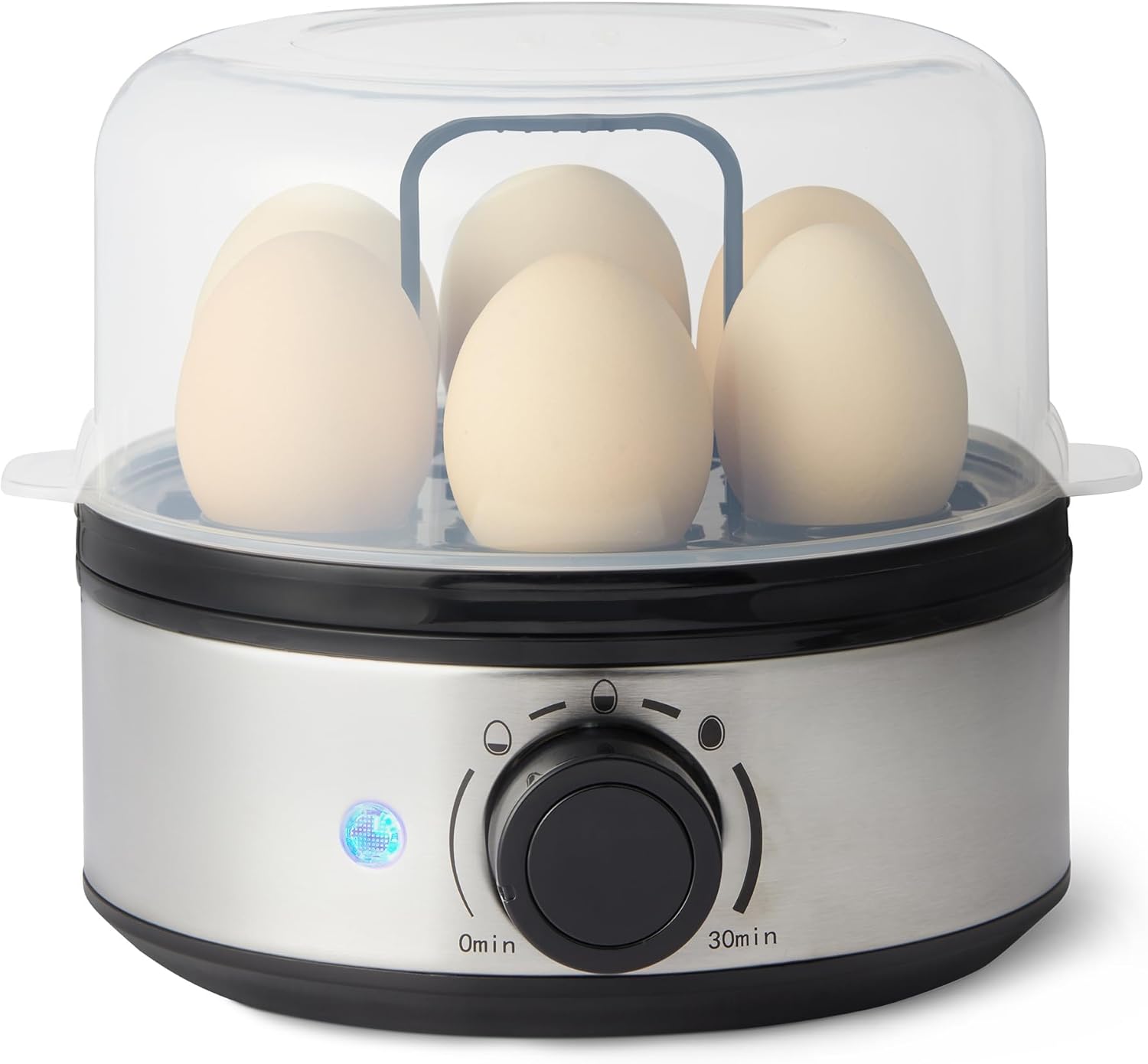
Determining how many eggs or portions you typically prepare helps narrow down your appliance selection. Small countertop cookers generally hold up to seven eggs per cycle, which suits single individuals or couples perfectly. Larger dedicated machines or multi-quart cookers expand capacity to fourteen eggs or accommodate family-sized meals, reducing the need for repetitive batch cooking. Matching the egg capacity to your household routine saves valuable time during busy morning schedules.
Keep in mind that higher capacity units usually feature larger overall dimensions and heavier weights. If you rarely cook for crowds, purchasing an oversized appliance introduces unnecessary bulk into your kitchen storage areas. Conversely, selecting a model that is too small forces you into running multiple consecutive cycles, which defeats the purpose of fast automated cooking. Assess your typical weekly meal patterns realistically to find the ideal balance.
Material Composition and Build Quality
Manufacturers construct cooking appliances using various materials, including durable plastics, stainless steel accents, and ceramic nonstick coatings. Plastic bodies keep appliances lightweight and affordable, making them simple to move around the kitchen. Models incorporating stainless steel elements offer an upgraded aesthetic appearance and increased durability around exterior surfaces. Reviewing material specifications helps you select an appliance that withstands daily use while maintaining its visual appeal over extended periods.
Interior cooking surfaces also deserve careful attention based on your food preparation preferences. Nonstick ceramic pots simplify food release and cleanup when searing or sautéing ingredients directly in the vessel. Meanwhile, specialized egg trays constructed from sturdy plastics hold individual eggs securely during the steaming process. Understanding these material details ensures you pick a tool tailored to your maintenance expectations and cooking style.
Cleaning and Maintenance Convenience
Regular maintenance keeps kitchen appliances operating smoothly and looking presentable over years of daily use. Many compact cookers feature removable, dishwasher-safe parts such as plastic trays, clear lids, and measuring cups, which drastically reduce cleanup time. Being able to place components directly into the dishwasher eliminates tedious hand-washing routines after busy morning breakfast preparations. Always check which parts are dishwasher-safe before committing to a specific model.
Larger multi-cooker systems often feature removable nonstick pots that wipe clean easily with a sponge or cloth. Smooth interior coatings prevent cooked food residue from sticking stubbornly to the bottom surface during high-heat searing or simmering tasks. Prioritizing models with accessible designs and straightforward cleaning requirements encourages consistent upkeep, extending the functional lifespan of your investment without causing unnecessary cleaning frustrations in the kitchen.
Versatility Versus Single-Purpose Design
Deciding between a dedicated egg cooker and a multi-functional pressure system depends on your broader cooking habits. Single-purpose egg cookers excel at boiling, poaching, or steaming eggs quickly with minimal setup required. They remove guesswork by utilizing precise water measurements and automatic shut-off features. If your primary goal is streamlining morning breakfast routines without operating stovetop burners, these specialized machines provide targeted efficiency.
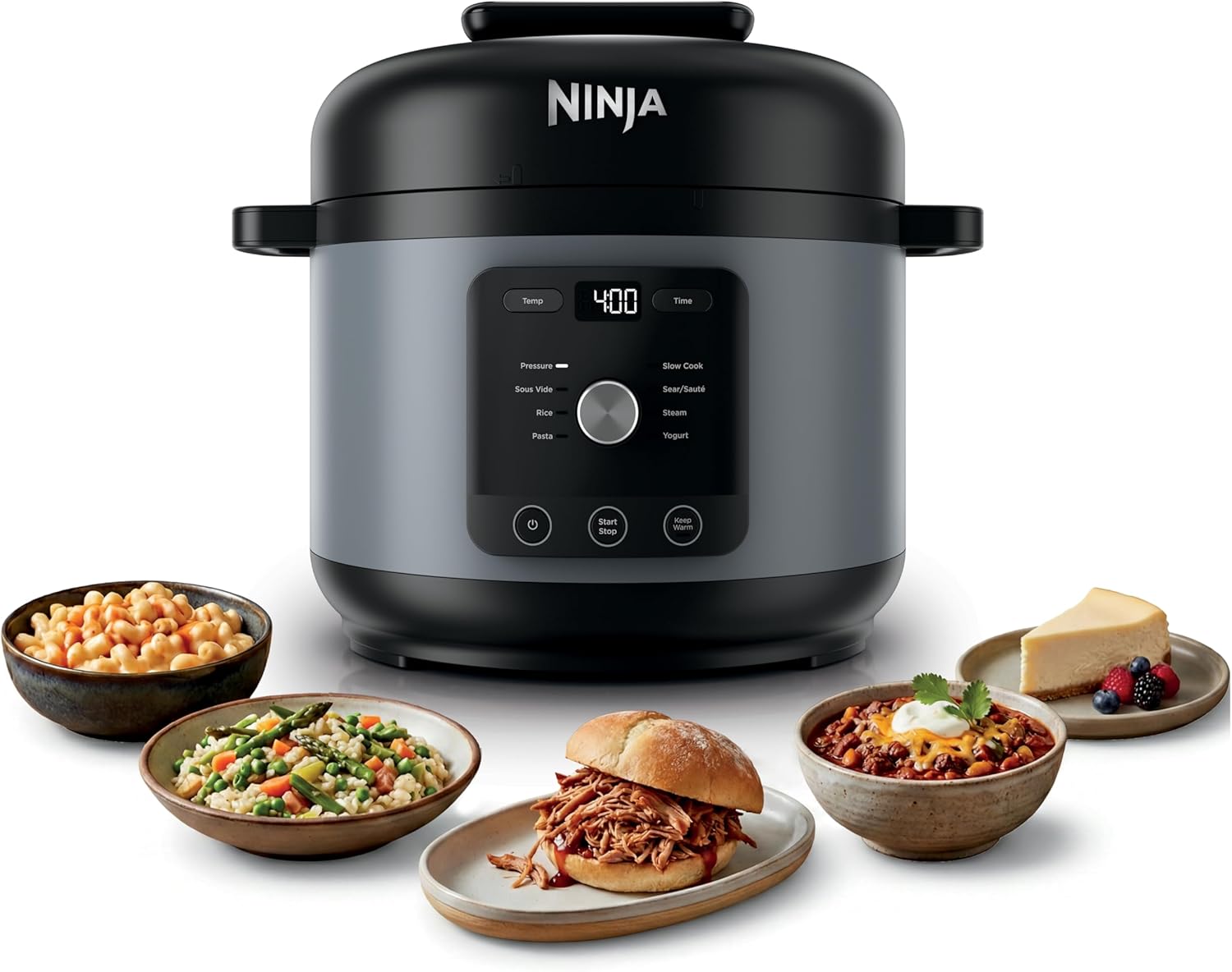
On the other hand, multi-functional pressure systems replace several kitchen gadgets by combining slow cooking, searing, steaming, and pressure capabilities into one chassis. This versatility lets you prepare complex family dinners, grains, and meats alongside boiled eggs using a single countertop base. Weighing whether you need a dedicated breakfast tool or a comprehensive cooking system helps determine the right path for your culinary routines.
Safety Features and Control Mechanisms
Modern countertop appliances incorporate various safety mechanisms to protect users during operation. Automatic shut-off functions are particularly valuable, cutting power to the heating element once the water evaporates or the cooking cycle finishes. Audible indicators alert you the moment your food is ready, preventing accidental overcooking or unattended boiling hazards. These automated controls offer peace of mind, especially during hectic morning routines when attention is divided.
Push-button controls and clear indicator lights further simplify the user experience by making operation intuitive for every family member. Reviewing how a machine manages its cooking cycles helps ensure safe, repeatable results every time you use it. Choosing an appliance equipped with dependable safety shut-offs and clear status alerts ensures a secure cooking environment, minimizing operational mistakes and letting you focus on other morning tasks.
Frequently asked questions
Can I boil eggs inside a standard electric pressure cooker?
Yes, you can prepare eggs in a multi-use pressure cooker by placing them on a steaming rack with the appropriate amount of water. This method utilizes pressurized steam to cook the eggs efficiently. However, dedicated electric egg cookers use pre-measured water levels and automatic shut-off systems specifically calibrated for eggs, whereas pressure cookers offer broader versatility across various grains, meats, and steaming tasks depending on your overall kitchen needs.
How do automatic shut-off egg cookers determine when cooking is complete?
Automatic shut-off egg cookers rely on a precise water measurement system rather than a traditional digital timer. You pour a specific volume of water into the heating plate using a marked measuring cup. Once the heating element boils away all the added water, the temperature rises sharply, triggering the internal thermal sensor or automatic switch to cut power. This straightforward mechanism ensures consistent cooking results without requiring manual timing from you.
What is the main advantage of using a multi-tier egg cooker?
A multi-tier egg cooker increases total cooking capacity by allowing you to prepare up to fourteen hard-boiled eggs simultaneously within a compact footprint. This capability is especially helpful for larger families or weekend brunches where a standard seven-egg limit would require running multiple consecutive batches. Additionally, many multi-tier models include specialized inserts for poaching eggs or making custom omelets, providing greater meal flexibility while maintaining a streamlined countertop storage profile.
Are removable parts on electric egg cookers dishwasher-safe?
Many countertop electric egg cookers feature removable components such as egg trays, poaching inserts, measuring cups, and clear lids that are designed to be dishwasher-safe. This feature simplifies cleanup by allowing you to place non-electric parts directly into the dishwasher after use. However, you should always review the specific manufacturer guidelines for your exact appliance model to confirm which components can safely withstand automatic dishwasher cycles without experiencing structural wear over time.
How do I choose between a dedicated egg cooker and a multi-cooker?
Choosing between a dedicated egg cooker and a multi-cooker depends entirely on your primary culinary goals and available counter space. Dedicated egg cookers provide a compact, single-purpose solution optimized for boiling, poaching, or steaming eggs quickly with minimal setup. In contrast, multi-cookers offer expansive versatility by combining pressure cooking, slow cooking, searing, and yogurt making into one large appliance, though they demand substantially more storage space and counter clearance in your kitchen.