Appliances · Buying Guide
Best bosch 30 induction cooktop choices for modern kitchen upgrades
Upgrading your kitchen workspace often starts with selecting a reliable cooktop that combines rapid heating with precise temperature control. Modern thirty-inch surface options provide ample space for multiple pans while fitting standard kitchen cabinetry cutouts seamlessly. Home cooks seeking efficient meal preparation frequently turn to these powerful electric appliances for daily cooking tasks and family meals.
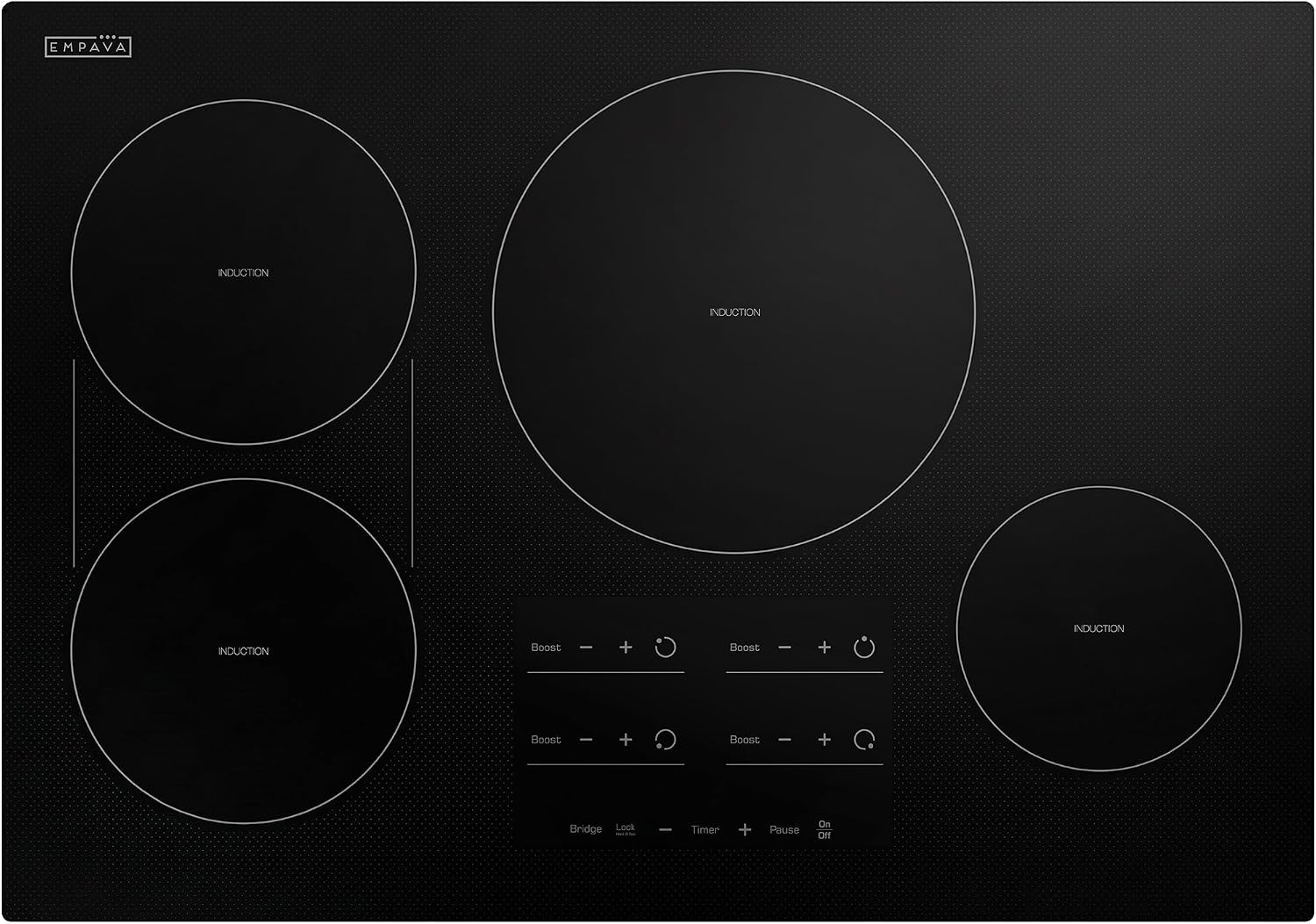
These built-in electric units utilize electromagnetic fields to heat compatible cookware directly, offering a practical alternative to traditional gas or radiant burners. Exploring available models helps you identify helpful features like bridge zones, booster settings, and responsive touch controls that match your daily meal preparation routines and specific kitchen layout preferences without unnecessary complications.
As an Amazon Associate, StacyLaughs earns from qualifying purchases.
Buying guide
Understanding Electrical Requirements and Voltage
Selecting a thirty-inch induction cooktop requires careful evaluation of your home electrical infrastructure. Most models operate on 220 to 240 volts and require a dedicated hardwired connection rather than a standard wall outlet. Reviewing amperage ratings and breaker compatibility ensures safe operation.
Professional installation by a qualified technician is strongly recommended for these high-wattage appliances. Verifying wire gauges and grounding requirements prevents potential electrical hazards and keeps your kitchen setup compliant with local building codes.
Evaluating Cutout Dimensions and Cabinet Fit
Before purchasing an induction cooktop, measure your existing countertop opening with precision. Manufacturers provide specific width, depth, and height requirements for drop-in installation. Comparing these specifications against your countertop cutout avoids costly modifications.
Adequate ventilation space beneath the cooktop is equally crucial for proper airflow and component cooling. Checking cabinet clearance requirements ensures the appliance integrates smoothly without interfering with drawers or lower oven units.
Utilizing Bridge Elements for Large Cookware
Bridge elements offer exceptional versatility by linking two separate cooking zones into a single extended heating area. This feature accommodates long griddles, rectangular grill pans, and oversized roasting dishes effectively, distributing thermal energy evenly across the entire base.
When preparing family meals or hosting gatherings, linked zones simplify cooking pancakes, steaks, or multiple grilled sandwiches at once. Matching your cookware shapes to these bridge configurations maximizes surface contact and heating efficiency.
Managing Power Levels and Booster Settings
Precise heat control is a primary advantage of induction cooking, typically managed through nine or more distinct power levels. These incremental adjustments allow delicate simmering for sauces as well as high-heat searing for meats without scorching.
Booster functions provide temporary bursts of maximum power to boil water rapidly or jump-start cooking tasks. Understanding how power sharing operates between paired zones helps you balance high-output cooking demands effectively.
Maintaining Glass Ceramic and Matte Surfaces
Glass-ceramic and matte cooktop surfaces require proper cleaning habits to maintain their appearance and performance over time. Allowing the surface to cool completely before wiping helps prevent baked-on spills and stubborn residue accumulation.
Using soft cloths or sponges with mild detergents preserves the smooth finish while avoiding abrasive pads that cause scratches. Lifting cookware rather than sliding it across the glass further protects the surface from wear.
Prioritizing Built-In Safety and Control Lock Features
Kitchen safety is enhanced through integrated features such as residual heat indicators, automatic shutoff mechanisms, and pan-detection sensors. Residual heat lights alert you when the glass remains hot after cooking is finished.
Child locks and control lock functions prevent accidental setting changes caused by children or stray touches during cleaning. These protective measures provide greater peace of mind during busy multitasking cooking sessions.
Frequently asked questions
What cookware works best with induction cooktops?
Induction cooktops require magnetic cookware to generate heat through electromagnetic fields. Compatible materials include cast iron and magnetic stainless steel. You can easily verify compatibility by testing the bottom of your pots and pans with a household refrigerator magnet. Non-magnetic materials such as aluminum, copper, regular glass, and ceramic will not work unless they feature an induction-ready magnetic base layer bonded to the bottom.
How does a bridge zone function during meal preparation?
A bridge zone connects two adjacent cooking elements on the same side of the cooktop to create one large, continuous heating surface. This setup uses dual heating coils to distribute heat evenly across oversized cookware like rectangular griddles, grill pans, or large roasting dishes. It allows you to cook long items uniformly without dealing with cold spots between separate burners.
What electrical setup is required for these thirty-inch models?
These thirty-inch induction cooktops require a 220 to 240V hardwired electrical connection utilizing live wires and a ground. They do not plug into standard household wall outlets. Because of the high wattage output, professional installation by a qualified electrician is necessary to ensure the circuit breaker, wiring gauge, and grounding meet local electrical codes and safety standards.
How should the glass ceramic surface be cleaned after cooking?
To clean the glass-ceramic surface safely, always allow the cooktop to cool completely and check that residual heat indicators have turned off. Wipe the surface using a soft cloth or sponge paired with a mild liquid detergent. Avoid abrasive scouring pads, harsh chemical cleaners, and scraping tools that might damage the glass. Lifting cookware rather than sliding it across the top also helps prevent scratches.
What safety features are typically included on these cooktops?
These cooktops incorporate multiple safety functions to protect users during daily meal preparation. Common features include residual heat warning indicators that stay lit until the glass cools down, automatic shutoff mechanisms, and smart pan detection that stops heating when cookware is removed. Child locks and control locks prevent accidental touches, while overflow detection helps manage accidental liquid spills.