Appliances · Buying Guide
Best Breville Joule Sous Vide Alternatives and Precision Cookers
Precision water-bath cooking has transformed how modern home kitchens handle meats, vegetables, and delicate items by circulating heated water at exact, steady temperatures. Choosing the right immersion circulator depends heavily on your available container sizes, heating wattage requirements, and preferred control methods for daily meal preparation tasks and hosting dinners.
Whether you want smart app connectivity, robust commercial-grade construction, or straightforward manual dials, understanding the core specifications of leading models helps streamline your kitchen setup. Exploring these options ensures you select a device matching your specific cooking volume, desired temperature range, and countertop space without unnecessary features getting in the way of preparing great family meals every night.
As an Amazon Associate, StacyLaughs earns from qualifying purchases.
Buying guide
Heating Wattage and Water Capacity
Evaluating heating wattage and water capacity is essential when selecting an immersion circulator for your kitchen. Higher wattage ratings generally allow heating elements to reach target temperatures faster and maintain thermal stability across larger water volumes. Models ranging from eleven hundred to fourteen hundred watts handle standard stockpots efficiently, while commercial units support massive multi-liter baths for larger food quantities.
Matching the device capacity to your typical meal sizes ensures your food cooks evenly without unexpected temperature drops. Reviewing manufacturer vessel limits prevents overloading the circulator during weekend hosting or large family gatherings, giving you consistent results every time you cook your favorite proteins and vegetables.
Control Interfaces and Connectivity
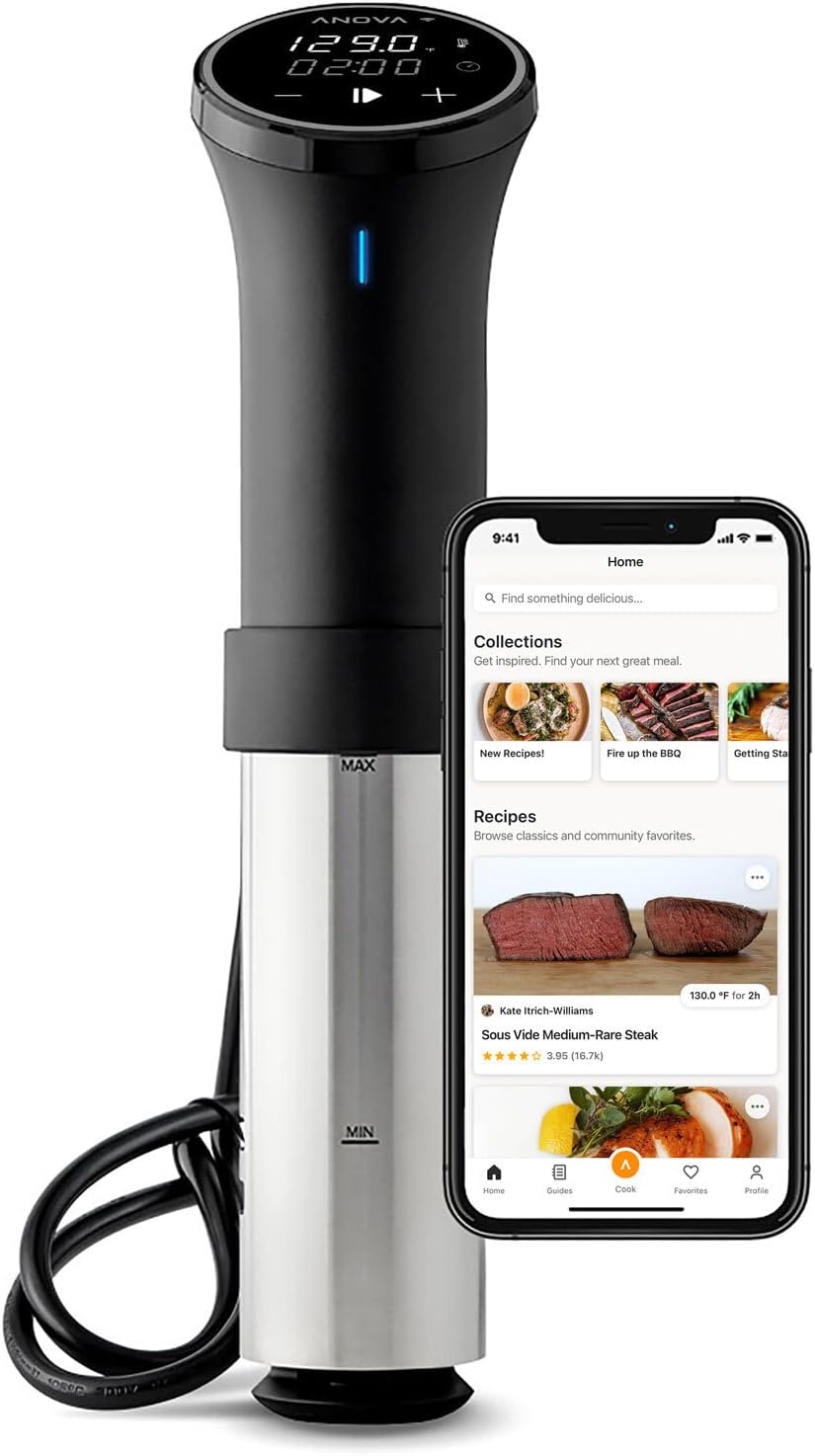
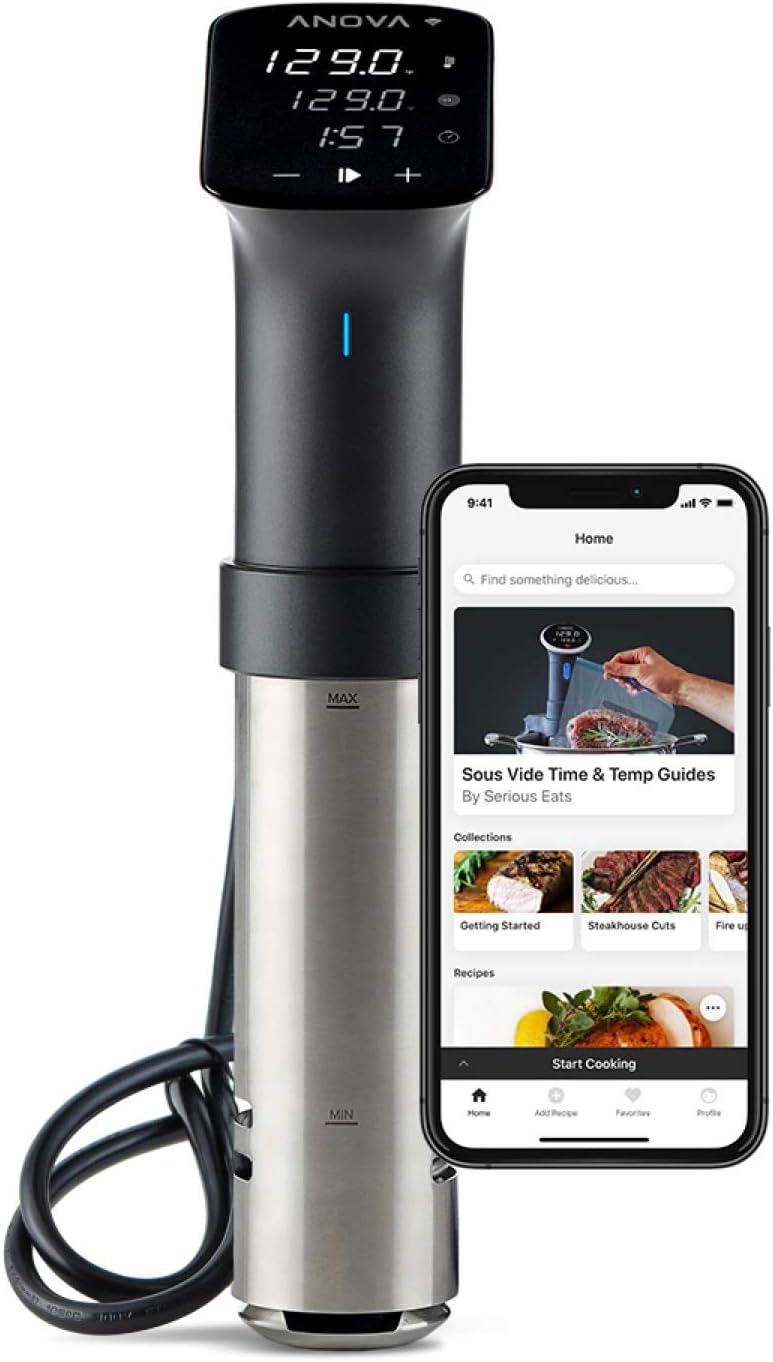
Control interfaces vary significantly between immersion circulators, ranging from straightforward physical dials to advanced touchscreen panels and smartphone applications. App-enabled models offer wireless monitoring, timer tracking, and access to curated guided recipes, allowing you to track cooking progress from another room using reliable dual-band WiFi connections without complex troubleshooting steps.
Conversely, manual dial models eliminate network setup requirements entirely, relying on bright LED screens and local physical buttons for daily temperature adjustments. Choosing between smart connectivity and manual operation depends on your personal comfort with technology and desire for remote alerts during long cooking sessions, ensuring a smooth and stress-free cooking experience every single evening.
Mounting Systems and Pot Compatibility
An adjustable clamp or skirt mechanism is crucial for securing the circulator firmly to your existing cookware collection. Most immersion circulators feature flexible mounting clips designed to attach securely onto standard stockpots, stainless steel vessels, or large food-safe plastic containers of various shapes and depths without requiring any specialized tools.
Verifying minimum water depth requirements ensures the immersion circulator operates safely without triggering low-water safety shutoffs or error lights. A secure mount prevents accidental shifting during long cooking cycles, keeping the heating element fully submerged and stable in the water bath throughout the entire meal preparation process for reliable, consistent results.
Construction Materials and Durability
Durability depends heavily on the specific materials used in the circulator body, exterior housing, and internal motor assembly. Stainless steel skirts and formal waterproof ratings like IPX7 protect internal electronic components from accidental splashes or complete submersion during busy kitchen tasks and routine cleanup procedures in busy cooking spaces.
Premium models often feature robust builds capable of continuous operation for thousands of hours without thermal degradation or mechanical failure. Assessing material quality helps you choose a circulator that withstands frequent weekly use and accidental drops in demanding home or commercial kitchen environments over many years of reliable cooking operation.
Maintenance and Cleaning Requirements
Keeping your immersion circulator clean ensures optimal water flow and extends the lifespan of internal heating components. Many modern circulators feature tool-less disassembly with removable stainless steel skirts, magnetic impellers, and accessible lower housings that make routine washing exceptionally straightforward for home cooks managing busy weekly kitchen schedules.
Checking manufacturer maintenance guidelines helps you determine whether components are dishwasher safe or require careful hand washing routines. Regular cleaning prevents mineral scale buildup from hard water, maintaining efficient thermal circulation across all your future cooking sessions and ensuring reliable device operation.
Storage Footprint and Portability
Storage footprint and portability are vital practical factors if your kitchen cabinet space is limited or if you frequently travel with your cooker. Compact models fit easily into standard kitchen drawers, while commercial-grade circulators require taller storage areas due to their extended overall height and robust housings built for restaurants and large kitchens.
Lightweight designs make transporting the device between different locations convenient for holiday gatherings, weekend trips, or catered outdoor events. Evaluating physical dimensions alongside your available storage options prevents countertop clutter and ensures your circulator has a designated home when not in active use during daily meal preparation routines and special dinners.
Frequently asked questions
How do I choose the right water capacity for a sous vide circulator?
Choosing the correct water capacity depends directly on the volume of food you plan to cook at one time. Smaller circulators handle standard stockpots up to fifteen or sixteen liters, making them ideal for everyday family dinners and single-protein batches. Larger commercial models can manage fifty to one hundred liters when paired with covered containers, accommodating massive quantities for group entertaining or professional kitchen environments. Always check manufacturer guidelines regarding maximum and minimum water lines to ensure proper heating efficiency and safe motor operation during your cooking sessions.
Are immersion circulators difficult to clean and maintain?
Most modern immersion circulators are designed for straightforward maintenance using tool-less disassembly features. Many models include removable stainless steel skirts and magnetic impellers that detach easily for quick hand washing or placement in a dishwasher. Regular cleaning prevents mineral scale buildup from hard water, which helps maintain consistent water flow and heating performance over time. Following manufacturer compatibility guidelines for cleaning ensures your device remains in top working condition without requiring complicated tools or professional servicing during routine kitchen upkeep.
Do I need a smartphone app to operate a sous vide cooker?
A smartphone app is entirely optional for many sous vide cookers, though some models rely on app connectivity for advanced programming or remote monitoring. Units featuring physical dials, touch screens, or local LED displays allow you to set temperatures and timers directly on the device without downloading applications or connecting to wireless networks. If you prefer a simple, app-free experience, manual circulators provide reliable control right from your countertop. Conversely, app-enabled models offer convenient wireless alerts and guided recipes for users who enjoy smartphone integration during meal preparation.
What pots or containers work best with a sous vide immersion circulator?
An immersion circulator can attach to a wide variety of cooking vessels using adjustable clamps or mounting clips. Standard stainless steel stockpots, enameled cast iron Dutch ovens, and food-safe plastic storage containers all work exceptionally well as long as they meet the minimum water depth requirements specified by the manufacturer. Using a covered container helps retain heat and prevent evaporation during extended cooking times, such as overnight roasts. Verifying that your chosen pot provides enough depth for the water flow ensures steady heating performance.
What is the difference between home and commercial sous vide circulators?
Home sous vide circulators are typically compact, lightweight, and engineered for standard family meal preparation with capacities ranging from fifteen to sixteen liters. Commercial-grade circulators feature higher wattages, larger water volume capacities exceeding fifty liters, and robust waterproof ratings designed for continuous, heavy-duty operation in busy professional kitchens. While commercial units deliver rapid heating and exceptional durability, they also possess a larger physical footprint and heavier weight that may exceed typical everyday residential needs. Selecting the right model depends on your cooking volume and storage space.