Appliances · Buying Guide
Best Cabelas Carnivore Meat Grinder Alternatives for Home Processing
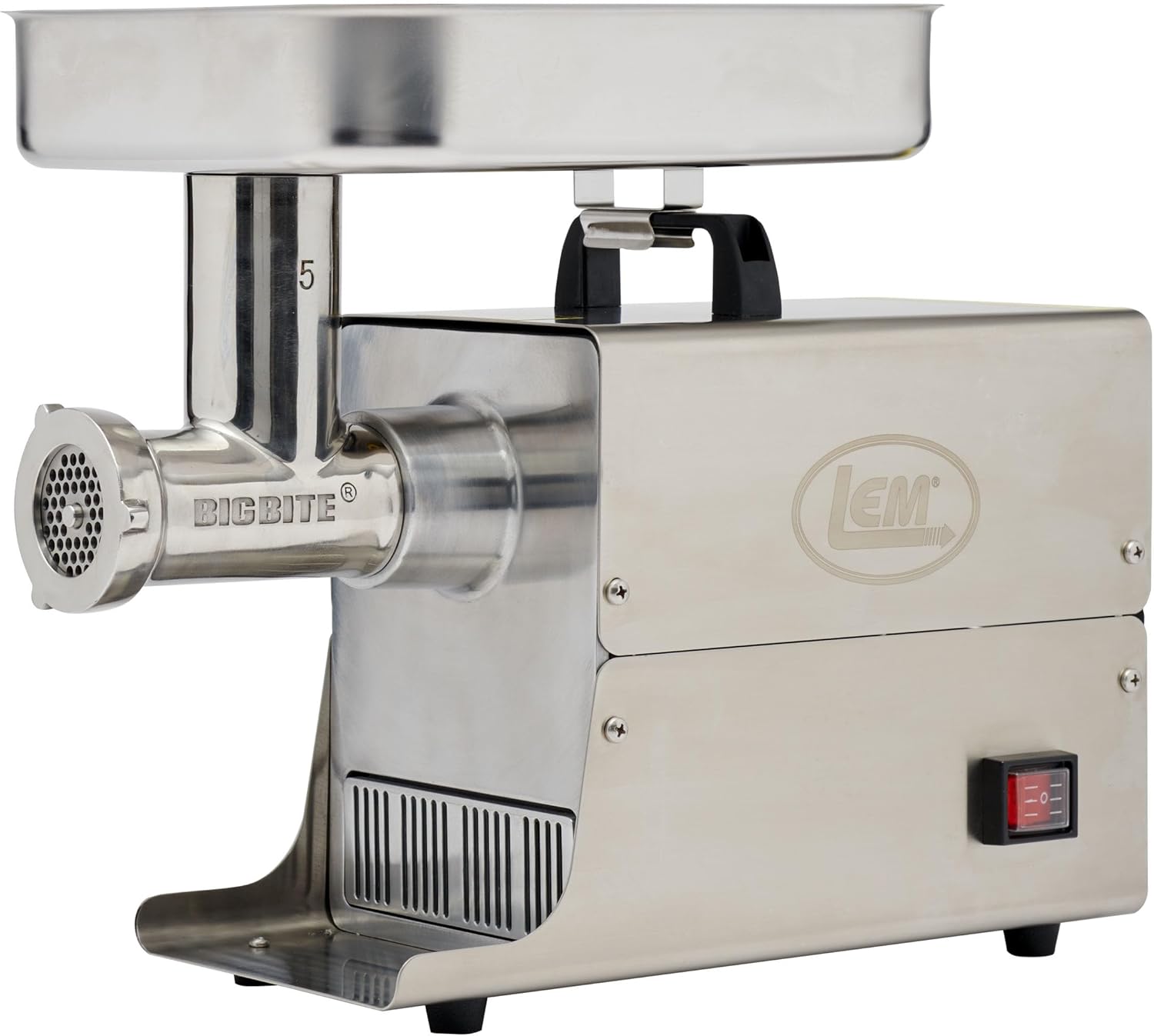
Finding the right equipment to process wild game, bulk cuts, and homemade sausages requires carefully evaluating motor strength, throughput capacity, and durable build materials. When exploring alternative electric choices comparable to a cabelas carnivore meat grinder, shoppers frequently examine stainless steel construction and specialized auger designs that prevent jamming during extended grinding sessions in home or commercial settings.
Selecting an electric meat grinder involves balancing batch sizes with continuous motor output to ensure reliable performance over years of regular use. Whether processing venison after a successful hunt or preparing bulk daily meals, understanding physical dimensions, power ratings, and included accessories helps match the machine directly to your specific kitchen requirements.
As an Amazon Associate, StacyLaughs earns from qualifying purchases.
Buying guide
Motor Power and Horsepower Ratings
Selecting the proper motor rating ensures your electric meat grinder handles chosen ingredients smoothly without stalling or overheating during operation. Units featuring lower horsepower motors around 0.35 to 0.5 HP suit lighter, occasional home meal prep tasks. These motors process modest quantities efficiently while maintaining manageable electrical requirements for standard household wall outlets and regular kitchen use.
For heavy-duty wild game processing or commercial butcher operations, higher ratings ranging from 0.75 to 1.0 HP deliver the necessary torque to process large volumes continuously. Matching motor strength to your expected batch size prevents premature mechanical strain and protects internal gears. Evaluating this power specification directly influences how quickly and reliably you can transition through extensive food preparation sessions.
Processing Capacity and Throughput
Throughput capacity dictates how many pounds of meat a grinder can process per minute or per hour during active food preparation sessions. Smaller residential models typically manage between four and seven pounds per minute, which is ideal for family meals, fresh burgers, and standard sausage-making projects. Understanding these operational rates helps you estimate overall project completion times accurately before you begin processing.
Commercial-grade machines scale this output drastically, delivering hundreds of pounds per hour to accommodate professional butchers and hunters managing large seasonal game harvests. Assessing your typical batch size helps determine whether a moderate minute-rate grinder or an industrial hourly output machine best fits your processing workflow and time constraints. Higher throughput reduces total manual labor duration significantly.
Construction Materials and Hygiene
Full stainless steel construction offers exceptional durability, rust resistance, and a food-safe surface for preparing raw meats safely. Units featuring stainless steel bodies, cutting heads, augers, and trays withstand rigorous, repeated use without degrading over time. This robust material choice ensures that components maintain structural integrity under heavy pressure from dense meat cuts.
Furthermore, smooth metal surfaces simplify the cleaning process by allowing users to disengage and wash parts thoroughly after every session. Proper hygiene maintenance prevents bacterial buildup and extends the overall functional lifespan of your grinding equipment. Prioritizing stainless steel components guarantees long-term reliability and safe food handling practices across countless processing cycles.
Auger Design and Clog Prevention
Precision-engineered auger designs play a vital role in maintaining a steady, high-capacity meat intake without requiring excessive manual pushing force from the operator. Advanced auger geometry pulls ingredients smoothly toward the cutting blade and grinding plates, effectively reducing frustrating jams and operational interruptions during big batches. This mechanical efficiency keeps workflow moving forward steadily.
When processing tougher cuts, wild game, or fibrous meats, an efficient auger ensures consistent material flow and prevents food from backing up inside the grinding head. Choosing a machine with an optimized auger design significantly improves overall processing speed and minimizes user fatigue during large grinding tasks. Reliable intake mechanisms protect internal components from undue stress.
Included Accessories and Attachments
A complete accessory kit enhances the versatility of an electric meat grinder right out of the box for various meat preparation projects. Standard inclusions typically feature multiple stainless steel grinding plates for coarse or fine textures, a dedicated cutting blade, and a durable meat stomper for safe feeding. Having these foundational tools ready simplifies immediate kitchen setup.
Additionally, the inclusion of sausage stuffing tubes in varying millimeter diameters allows users to craft homemade sausages directly using the primary grinder setup. Evaluating which accessories come bundled with the machine saves you from purchasing extra components separately and broadens your ability to process customized meat blends immediately upon delivery.
Physical Footprint and Storage Requirements
Physical dimensions and overall unit weight heavily influence where you can position your meat grinder and how easily you can store it between uses. Compact residential models feature smaller footprints that fit conveniently on standard kitchen countertops during occasional meal preparation tasks without dominating available workspace. This makes them ideal for residential kitchens with restricted storage capabilities.
Conversely, heavy-duty commercial machines weighing nearly sixty pounds require dedicated, permanent workspaces and robust support surfaces due to their large size and electrical demands. Assessing your available kitchen or workshop storage space ensures you select a grinder whose physical dimensions align practically with your daily living and working environment.
Frequently asked questions
Can I grind bones in these electric meat grinders?
Most electric meat grinders are explicitly designed for processing boneless meats, beef, pork, poultry, and venison, and they cannot handle hard bones safely. However, select heavy-duty models explicitly state the ability to process raw chicken bones without sustaining mechanical damage. Always review the specific manufacturer guidelines for your chosen model before attempting to grind any bones, as improper use can strain the motor, dull cutting blades, or void warranty coverage entirely.
How do I clean my stainless steel meat grinder after use?
Cleaning your stainless steel meat grinder requires disassembling all removable parts, including the grinding head, auger, cutting blade, grinding plates, and meat tray, immediately after processing. Wash these components thoroughly using warm water and mild dish soap to remove all food residues. Ensure every part is completely dry before reassembling or storing the machine. Following manufacturer compatibility guidance for maintenance prevents rust, ensures optimal hygiene, and preserves the operational longevity of your equipment across future uses.
What is the benefit of a noise-dampening design?
A noise-dampening design incorporated into electric meat grinders helps reduce the operating sound level during active food preparation sessions. Processing meat can generate significant mechanical noise, particularly when running motors continuously for large batches or seasonal wild game harvests. Units equipped with noise-dampening features provide a quieter environment in your kitchen or workspace, making extended grinding tasks much more comfortable for the operator and anyone else nearby sharing the same indoor room.
What accessories are typically included with these grinders?
These electric meat grinders typically include a comprehensive accessory kit designed to support various food preparation tasks right out of the box. Common inclusions consist of multiple stainless steel grinding plates offering different texture options, a sharp cutting blade, a dedicated meat stomper for safe ingredient feeding, and several sausage stuffing tubes in varying outer diameters. These bundled attachments allow users to grind custom burger blends and craft homemade sausages without requiring immediate additional purchases.
How do I choose between a minute-rate and hourly-output grinder?
Choosing between a minute-rate grinder and a high-volume hourly-output machine depends directly on your typical batch sizes and processing frequency. Minute-rate models processing four to eleven pounds per minute suit family meals, home cooks, and hunters managing standard household quantities. Conversely, industrial machines yielding hundreds of pounds per hour are engineered for professional butchers, commercial kitchens, and massive game harvests. Evaluating your specific volume needs ensures you select a machine matching your workflow.