Appliances · Buying Guide
Best Cheap Rice Cooker: Top Budget Picks for Fluffy Grains
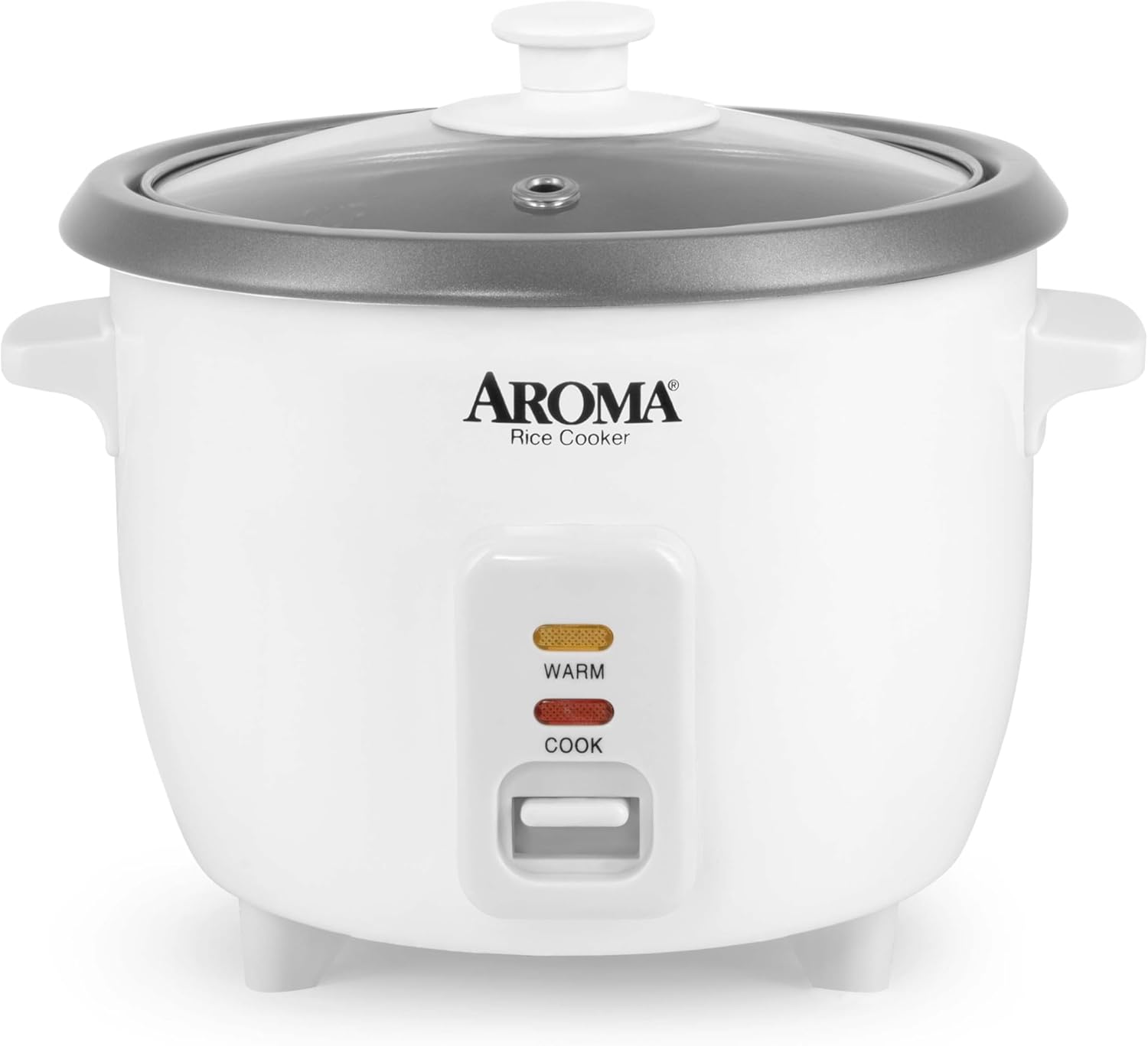
Finding the best cheap rice cooker transforms how you prepare everyday meals without straining your budget. These compact appliances take the guesswork out of grain preparation, delivering consistent results automatically.
Whether you need a compact single-serve machine or a versatile multi-cooker for family sides, budget-friendly options offer reliable performance, simple digital or switch interfaces, and easy cleanup features.
As an Amazon Associate, StacyLaughs earns from qualifying purchases.
Buying guide
Understanding Capacity Requirements
Choosing the right capacity prevents overflow and ensures you prepare enough food for your household. Rice expands significantly during cooking, usually doubling in volume.
Small two-cup models suit single individuals, while four-cup uncooked units yield enough portions for small families. Match the raw grain rating to your typical meal size.
Evaluating Inner Pot Materials
Inner pot materials directly impact food release and cleanup effort after cooking sticky grains. Nonstick coatings prevent rice from scorching onto the bottom surface.
Ceramic options provide alternative nonstick surfaces without certain chemical additives, while standard nonstick bowls often permit dishwasher cleanup for added convenience.
Digital Controls Versus Simple Switches
Control interfaces dictate how much customization you have over your cooking cycles. Digital panels offer preset menus for brown rice, quinoa, and oatmeal.
Mechanical switch models operate with a single lever, offering straightforward reliability for everyday white rice preparation without navigating complex menus.
Assessing Cleanup and Maintenance
Maintenance needs vary depending on whether the appliance components are dishwasher safe. Removable pots and accessories simplify post-meal cleanup routines significantly.
Always check manufacturer care guidelines, as ceramic or stainless steel housings often require gentle hand washing to preserve exterior finishes.
Weighing Extra Cooking Functions
Many modern budget cookers include bonus features like steaming trays, slow cook modes, and delay timers. These additions expand your appliance utility.
If you plan to steam vegetables or meats while grains cook, look for models bundled with a dedicated steam basket and preset programs.
Countertop Footprint and Storage
Kitchen counter space dictates the maximum physical dimensions your appliance can occupy. Compact mini cookers tuck easily into tight cabinets or dorm shelves.
Measure your available vertical and horizontal space before purchasing to ensure the unit fits comfortably beneath upper kitchen cabinets.
Frequently asked questions
How do I measure rice correctly for these cookers?
Always use the specific measuring cup included with your rice cooker rather than standard kitchen measuring cups. Standard cup sizes differ, and manufacturers calibrate their water fill lines specifically to match the proprietary scoop provided in the box.
Can I cook grains other than white rice in a budget cooker?
Yes, many budget cookers handle brown rice, quinoa, and oats. Models with specific digital presets optimize temperature cycles for tougher grains, while basic models may require slight adjustments to water ratios as detailed in the manufacturer manual.
What does the automatic keep-warm feature do?
The automatic keep-warm function engages as soon as the cooking cycle finishes, holding your grains at a safe serving temperature. This prevents rice from cooling down or drying out too quickly if you are not ready to serve immediately.
Are nonstick inner pots difficult to clean after cooking sticky rice?
Nonstick and ceramic inner pots release cooked rice easily, preventing stubborn residue buildup. Many pots are dishwasher safe, while others require gentle hand washing with a soft sponge to protect the nonstick coating from scratching.
How do I prevent water from bubbling over during the cooking cycle?
Preventing overflow requires using the exact rice-to-water ratio recommended in your user manual. Adding too much water or exceeding the maximum uncooked grain capacity will cause starch bubbles to push past the lid vent.