Appliances · Buying Guide
Best chefsteps joule sous vide alternatives for precision cooking
Achieving exact temperatures when cooking proteins and vegetables transforms ordinary ingredients into tender, evenly cooked meals without the risk of overcooking. Immersion circulators attach to standard pots, heating and moving water continuously to maintain a stable environment from edge to edge.
Exploring different immersion circulator designs helps home cooks match a device to their kitchen routines, whether they prefer smartphone monitoring or straightforward manual dials. Reviewing specifications like wattage, physical dimensions, and interface styles clarifies how each machine fits into daily food preparation.
As an Amazon Associate, StacyLaughs earns from qualifying purchases.
Buying guide
Understanding Wattage and Heating Speed
Heating power directly affects how quickly an immersion circulator brings a pot of water to the target cooking temperature. Models rated around 1000 to 1200 watts heat water rapidly, reducing prep time before food goes into the bath. Higher wattage also helps maintain stable temperatures when dropping cold or frozen items into the vessel.
Lower wattage options around 850 watts take slightly longer during initial preheating phases. Home cooks working with larger pots benefit from higher wattage ratings, while smaller vessels pair efficiently with moderate power levels without sacrificing performance during everyday dinners.
Evaluating Water Bath Capacity
Water bath capacity determines the total volume of liquid a circulator can effectively heat and circulate. Standard home models typically handle between 15 and 16 liters, which accommodates several steaks, chicken breasts, or vegetable pouches at once. Reviewing maximum capacity limits helps prevent overloading the heating element.
Heavy-duty commercial-style circulators manage up to 50 liters in covered containers, suiting large family gatherings or bulk meal prep. Matching the device capacity to typical cooking batch sizes ensures steady water flow and even heat distribution around every sealed food package.
Comparing App Connectivity and Manual Controls
Control methods range from simple physical dials and touch screens to smartphone apps utilizing Wi-Fi or Bluetooth. Manual interfaces let users set time and temperature directly on the appliance counter without dealing with software pairings or user accounts. This approach appeals to cooks who value straightforward operation.
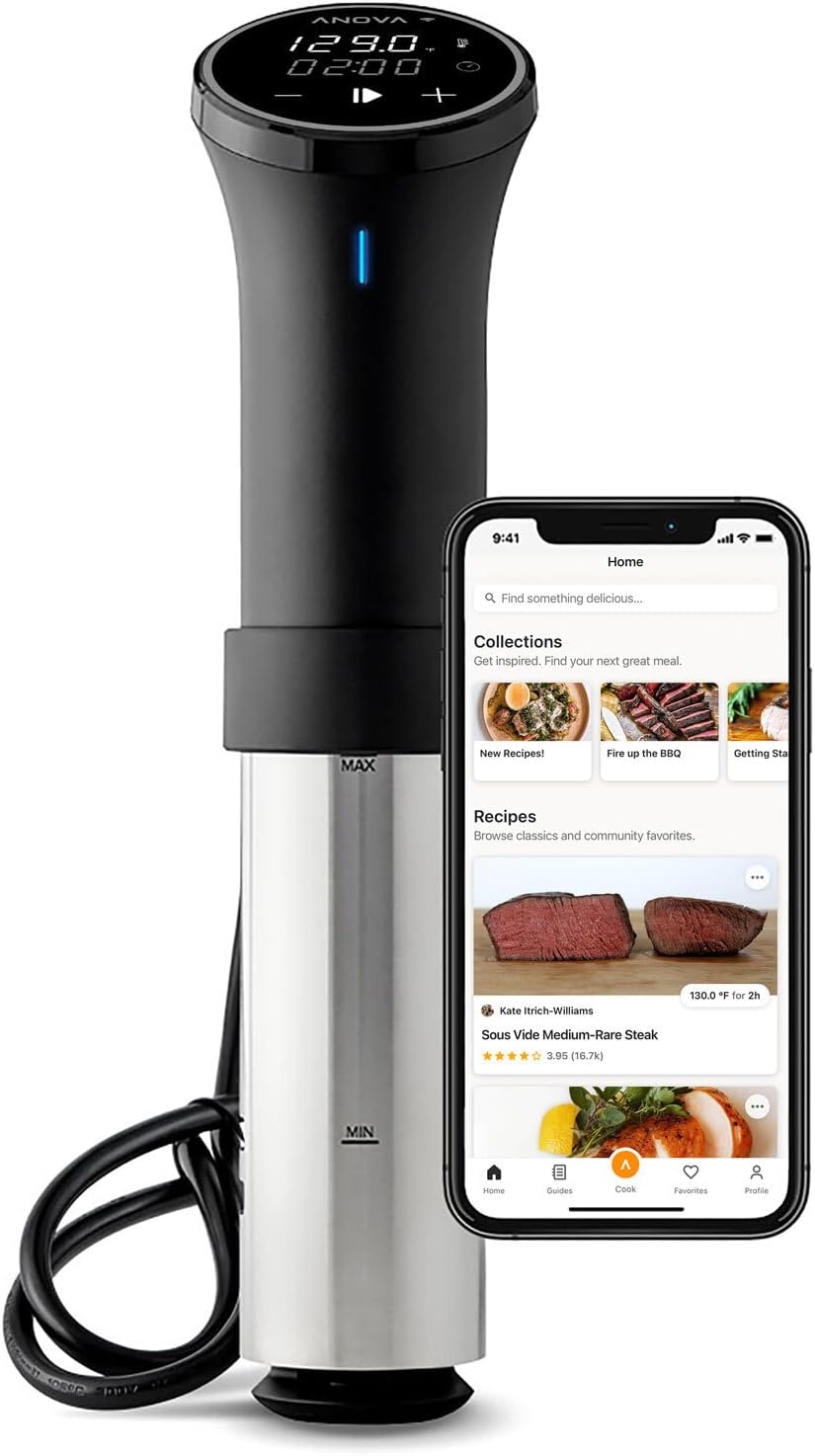
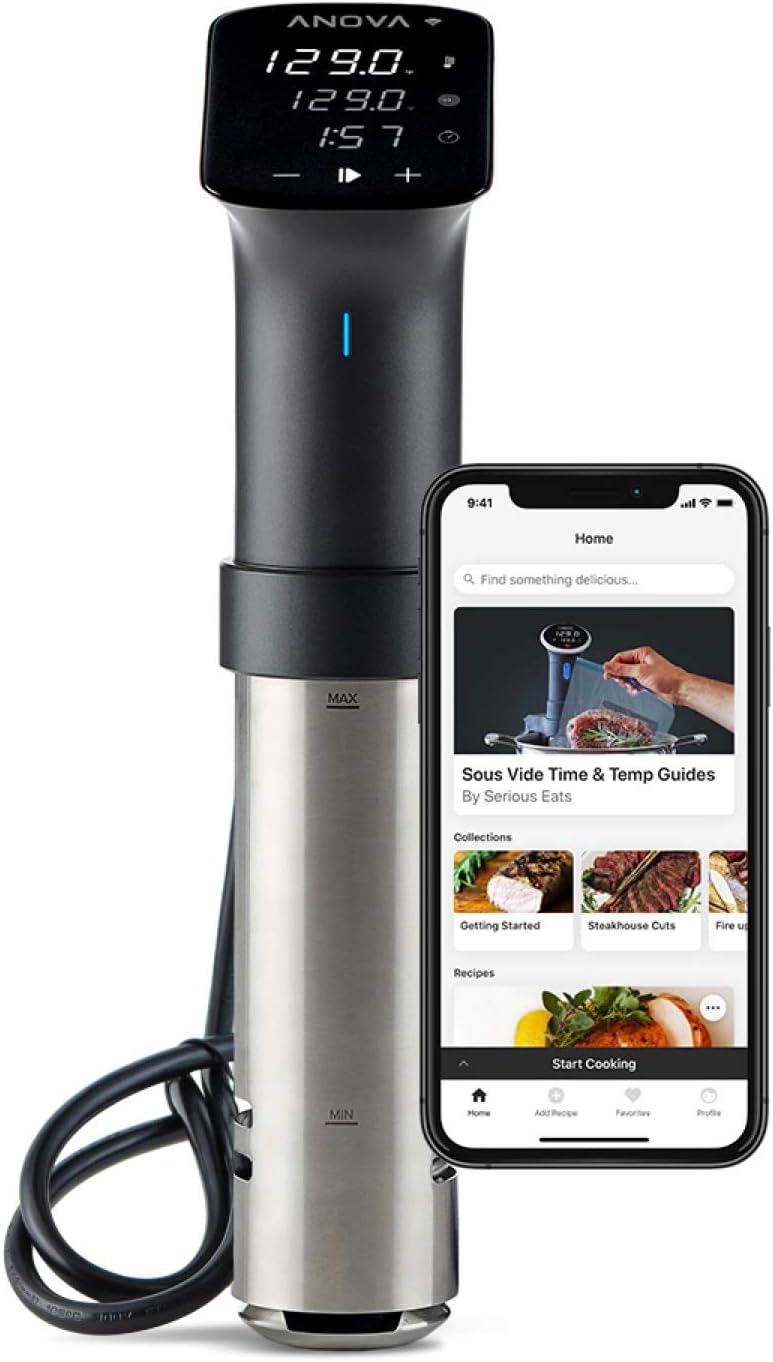
Connected models allow remote monitoring and provide access to digital recipe libraries through mobile applications. Wi-Fi enabled devices let users check progress away from the kitchen, while Bluetooth versions require proximity to the appliance for wireless updates and adjustments.
Assessing Physical Dimensions and Pot Compatibility
Physical dimensions dictate how a circulator fits inside storage drawers and attaches to various cooking vessels. Adjustable clamps secure the device to pot rims of differing thicknesses, while minimum and maximum water depth lines dictate the required volume of liquid in the container.
Taller circulators require deeper pots to satisfy immersion requirements safely. Reviewing device height and depth measurements ensures the appliance integrates smoothly with pots and storage spaces already available in the kitchen.
Maintenance and Removable Housing Designs
Regular cleaning keeps immersion circulators operating smoothly by preventing mineral buildup from hard water. Devices featuring removable stainless steel skirts or sleeves allow users to detach the lower housing quickly for hand washing or dishwasher cycles.
Exposed heating coils and internal pump shafts require periodic wiping to remove food residue or scale deposits. Choosing a model with detachable metal components simplifies routine upkeep and extends the working lifespan of the appliance.
Monitoring Alerts and Safety Mechanisms
Safety features such as automated shut-off mechanisms protect the circulator if water levels drop below safe operating thresholds. Audible alarms and flashing status lights notify users when target temperatures are reached or timers finish their countdown cycles.
Clear visual indicators, such as color-changing LED lights, let cooks monitor appliance status from across the room. These monitoring tools provide reassurance during long, unattended cooking sessions involving roasts or overnight yogurt fermentation.
Frequently asked questions
Do I need a smartphone app to operate a sous vide circulator?
Not all immersion circulators require a smartphone app for operation. Many models feature physical dials, touch screens, or LED panels that allow you to set time and temperature directly on the device. App-enabled models offer extra features like remote Wi-Fi monitoring and digital recipe guides, but manual circulators work entirely on their own using built-in controls.
How do I clean mineral buildup on my immersion circulator?
Mineral scale from tap water can accumulate on the heating element and stainless steel skirt over time. To clean it, manufacturers typically recommend running the circulator in a container filled with a mixture of water and food-safe descaling solution or white vinegar. Detachable stainless steel sleeves can also be removed and washed in the dishwasher or by hand.
What size pot do I need for a standard sous vide cooker?
Standard home immersion circulators generally require pots holding 15 to 16 liters of water. The pot must be deep enough to satisfy the minimum water depth line indicated on the appliance while leaving enough room for food pouches without overflowing. Stockpots, plastic food storage containers, and dedicated sous vide tubs all work well depending on batch size.
Can a sous vide circulator run continuously for multi-day recipes?
Certain heavy-duty circulators are engineered for continuous operation lasting thousands of hours without shutting down. However, standard home models are designed for typical meal prep sessions lasting from a few minutes up to 99 or 100 hours. Always check the specific timer limits and operational guidelines of your chosen device before attempting extended multi-day cooks.
What happens if the water level drops too low during cooking?
Most modern immersion circulators include low-water protection mechanisms that automatically stop heating and trigger an alarm or change status light colors if the water level falls below the minimum line. To resume cooking, you simply add more water to bring the level back up and reconfirm your settings on the device or app.