Appliances · Buying Guide
Best Cooking With Induction Cooktop Options: Finding Your Ideal Portable Burner

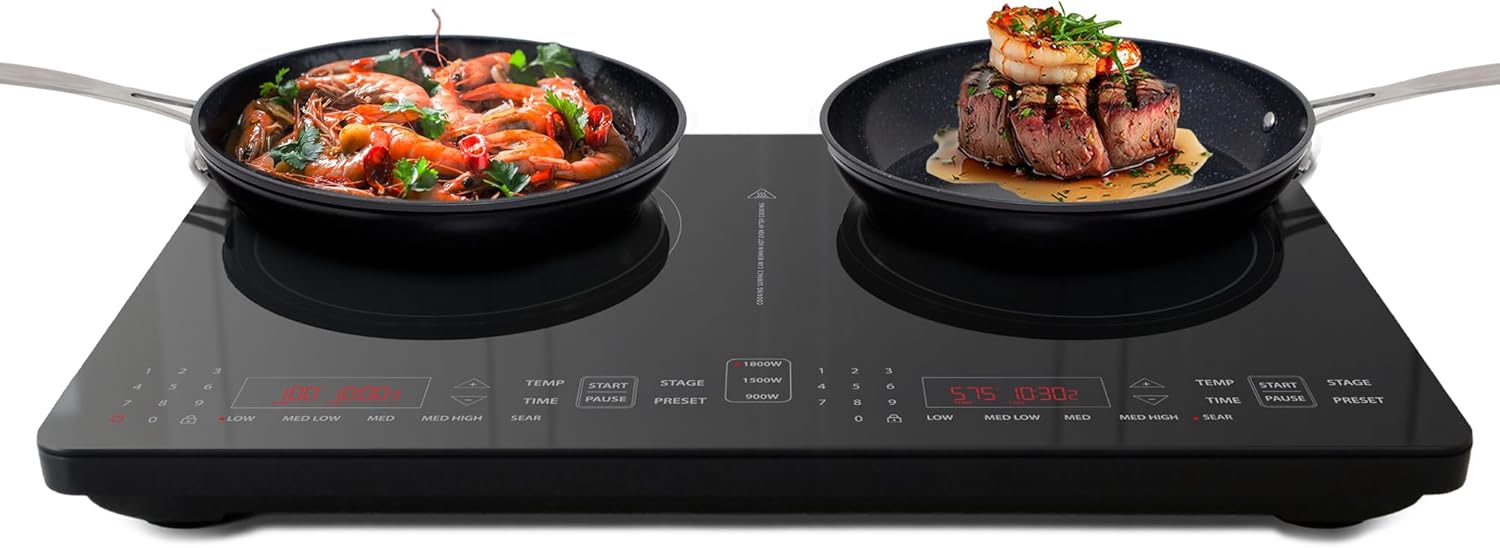
Cooking with induction cooktop models offers an efficient alternative to traditional gas or electric ranges by transferring heat directly to compatible cookware through magnetic energy. These portable appliances heat up rapidly while keeping the surrounding surface cool, making them popular additions to small apartments, RVs, cabins, and supplementary kitchen setups. Choosing the right cooktop depends on evaluating available counter space, power requirements, and whether single or dual-zone heating best matches your daily meal preparation routines.
Understanding how induction technology operates helps streamline your purchasing decision. Because these cooktops rely entirely on magnetic interaction, compatible pots and pans made from cast iron or magnetic stainless steel are mandatory. Manufacturers design these units with diverse features ranging from precise temperature adjustments and preset cooking modes to built-in safety child locks and digital timers. Exploring the specific attributes of various portable induction burners ensures you select a reliable appliance tailored to your exact kitchen space and cooking preferences.
As an Amazon Associate, StacyLaughs earns from qualifying purchases.
Buying guide
Evaluating Power and Wattage Requirements
Most standard portable induction cooktops operate at 1800 watts, utilizing normal 120-volt household electrical outlets found across North America. When choosing a model, consider how power is distributed, especially on dual-burner appliances. Some units share total wattage between zones, while others dynamically shift energy to maintain boiling temperatures on one side while simmering on another.
Reviewing power levels helps determine how finely you can adjust heat for delicate tasks like melting chocolate or searing meats. Units offering twenty distinct power steps provide granular control, whereas models with eight settings offer simpler adjustments for everyday boiling and frying routines.
Assessing Single Versus Dual Burner Layouts
Your available counter space and typical cooking habits dictate whether a single or double induction cooktop fits your kitchen. Single burners take up minimal room, making them ideal for dorms, RVs, and small studio apartments where storage space is at a premium.
Dual-burner models let you multitask by preparing two dishes at different temperatures simultaneously. However, they require substantially more counter space and often manage total electrical output to prevent overloading standard household circuits during high-heat operation.
Verifying Cookware Compatibility and Material
Induction cooking relies entirely on magnetic energy transfer, meaning your existing pots and pans must feature magnetic flat bottoms. Materials like cast iron, enameled iron, and magnetic stainless steel work seamlessly, whereas aluminum and copper pots without magnetic bases will not heat.
Checking manufacturer diameter guidelines is equally important. Most induction coils require cookware bases between 4.7 and 9.4 inches across. Testing your current collection with a small refrigerator magnet helps confirm compatibility before purchasing a new cooktop.
Understanding Temperature Ranges and Control Types
Temperature control precision varies across induction cooktops, with ranges spanning from low keep-warm settings around 50 degrees Fahrenheit up to high searing temperatures near 575 degrees Fahrenheit. Examine whether a unit uses touch panels, digital sliders, or physical knobs.
Touch panels offer smooth, edge-to-edge glass surfaces that wipe clean easily without trapping food debris. Conversely, hybrid models featuring physical knobs combined with touch controls provide tactile feedback that some home cooks prefer during active meal preparation.
Prioritizing Safety and Convenience Features
Safety mechanisms are essential when operating high-wattage countertop appliances. Look for integrated child locks that prevent accidental settings changes, automatic pan detection systems that shut the unit off when cookware is removed, and residual heat indicators.
Built-in timers ranging from three hours up to ninety-nine hours add significant convenience for unattended simmering or long braising tasks. Overheat protection and voltage warning systems further safeguard the appliance during extended cooking sessions.
Factoring Portability and Physical Dimensions
Physical dimensions and weight dictate how easily you can transport or store your induction cooktop. Lightweight single burners weighing under seven pounds store effortlessly inside cabinets or travel well for outdoor events and cabin trips.
Larger dual-zone units require dedicated counter space and higher weight capacities, often supporting up to twenty-five pounds per burner to accommodate heavy cast-iron griddles and large stockpots without stability issues.
Frequently asked questions
What types of cookware work on an induction cooktop?
Induction cooktops require magnetic cookware to function properly. Compatible materials include cast iron, enameled iron, steel, and magnetic stainless steel with flat bottoms. Aluminum, copper, and glass cookware without a magnetic base will not heat up. You can easily test your existing pots and pans by holding a small refrigerator magnet against the bottom; if it sticks firmly, the cookware is ready for induction use.
Can a portable induction cooktop replace a full kitchen stove?
A portable induction cooktop can effectively handle everyday boiling, frying, simmering, and searing tasks, making it a practical primary cooking appliance for RVs, cabins, and small studio apartments. However, single-burner models limit you to cooking one dish at a time, while dual-burner models provide two heating zones. If your daily meal preparation involves managing multiple large pots and pans simultaneously, a full range offers more expansive simultaneous cooking capacity.
Why does my induction burner make a high-pitched sound?
High-pitched sounds during induction cooking typically originate from the cookware rather than the appliance itself. When pots and pans are constructed with multiple layers of sandwiched metals or loose bonded bases, the rapid magnetic energy transfer can cause microscopic vibrations in the metal layers. Using heavy-bottomed, solid single-material cookware or reducing the power level often minimizes or eliminates these operational noises during high-wattage boiling.
How do I clean and maintain the ceramic glass surface?
Cleaning an induction cooktop surface is straightforward because the glass surrounding the burner element does not get hot enough to bake on spilled food. After allowing the cooker to cool down completely, simply wipe the smooth ceramic or tempered glass surface with a damp cloth or sponge. For stubborn residue, manufacturer guidelines recommend non-abrasive cleaners designed specifically for ceramic glass cooktops to maintain the polished finish without scratching.
What safety features should I look for in an induction burner?
Key safety features to look for include automatic pan detection, which shuts the unit off if no cookware or incorrect cookware is placed on the element. Child safety locks prevent accidental temperature or timer adjustments while cooking. Overheat protection, voltage warning systems, and residual heat indicators provide additional peace of mind by alerting you to hot surfaces and protecting internal electrical components during extended high-heat cooking sessions.