Appliances · Buying Guide
Best Costco Ice Cream Maker Choices for Homemade Desserts
Finding the right appliance to create frozen desserts at home involves matching machine capabilities to your kitchen counter space, household size, and specific recipe preferences. Whether you want a built-in compressor model that freezes ingredients automatically or a compact processing system that transforms pre-frozen bases, understanding the core functional differences helps narrow down your choices for everyday use.
Different countertop machines offer distinct capacities, physical footprints, and automated programs designed to simplify dessert preparation across various styles. Reviewing the core specifications of available appliances allows you to select a setup that aligns with your household dessert habits without unnecessary complications, extensive preparation steps, or operational guesswork during routine kitchen tasks.
As an Amazon Associate, StacyLaughs earns from qualifying purchases.
Buying guide
Freezing Technology Types
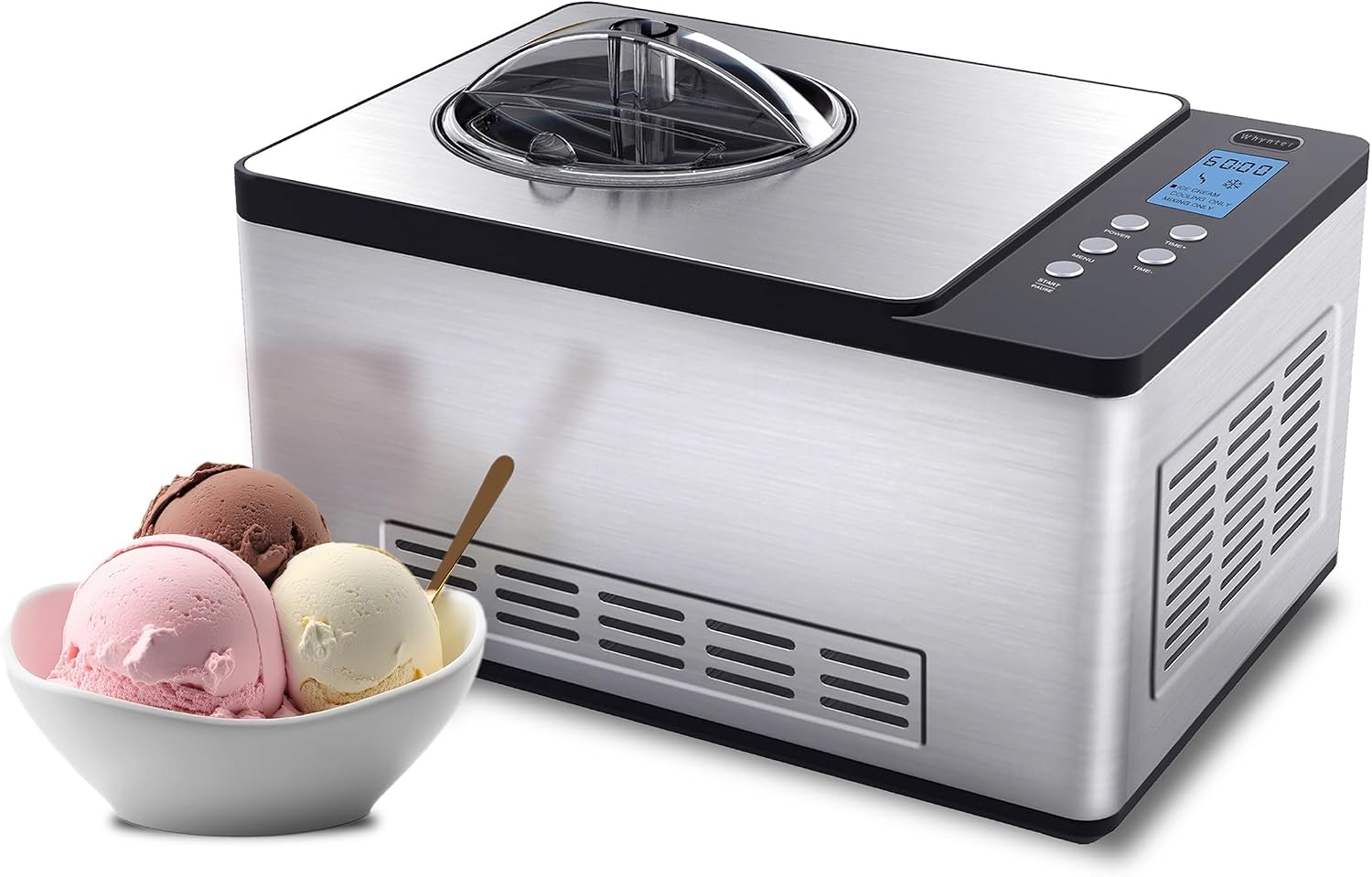
Selecting between compressor-based machines and pre-freezing pint systems depends entirely on your scheduling habits and kitchen workflow. Compressor models chill ingredients actively during the churning process, allowing you to make multiple batches consecutively on the same day without prior planning. This active cooling removes the waiting period associated with traditional bowl setups.
Conversely, processing systems that rely on frozen pints require advanced preparation by chilling base mixtures for twenty-four hours before spinning. While this requires more foresight, these units often achieve ultra-smooth textures through high-speed paddle mechanisms. Evaluating how far in advance you prefer to plan your desserts clarifies which freezing method fits your lifestyle best.
Capacity and Batch Yield
Household size dictates the ideal capacity you should look for in a countertop dessert maker. Smaller sixteen-ounce pint containers work well for single servings or personalized flavor experiments, letting individuals test unique dietary recipes without excess leftovers. These compact portions fit easily into standard freezer storage compartments during the initial chilling phase before processing begins.
Larger two-quart machines provide substantially higher yields, accommodating families or entertaining occasions where multiple servings are needed at once. A higher capacity reduces the need to run sequential batches when serving groups, though it requires more permanent storage space on counters. Matching container volume to your typical serving size ensures efficient dessert preparation every time.
Countertop Footprint and Dimensions
Kitchen space limitations heavily influence whether a vertical or horizontal appliance design is most appropriate for your workspace. Upright models use a tall vertical profile to minimize the horizontal counter area they occupy, making them suitable for restricted surfaces. However, vertical machines require careful measurement of overhead cabinet clearance before permanent placement on counters.
Horizontal units distribute weight and width differently, which might require more surface space but often sits comfortably beneath standard upper cabinetry. Reviewing specific length, width, and height dimensions helps prevent placement issues in kitchens with tight spatial constraints. Choosing the right physical form factor keeps your workspace organized, visually clean, and easily accessible during daily cooking routines.
Cleaning and Maintenance Requirements
Appliance maintenance varies significantly based on whether a machine features dishwasher-safe parts or requires manual hand washing. Models equipped with top-rack dishwasher-safe pints, lids, and paddles simplify post-dessert cleanup by letting automated cycles handle sticky residue. This convenience reduces the physical effort required after preparing rich, sugary, or dairy-heavy frozen treats in your kitchen.
Other machines specify hand wash only instructions for removable stainless steel bowls and churn blades to protect specialized materials. While manual washing takes a few extra moments at the sink, it helps preserve the finish of metal components over years of regular use. Understanding these maintenance duties ensures you select an appliance matching your cleaning preferences.
Programmability and Control Features
Modern dessert makers incorporate digital displays, programmable timers, and one-touch presets to remove guesswork from the freezing and processing cycle. Units with multiple dedicated programs automatically adjust speed and pressure for specific textures like gelato, sorbet, or milkshakes. These built-in presets allow users to achieve consistent results without manually monitoring clock timers during operation.
Simpler analog or basic digital controls offer straightforward operation for users who prefer manually setting run times via an LCD display. Audible timers signal when a batch is complete, preventing over-processing and ensuring motor protection functions engage properly. Evaluating how much automated programming you desire helps streamline your dessert-making experience from start to finish.
Ingredient Customization and Mix-Ins
Controlling base ingredients allows you to tailor frozen treats to specific dietary requirements, such as dairy-free, low-sugar, vegan, or high-protein recipes. Machines that let you build custom pints from scratch give you total freedom over what goes into your dessert. This capability is especially beneficial for households managing food allergies or specific nutritional goals daily.
Adding mix-ins like chocolate chips, nuts, or fruit is supported through dedicated mix-in programs or built-in ingredient funnels. Dedicated programs distribute mix-ins evenly throughout processed pints, while funnels let you drop pieces directly into the churning bowl. Assessing how you prefer to incorporate extra flavors ensures your chosen machine satisfies your creative dessert preferences.
Frequently asked questions
Do I need to pre-freeze containers before using an ice cream maker?
Whether you need to pre-freeze containers depends entirely on the specific mechanical design of the ice cream maker you choose. Models featuring self-contained built-in compressors chill the ingredients actively as they churn, eliminating the requirement to store bowls in a freezer overnight. Conversely, processing systems that transform frozen pint bases require you to freeze your prepared mixture for a full twenty-four hours before spinning. Reviewing the operational requirements of each appliance ensures you select a freezing method that fits your scheduling habits.
Can I make dairy-free or vegan frozen desserts with these machines?
Yes, countertop dessert makers provide total ingredient control, allowing you to prepare dairy-free, vegan, low-sugar, and high-protein alternatives from scratch. Because you supply the base ingredients, you can easily substitute dairy milks with plant-based alternatives like almond, oat, or coconut milk. Specialized programs on several machines are specifically engineered to process alternative bases smoothly. This flexibility makes it simple to accommodate various dietary preferences, restrictions, and nutritional goals without sacrificing texture or flavor variety in your homemade treats.
What is the difference between compressor models and pint processing units?
Compressor models feature built-in refrigeration systems that freeze liquid mixtures automatically during the churning cycle, enabling sequential batches on the same afternoon. Pint processing units require you to freeze solid base mixtures in specialized containers beforehand, utilizing high-speed paddles and pressure to shave the frozen block into smooth desserts within minutes. Compressor units focus on active chilling and direct batch creation, whereas processing systems excel at transforming pre-frozen pints into customized textures, soft serve swirls, and evenly distributed mix-in creations.
Are the removable parts dishwasher safe for easy cleaning?
Cleaning requirements vary depending on the specific model and materials used in its construction. Many modern processing pints, lids, and creamerizer paddles are top-rack dishwasher safe, allowing for fast and convenient cleanup after preparing sticky frozen desserts. Other machines featuring removable stainless steel bowls and mechanical churn blades specify hand wash only instructions to preserve the finish of specialized metal components. Always check the manufacturer product care guidelines for your chosen appliance to determine whether dishwasher cycles or manual sink washing is recommended.
How do I incorporate mix-ins like candy or nuts into my ice cream?
Incorporating mix-ins depends on the operational design of your chosen dessert machine. Some advanced processing systems feature a dedicated mix-in program that automatically distributes candy, nuts, or chocolate chips evenly throughout a previously processed pint. Other automatic compressor machines include a built-in ingredient funnel on the lid, letting you drop solid mix-ins directly into the bowl while the mixture is actively churning. Reviewing the included features of each appliance helps you determine how add-ins are integrated into your finished frozen treats.