Appliances · Buying Guide
Best costco tiger rice cooker choices for home kitchens
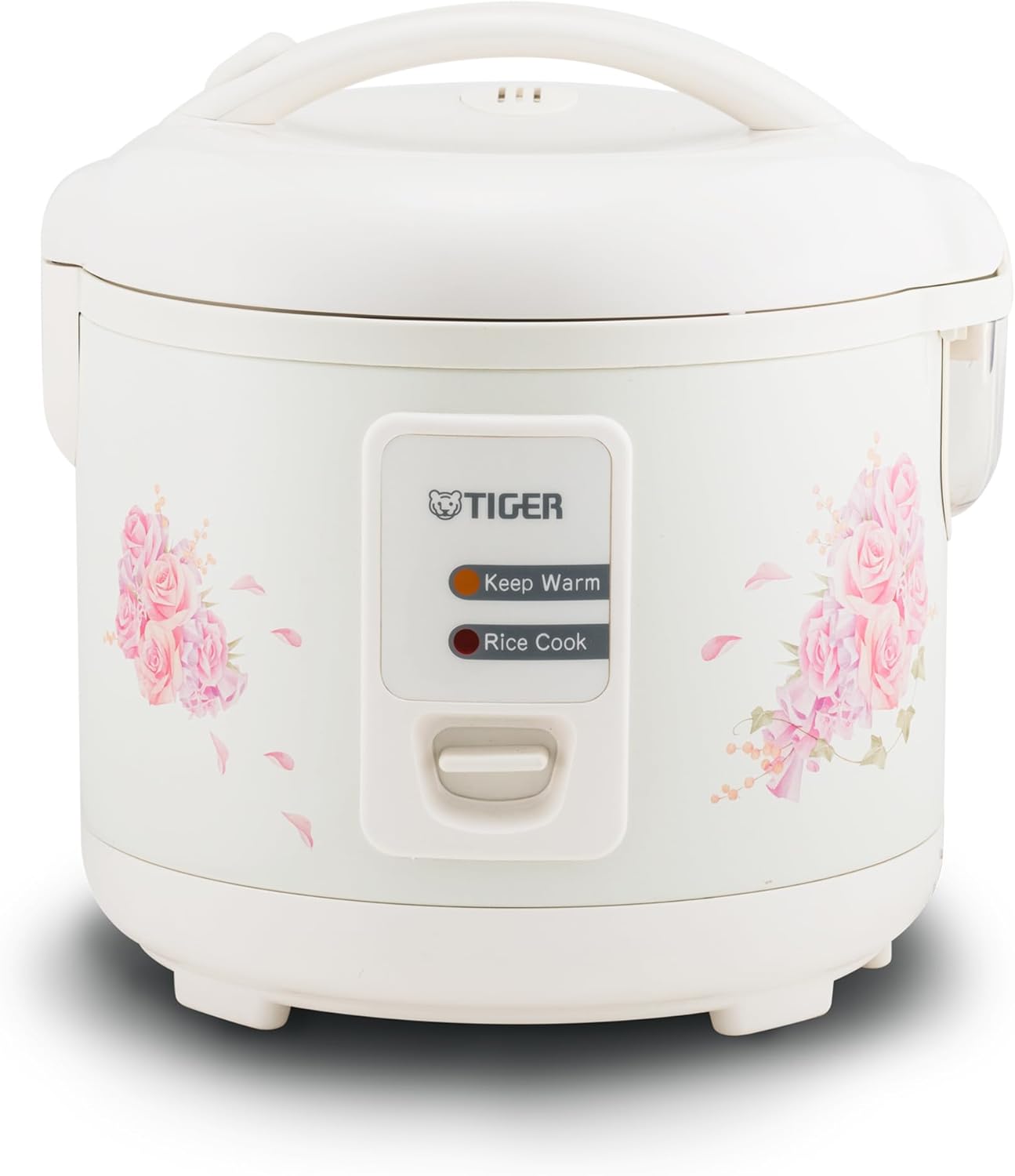
Finding the right appliance for preparing grains can transform daily meal preparation. A costco tiger rice cooker offers reliable performance and straightforward operation for households seeking consistent results without complicated setups. Whether you prefer a simple push-button conventional design or an advanced microcomputer-controlled model with multiple settings, these appliances handle everyday cooking tasks efficiently.
When evaluating these options, understanding the differences in capacity, cooking technology, and included accessories helps match the appliance to your routine. From compact 5.5-cup units to larger 10-cup configurations, each model features durable inner pots and automated warming functions designed to keep meals ready for hours.
As an Amazon Associate, StacyLaughs earns from qualifying purchases.
Buying guide
Evaluating Rice Capacity Needs
Choosing the correct capacity ensures you have enough cooked grain for your household without wasting storage space. Smaller 5.5-cup models yield roughly 11 cups of cooked rice, fitting couples and standard family meals.
Larger 8-cup and 10-cup variants produce up to 16 and 20 cups of cooked rice respectively, accommodating larger families or frequent gatherings. Measure your typical serving sizes before selecting a unit.
Conventional Versus Micom Controls
Conventional rice cookers rely on single push-button operation to heat the inner pot until water evaporates. They offer straightforward functionality that requires minimal attention during daily use.
Microcomputer or Micom models use internal sensors to adjust temperature and timing automatically across various cooking stages. This technology produces more refined textures for specialty grains like brown rice and multigrain.
Synchronized Cooking Features
Synchronized cooking technology allows users to prepare a main dish alongside boiling grains using specialized BPA-free trays. This setup utilizes rising steam to cook proteins or vegetables simultaneously.
Models offering this capability save counter space and streamline meal preparation by combining cooking steps. Verify that the included tray dimensions suit your preferred protein and vegetable portions.
Inner Pot Construction and Care
Inner pots feature aluminum or rugged bases coated with fluorine non-stick finishes to prevent sticking and simplify cleaning. Easy-to-read measurement markings printed inside help ensure accurate liquid ratios.
To preserve the non-stick coating, follow manufacturer maintenance instructions strictly. Avoid abrasive scouring pads, harsh chemical cleaners, and metal utensils that might scratch the protective surface.
Keep-Warm and Timing Functions
Automated keep-warm functions activate once the cooking cycle completes, maintaining safe serving temperatures for up to 12 hours. This prevents grains from cooling down too quickly if meal times shift.
Advanced Micom units also incorporate pre-set timers and digital clocks. These let you schedule cooking cycles in advance so grains finish right when you sit down to eat.
Physical Dimensions and Placement
Appliance dimensions dictate how well a unit fits your available kitchen counter or cabinet storage space. Units with retractable power cords reduce cord clutter and simplify countertop placement.
Consider the weight and depth of each model, particularly when moving heavier 8-cup or 10-cup configurations. Ensure adequate overhead clearance for steam releases during active cooking cycles.
Frequently asked questions
What capacity rice cooker should I choose for my household?
Selecting a capacity depends on how many people you regularly feed. A 5.5-cup model yields about 11 cups of cooked rice, which comfortably serves standard family meals. If you frequently host guests or cook for a larger family, an 8-cup or 10-cup unit provides the necessary volume without requiring multiple batches. Keep in mind that larger capacities require more counter and storage space.
How does Tacook technology work in Tiger rice cookers?
Tacook technology enables simultaneous cooking by placing a specialized BPA-free tray above the boiling rice. As the grains cook, the rising steam cooks the vegetables or proteins placed in the tray without mingling flavors between the compartments. This allows you to prepare an entire meal using a single appliance, saving both time and counter space during busy weeknight cooking routines.
What is the difference between conventional and Micom rice cookers?
Conventional rice cookers utilize simple push-button technology that applies steady heat until the cooking cycle finishes, offering straightforward operation for basic white rice. Micom or microcomputer-controlled models incorporate internal sensors that automatically adjust temperature, timing, soaking, and steaming phases. This advanced regulation accommodates diverse grain types such as brown rice, multigrain, and specialized porridge settings.
How should I clean and maintain the non-stick inner pot?
Maintenance requires following manufacturer care guidelines to protect the fluorine non-stick coating. Allow the pot to cool before wiping it with a damp cloth or washing by hand. Never submerge the main heating body in water, and avoid abrasive cleaning pads, harsh chemicals, or metal utensils that could scratch the interior surface and compromise its non-stick performance over time.
How long does the automated keep-warm function operate?
The automated keep-warm function on these models activates immediately after the cooking cycle finishes and maintains serving temperatures for up to 12 hours. This feature prevents cooked grains from drying out or cooling down prematurely if your meal schedule is delayed. However, for best taste and texture, serving the rice shortly after the initial cooking cycle concludes is generally recommended.