Appliances · Buying Guide
Best Countertop Induction Cooktop Options for Fast and Efficient Cooking
Finding the best countertop induction cooktop can completely transform how you handle daily meal preparation in compact kitchens, RVs, or dorm rooms. Unlike traditional gas or electric ranges, induction models apply electromagnetic energy directly to the base of your cookware. This targeted approach results in significantly faster boiling times and superior energy efficiency, keeping your surrounding kitchen counters noticeably cooler during extended cooking sessions.
Navigating the wide variety of available portable burners requires understanding your specific cooking habits, available space, and power needs. Whether you need a single zone for basic boiling or a dual burner setup equipped with a removable griddle pan for family meals, matching your cookware to the right unit is essential. Exploring these top-performing models will help you pinpoint the ideal appliance for your kitchen counter.
As an Amazon Associate, StacyLaughs earns from qualifying purchases.
Buying guide
Evaluating Electrical Requirements and Wattage Limits
Most portable induction cooktops operate smoothly using standard 120-volt electrical outlets commonly found in residential kitchens across North America. Drawing up to 1800 watts of power, these efficient appliances plug directly into standard wall receptacles without requiring any specialized electrical wiring or professional installation. This accessibility makes them exceptionally convenient for temporary kitchen setups or supplemental cooking stations.
However, if you plan to use your induction burner inside an RV, camper, or college dorm room with limited electrical capacity, you should carefully look for models offering adjustable wattage settings. Selecting a lower wattage threshold helps prevent accidental circuit overloads while maintaining steady cooking performance in restrictive environments.
Understanding Cookware Compatibility Requirements
Induction cooking relies entirely on advanced electromagnetic energy transfer to heat your cookware directly rather than warming the surrounding glass surface. Because of this unique physical process, you must use pots and pans featuring magnetic bottoms for the burner to function properly. Cast iron, enameled iron, steel, and specific stainless steel cookware work effectively across most models.
You can easily verify your existing pots and pans by holding a small refrigerator magnet against the bottom exterior surface. If the magnet clings firmly, your cookware is fully compatible with induction technology. Always check manufacturer diameter guidelines to ensure proper sensor detection and prevent automatic shutoff errors during operation.
Assessing Single Versus Dual Burner Layouts
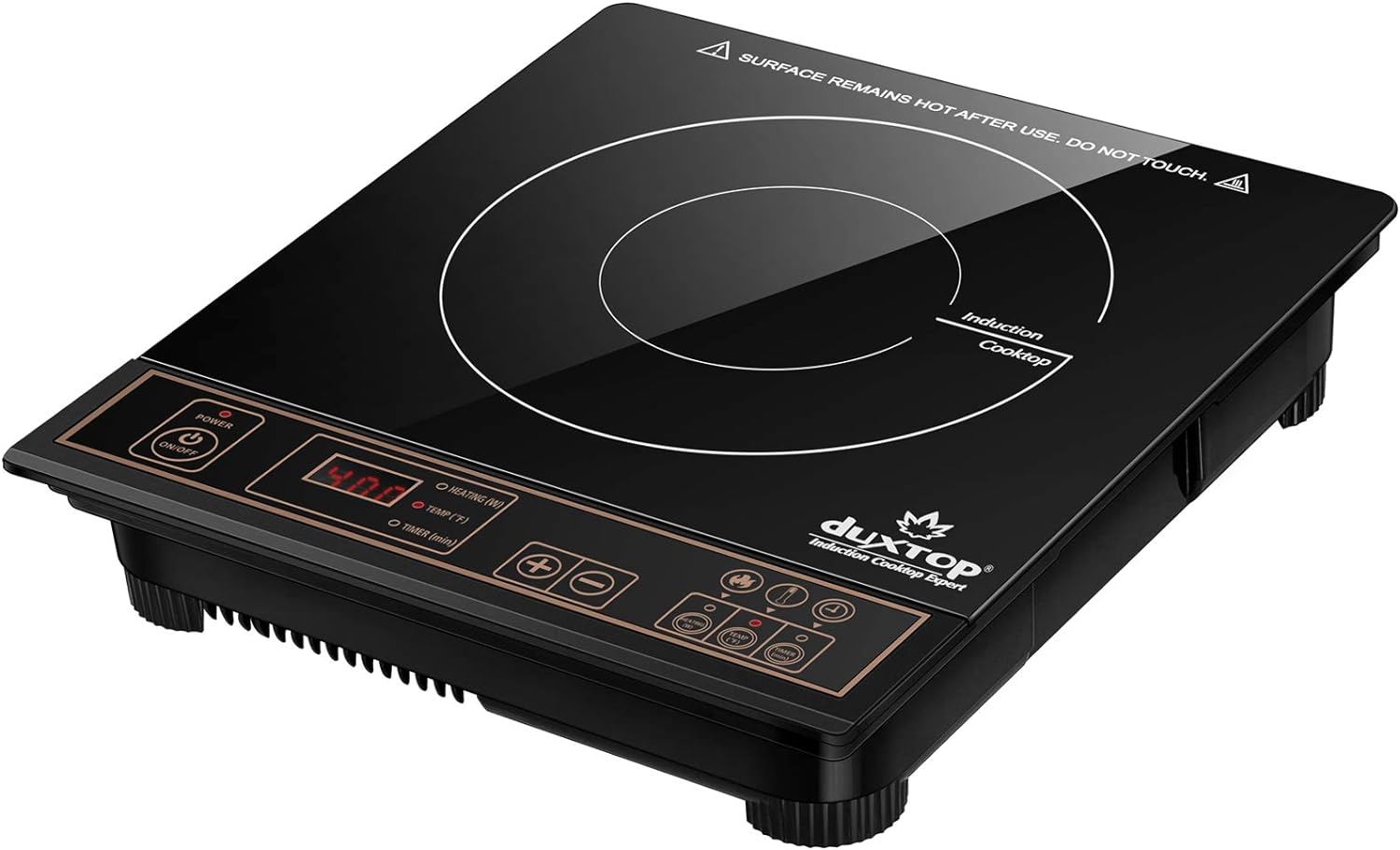
Choosing between a single-burner cooktop and a double-burner model depends heavily on your available counter space and daily meal preparation complexity. Single portable burners offer exceptional lightweight portability and take up minimal room, making them ideal for small apartments, office breakrooms, or quick single-dish meals where space is extremely tight and storage is limited.
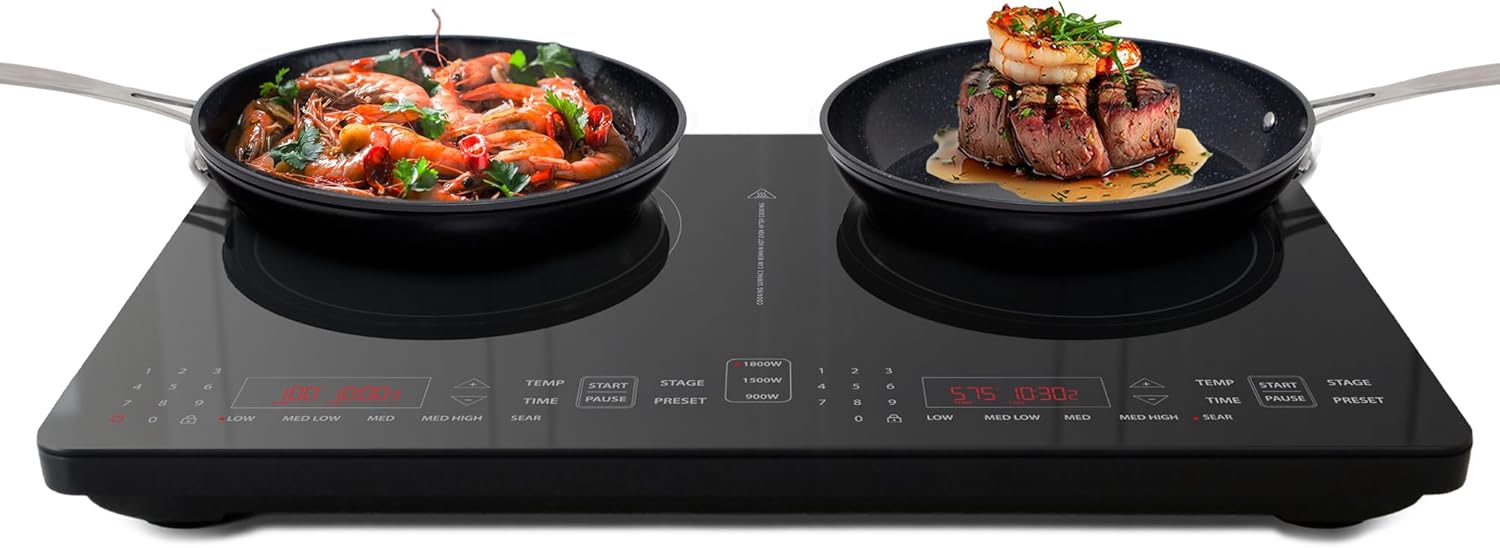
Double burners provide expanded flexibility for cooking multiple dishes simultaneously, allowing you to boil pasta on one side while simmering sauce on the other side. However, they demand a larger permanent countertop footprint and weigh considerably more, reducing their overall portability for frequent travel or seasonal storage needs.
Evaluating Temperature Precision and Control Options
The level of temperature control varies significantly across different induction cooktop models, influencing how successfully you can execute precise cooking tasks daily. Basic units offer broad power levels or preset temperature ranges, which work wonderfully for general boiling, frying, and standard heating applications in busy household environments without introducing unnecessary operational complexity.
Advanced models feature fine-tuned increments spanning a wide thermal spectrum from low warming temperatures up to high searing levels. If your favorite recipes demand delicate chocolate melting or expert steak searing, you should prioritize models with granular temperature adjustments and responsive digital touch interfaces to maintain exact thermal consistency throughout the entire cooking process.
Understanding Safety and Auto-Shutoff Features
Safety represents a major primary advantage of induction cooking because the surface generates heat directly within the cookware rather than relying on open flames or glowing hot electric coils. This keeps the surrounding ceramic glass relatively cool during operation, significantly reducing accidental burn risks in crowded kitchens or homes with curious children or pets.
Many modern induction cooktops include robust automated safety mechanisms such as pan detection sensors that shut the unit off automatically if no compatible cookware is present on the glass surface. Child safety locks also prevent accidental setting changes during active cooking cycles, ensuring greater overall peace of mind for everyday users.
Cleaning and Maintenance Best Practices
Maintaining a portable induction cooktop is remarkably straightforward and simple due to the smooth ceramic glass surface that prevents food from baking onto glowing hot burner elements. After allowing the cooker to cool down completely safely following your meal preparation, you can easily wipe away accidental spills and grease using a simple damp towel.
For units that include removable non-stick accessories like griddle pans, strictly following manufacturer cleaning guidance ensures long-term coating longevity and reliable performance over time. Dishwasher-safe components make post-meal cleanup completely effortless, keeping your kitchen cooking equipment in top operating condition without requiring harsh chemical scrubbing or abrasive scouring pads.
Frequently asked questions
Do induction cooktops work with any type of cookware?
No, induction cooktops require cookware with a magnetic bottom to function properly. Because induction technology uses electromagnetic energy to generate heat directly inside the pot or pan rather than heating the glass surface, non-magnetic materials like pure aluminum, copper, or glass will not work. You can easily test your existing cookware by placing a small refrigerator magnet against the bottom exterior. If the magnet sticks securely, the pot is compatible. If it falls off, you will need to acquire induction-ready pots or pans before using your new cooktop.
Why do some pots make a high-pitched sound on an induction burner?
The high-pitched sound sometimes heard during induction cooking is completely normal and originates from the cookware itself rather than the burner. When the rapid electromagnetic field interacts with multi-layered or clad cookware containing multiple sandwiched metals like aluminum and stainless steel, microscopic vibrations occur between the bonded layers. This acoustic resonance produces a whistling or buzzing noise, especially when operating the cooktop at higher power levels. Choosing heavy-bottomed pans or single-layer cast iron can often minimize or eliminate this sound entirely.
Can I use a portable induction cooktop in an RV or dorm room?
Yes, portable induction cooktops are exceptionally popular for RVs, college dorm rooms, tiny homes, and office breakrooms because they are lightweight and compact. However, you must consider the electrical capacity of your space. Standard units draw up to 1800 watts, which fits standard home outlets but might overload restricted RV circuits. To prevent tripped breakers, many users select cooktops featuring adjustable wattage settings, such as 900 or 1500-watt options, which allow safe operation in environments where electrical power availability is limited.
How do I clean my countertop induction cooktop safely?
Cleaning a countertop induction cooktop is simple because the glass surface stays relatively cool compared to traditional electric burners, preventing spilled food from burning and baking onto the glass. You should always wait for the unit to cool down completely before starting maintenance. For daily cleaning, simply wipe away grease, crumbs, and liquid spills using a damp towel or sponge. For stubborn residue, follow manufacturer cleaning guidelines carefully to avoid scratching the polished ceramic glass surface with abrasive cleaning tools.
What happens if I remove my pan while the cooktop is running?
Most modern induction cooktops feature built-in auto-pan detection sensors designed for safety and efficiency. If you lift your cookware off the active heating zone, the unit will automatically recognize the absence of a magnetic load. Within a short timeframe, typically around sixty seconds, the cooktop will stop heating and shut itself off or enter a standby mode. This automatic shutoff feature prevents accidental energy waste and ensures that the burner does not continue running unattended if a pan is removed during cooking.