Appliances · Buying Guide
Best Crank Ice Cream Makers for Traditional Frozen Desserts
Making frozen treats at home brings a classic, hands-on charm to family gatherings, warm summer afternoons, and backyard barbeques. Whether you prefer rich ice cream, smooth gelato, tangy frozen yogurt, or refreshing fruit sorbets, traditional bucket-style makers provide a reliable way to churn batches of customized desserts right on your countertop or patio table.
Choosing the right model involves balancing batch capacity, dual manual or electric operation modes, and material construction like pine wood buckets, aluminum canisters, or stainless steel hardware. Reviewing these distinct options helps you match a traditional dessert machine to your hosting scale and storage space.
As an Amazon Associate, StacyLaughs earns from qualifying purchases.
Buying guide
Capacity and Batch Sizing
Selecting the right capacity depends heavily on how many people you typically serve during dessert time. Smaller four-quart models suit family movie nights or modest gatherings, providing enough servings without excess leftovers. Larger six-quart or eight-quart alternatives cater to neighborhood barbecues, birthday parties, and large family reunions where high dessert volume is necessary.
Keep in mind that larger capacities also mean heavier units when filled with ice, rock salt, and ingredient mixtures. Evaluate your typical hosting scale carefully to choose a bucket size that satisfies your guests without creating unnecessary storage and handling challenges in your kitchen.
Operation Mode Choices
Traditional ice cream makers offer distinct operation modes, ranging from manual hand-cranks to automated electric motors. Manual crank units provide an authentic, unplugged experience that you can take to remote locations like backwoods picnics or campsites with an ice chest. They require steady physical effort during the entire churning process.
Motorized attachments and programmable electric models eliminate physical arm fatigue by turning the paddle automatically. Some hybrid designs even feature both modes, letting you start with an electric motor and finish manually with a die-cast crank for firmer dessert consistency.
Material Construction and Durability
The materials used in bucket construction and internal components directly impact the lifespan and aesthetic appeal of your appliance. Classic pine wood buckets deliver an authentic old-fashioned look that doubles as charming kitchen decor during summer events. However, wood requires careful hand washing to maintain its finish over time.
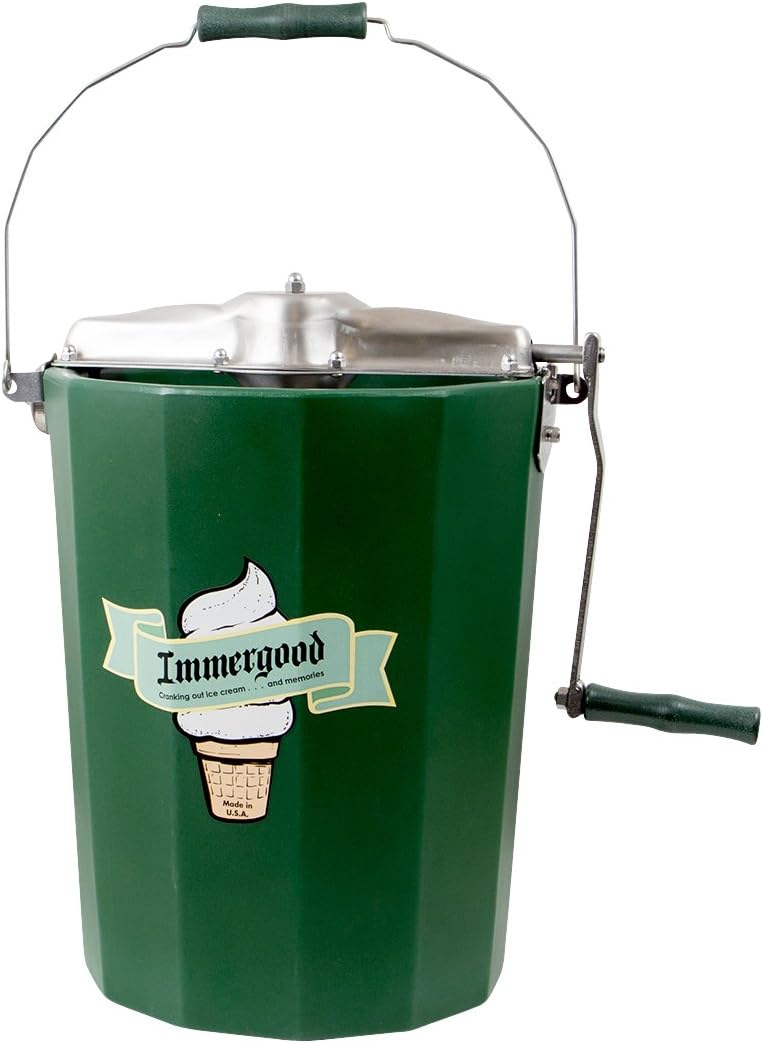
Advanced metal alternatives like triple-layer poly tubs and stainless steel hardware offer rust resistance and superior insulation. These durable materials withstand regular outdoor use while keeping interior mixtures cold for extended periods without degrading or leaking moisture onto tabletops.
Internal Churning Mechanisms
The interior dasher mechanism plays a crucial role in determining the texture and consistency of your frozen desserts. Standard single-rotation paddles move ingredients against the cold aluminum canister walls, gradually freezing the liquid base into a creamy consistency. More advanced multi-action dashers incorporate opposing rotations.
These complex churning actions continuously fold the mixture from multiple directions, reducing ice crystal formation and producing exceptionally smooth textures. Reviewing the interior hardware design helps you choose a machine tailored to your preferred dessert consistency and smoothness standards.
Cleaning and Maintenance Protocols
Maintaining your ice cream maker properly ensures longevity and hygienic food preparation across multiple seasons of use. Many models feature removable aluminum canisters and clear top lids that wash easily, with select internal components rated for dishwasher cleaning. Wooden buckets and metal gear frames generally require hand washing.
Rinsing exterior tubs free of rock salt and thoroughly drying metal gears prevents corrosion and preserves moving parts. Always follow manufacturer guidelines regarding cleaning solutions and water exposure to protect wooden finishes and mechanical gear assemblies from premature wear.
Storage and Countertop Footprint
Traditional bucket-style ice cream makers feature bulky dimensions due to their outer housings and vertical canisters. Before purchasing, measure your available pantry or cabinet space to ensure the appliance fits comfortably when not in use. Models measuring fifteen inches square or larger require dedicated storage areas.
Additionally, consider whether you plan to store leftover ice cream directly in the freezer using included storage lids. Selecting a model with a compact profile or modular parts simplifies organization and prevents kitchen clutter during off-seasons.
Frequently asked questions
How do I achieve the best consistency when using a crank ice cream maker?
Achieving optimal consistency relies heavily on using the correct ratio of ice to rock salt packed firmly around the inner canister. As the ice melts, adding coarse rock salt lowers the temperature significantly, freezing the ingredient mixture as the paddle churns. For hybrid or manual models, you can also continue turning the hand crank after the motor stops or use manual mode to firm up soft mixtures before placing the canister into the freezer for final hardening.
Can I use these ice cream makers to prepare desserts other than traditional ice cream?
Yes, these versatile machines accommodate a wide variety of frozen treats beyond classic dairy ice cream. You can prepare rich gelato, tangy frozen yogurt, refreshing fruit sorbets, and dairy-free alternatives by pouring your chilled liquid ingredients directly into the inner aluminum canister. The churning mechanism and freezing action work identically across different recipes, making it simple to experiment with custom flavors and dietary preferences for your family gatherings.
What is the difference between manual hand-crank and electric motor operation modes?
Manual hand-crank models require you to turn the handle physically throughout the entire freezing process, allowing for use anywhere with ice and salt without needing an electrical outlet. Electric motor models feature automated power units that lock onto the bucket to churn the paddle continuously without physical exertion. Some hybrid machines offer both options, letting you attach an electric motor for hands-free convenience or switch to a manual crank for traditional participation.
How should I clean and store my wooden bucket ice cream maker after use?
Proper cleaning involves washing the inner aluminum canister and removable mixing blades with warm soapy water, with some components supporting dishwasher cleaning depending on the specific model. The exterior pine wood bucket should be hand washed gently and dried thoroughly to prevent warping or finish degradation. Always rinse metal hardware free of corrosive rock salt residue, and ensure all parts are completely dry before storing the appliance in a cool, dry indoor location.
Do I need to pre-freeze the canister before starting the ice cream making process?
Unlike modern electric canister machines that require hours of pre-freezing in a household freezer, traditional bucket-style makers do not require pre-freezing the inner container. Instead, they rely on the external packing of crushed ice and rock salt layered inside the outer bucket to provide the freezing temperatures needed. This design lets you prepare and churn multiple consecutive batches back-to-back without waiting for a sealed bowl to refreeze.