Appliances · Buying Guide
Best Crock Pot Pressure Cooker Options for Fast Family Meals
Choosing a reliable crock pot pressure cooker transforms how you manage busy weeknight dinners and large batch meal preparation. Modern electric cookers combine rapid pressure cooking, traditional slow cooking, direct searing, and steaming into versatile countertop appliances. Selecting the proper model depends directly on your household size, preferred cooking functions, and available kitchen storage space.
Manufacturers integrate distinct operational features like digital touchscreen displays, ceramic nonstick inner pots, or customizable one-touch smart programs designed to simplify daily cooking tasks. By carefully reviewing physical dimensions, heating wattage, and included accessories of top appliances, you can easily find a suitable multicooker that matches your everyday cooking routines and diverse menu preferences without unnecessary complexity.
As an Amazon Associate, StacyLaughs earns from qualifying purchases.
Buying guide
Capacity and Household Size
Selecting the correct capacity for your multicooker is essential for matching your daily cooking volume. Standard 6-quart models easily feed families of up to six people, making them versatile for routine dinners and weekly batch meal preparation. Larger households or individuals who frequently host guests may benefit from expanded capacities that accommodate larger cuts of meat or whole chickens comfortably without overcrowding the cooking vessel during operation.
Consider your typical recipes when evaluating container sizes. Cooking small portions in an excessively large cooker can be inefficient, while cramped pots restrict heat circulation and limit ingredient quantities. Measure your available pantry space before purchasing, as wider bases and taller heights directly impact how easily the appliance fits beneath overhead kitchen cabinets or inside dedicated storage areas.
Wattage and Heating Performance
Heating power directly influences how quickly your appliance builds internal pressure and reaches cooking temperatures. Models equipped with 1000-watt systems offer reliable performance for everyday steaming, slow cooking, and pressure tasks. Higher wattage options, such as 1200-watt heating bases, accelerate pressurization cycles and shorten overall meal preparation times when cooking frozen ingredients or dense root vegetables.
Review your kitchen electrical configuration when selecting high-power appliances. Operating a high-wattage cooker simultaneously with other heavy kitchen loads on the same circuit can cause tripped breakers. Balance heating speed requirements with your home electrical capacity to ensure smooth, uninterrupted cooking performance across diverse recipes and demanding weekly meal schedules.
Inner Pot Materials and Coatings
The material of your cooking pot affects heat distribution, durability, and cleanup convenience. Stainless steel pots feature tri-ply bottoms that deliver even searing and browning performance while offering exceptional long-term durability. These traditional metal surfaces resist scratching from metal utensils but may require added cooking oil to prevent starches and proteins from sticking during high-heat cooking sessions.
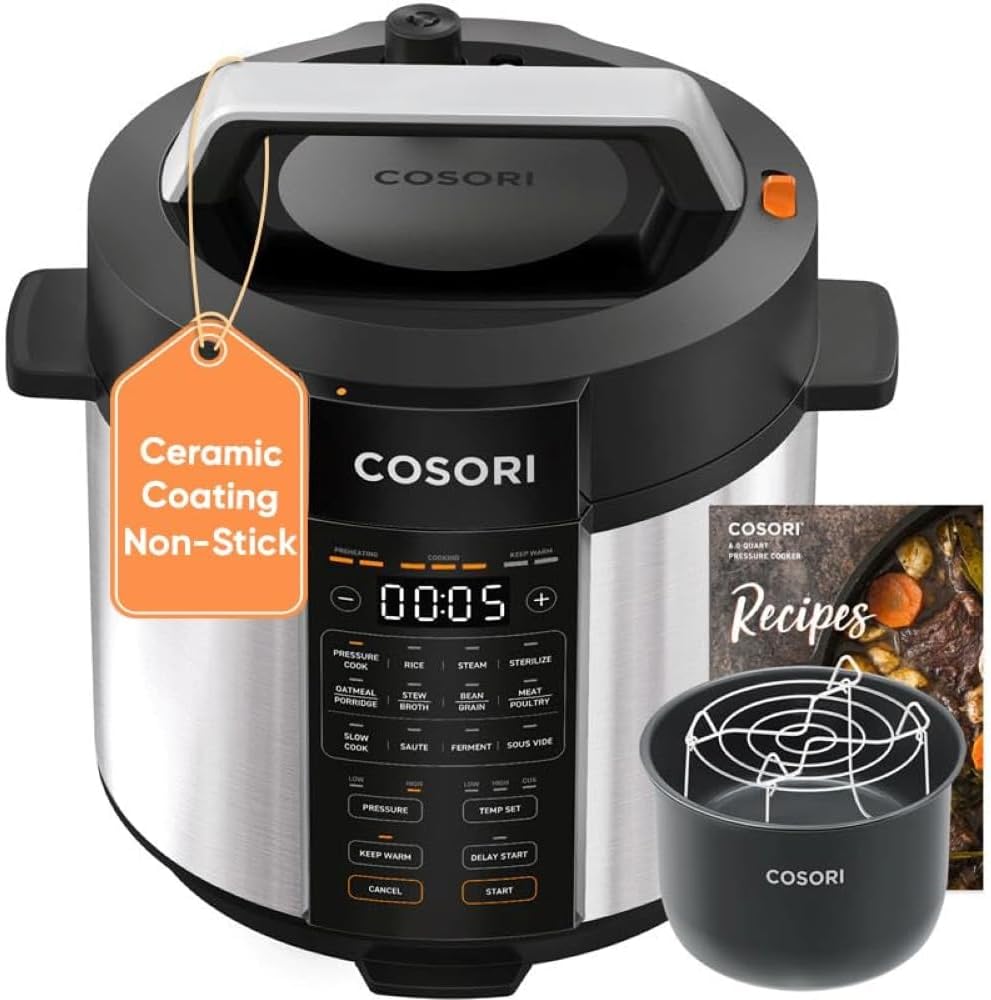
Alternatively, ceramic nonstick coatings provide effortless food release and simplify post-cooking cleanup routines. Nonstick interiors allow you to cook with less oil and wipe clean easily after preparing sticky or cheesy dishes. However, these specialized coatings demand careful handling with silicone or wooden utensils to protect the non-stick surface from premature wear over years of frequent culinary use.
Control Interfaces and Presets
Modern multicookers offer various control layouts, ranging from traditional push buttons to sleek digital touchscreens. Push-button interfaces provide tactile feedback that is easy to operate even with damp hands during busy meal preparation. Digital touchscreens deliver a modern aesthetic with clear preset navigation, though they may require clean, dry fingertips to register inputs accurately during hurried kitchen tasks.
Built-in smart programs simplify complex recipes by automating time, temperature, and pressure settings for specific foods like rice, soup, yogurt, or poultry. Review the available presets on each model to ensure they align with your routine cooking habits. Choosing an interface style that matches your personal preference enhances overall usability and reduces frustration during daily kitchen operations.
Steam Release Safety Mechanisms
Safe steam venting is a critical consideration when operating electric pressure cookers. Many modern appliances incorporate specialized switches or buttons positioned safely away from the primary steam valve to protect hands from hot vapor. Angled steam release designs direct escaping pressure away from the unit housing, reducing the risk of accidental burns during quick-release venting cycles after cooking finishes.
Evaluate how each model manages pressure reduction. Models offering both quick-release switches and natural release options give you greater control over food texture, preventing delicate items from foaming or drying out. Prioritize appliances with robust safety locking lids that prevent accidental opening while internal pressure remains elevated.
Cleanup and Maintenance Convenience
Regular maintenance keeps your electric pressure cooker operating safely and efficiently over time. Removable inner pots, dishwasher-safe lids, and accessories simplify post-cooking cleanup routines significantly. Stainless steel bodies that resist fingerprints maintain a clean exterior appearance with minimal wiping, while integrated condensation cups collect excess moisture to prevent messy countertop puddles during operation.
Inspect sealing rings and valve components periodically to ensure proper pressure retention and safe operation during cooking cycles. Choosing appliances with easily detachable sealing rings and accessible housing crevices makes routine cleaning straightforward. Proper upkeep prevents lingering food odors and extends the functional lifespan of your countertop investment, keeping your cooker ready for daily meal preparation.
Frequently asked questions
Can I use metal utensils inside a ceramic-coated pressure cooker pot?
Using metal utensils inside a ceramic nonstick inner pot is generally discouraged by manufacturers because scratching can damage the protective coating over time. To preserve the nonstick surface and ensure effortless food release during daily cooking, it is best to use wooden, silicone, or plastic tools. If your electric pressure cooker features a traditional stainless steel inner pot instead, metal utensils will not harm the durable metal surface, making them suitable for aggressive searing and stirring tasks without risking permanent coating degradation.
What is the difference between quick pressure release and natural release?
Quick pressure release involves manually activating a steam valve or switch to vent hot steam rapidly, allowing you to stop the cooking process immediately. This method works well for vegetables and foods that you want to prevent from overcooking. Natural release allows pressure to drop slowly on its own over a set period once the heating cycle finishes. This method is ideal for meats, soups, and starches because gradual cooling prevents liquids from foaming up and keeps tender cuts juicy.
How do I clean and maintain the sealing ring in the lid?
The sealing ring absorbs food odors during cooking and requires regular cleaning to maintain proper appliance hygiene. Most silicone sealing rings can be removed easily from the lid assembly and washed in warm soapy water or placed on the top rack of a dishwasher. Inspect the ring periodically for cracks, warping, or wear that might prevent the lid from sealing correctly under pressure. Replacing damaged rings ensures your electric cooker maintains airtight pressure integrity during everyday meal preparation.
Is a 6-quart pressure cooker large enough for a family of four?
A 6-quart pressure cooker provides ample capacity to prepare meals for up to six people, making it an ideal size for families of four, meal prepping, or batch cooking. This capacity comfortably accommodates whole chickens up to four pounds, large batches of soup, or generous portions of rice and beans. If you regularly cook for large gatherings, parties, or very big households exceeding six individuals, you may want to explore larger capacity multicookers to avoid running out of cooking space.
Can I use my electric pressure cooker as a traditional slow cooker?
Most modern electric pressure cookers include a dedicated slow cook function that allows you to prepare traditional recipes just like a conventional countertop slow cooker. You can select low or high temperature settings to simmer stews, roasts, and braised dishes over extended periods. While dedicated slow cookers often feature ceramic crocks, electric pressure cookers utilize their removable metal or ceramic-coated pots to manage slow cooking cycles safely, letting you replace multiple bulky kitchen appliances with a single compact device.