Appliances · Buying Guide
Best Cuckoo Pressure Rice Cooker Options for Every Kitchen

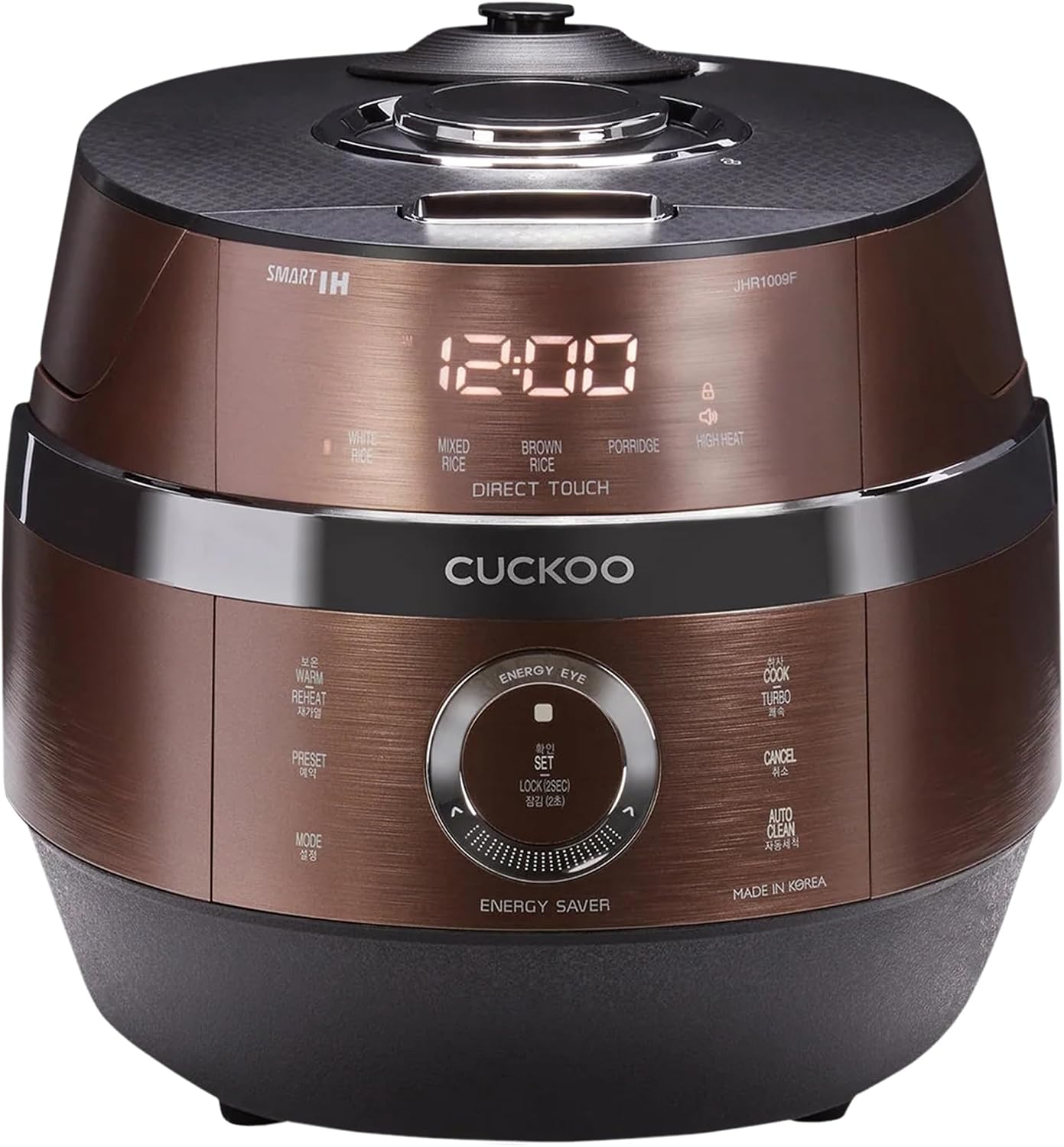
Choosing a rice cooker involves balancing capacity, heating technology, and menu flexibility for daily meal preparation. Cuckoo offers various pressure and induction models designed to handle diverse grains and cooking styles with built-in digital controls. These appliances incorporate automated temperature regulation, specialized steam release systems, and multi-functional LED displays to streamline grain preparation, porridge making, and multi-cook tasks across different household environments.
Understanding the specific attributes of these multi-functional cookers helps match device capabilities to household size and cooking preferences. Reviewing core specifications clarifies how stainless steel pots, power ratings, and specialized modes function in practical use. Whether outfitting a compact kitchen for medium-sized gatherings or preparing large quantities of sticky and brown rice for family events, examining distinct physical dimensions and wattage ratings guides informed selection.
As an Amazon Associate, StacyLaughs earns from qualifying purchases.
Buying guide
Capacity and Serving Size
Selecting the right capacity depends heavily on your household size and how often you host guests or family events. Models offering a six-cup dry capacity yield up to twelve cups of cooked grain, fitting small families or medium gatherings. Matching your daily meal requirements ensures you prepare enough food without taking up excess storage space on your countertops.
Larger ten-cup dry variants produce up to twenty cups of cooked food, suiting large family dinners or housewarming gatherings. Matching your typical batch requirements ensures you avoid overcrowding or running multiple cooking cycles during busy meal preparation. Evaluating these sizing options carefully helps you choose an appliance that meets your hosting demands.
Heating Technology Options
Rice cookers use different heating methods that significantly influence cooking speed and temperature distribution across the inner pot during daily operation. Traditional bottom-plate heating provides reliable warmth for standard recipes, while advanced induction heating surrounds the entire cooking vessel magnetically to ensure uniform heat transfer throughout every single grain of rice.
Induction technology delivers noticeably faster and more efficient results by applying heat uniformly across the cooking vessel compared to legacy heating designs. Buyers should carefully weigh whether standard heating meets basic everyday needs or if advanced induction performance justifies the financial investment for faster meal preparation and consistent grain texture.
Pressure and Texture Control
Pressure settings directly affect the final texture of your grains, allowing you to customize meals according to personal preferences and household tastes. High-pressure options create sticky, cohesive rice, while non-pressure settings remove the pressure seal to produce lighter and fluffier results for everyday side dishes and alternative meal options across various recipes.
Some advanced models offer twin pressure technology, letting you seamlessly switch modes depending on the specific recipe requirements. Evaluating whether you prefer sticky rice or fluffy grains helps determine which pressure capability is necessary for your kitchen routines, family dietary preferences, and expected cooking outcomes throughout the entire week of meal preparation.
Menu Modes and Digital Controls
Modern cookers feature advanced digital LED or LCD display panels equipped with multiple pre-set menu options designed for daily cooking convenience and ease of use. Choices often include white rice, brown rice, GABA rice, porridge, scorched rice, and multi-cook functions to simplify various cooking tasks without requiring constant manual guesswork from the user.
User-friendly digital controls simplify selecting specialized programs during busy meal preparation times in any kitchen. Reviewing the available menu options ensures the appliance fully supports your specific dietary preferences, nutritional goals, and everyday cooking routines efficiently across numerous family recipes and side dish preparations throughout the week without unnecessary operational complexity.
Safety and Steam Release
Managing high pressure safely requires reliable steam release mechanisms and temperature monitoring features built directly into the appliance housing for everyday household peace of mind. Many cookers include automatic soft and quiet steam release systems to prevent sudden unwanted bursts of hot vapor during operation and cleanup across different meal types safely.
Overheating alarms add an extra layer of essential operational protection by alerting users if internal or external temperatures exceed normal working limits during cooking tasks. Prioritizing built-in safety mechanisms ensures a secure cooking experience during demanding high-pressure cycles and complex multi-cook routines for busy households everywhere in the kitchen daily.
Dimensions and Countertop Fit
Physical product dimensions dictate how easily the appliance fits into your kitchen layout, counter space, and designated storage areas. Units vary significantly in depth, width, and height based on their internal capacity, power wattage, and heating style. Measuring these physical metrics carefully prevents awkward placement issues on standard kitchen countertops throughout your home.
Measuring your available counter space and overhead cabinet clearance before purchasing prevents unexpected placement issues during busy daily cooking routines. Balancing physical dimensions with your desired cooking capacity ensures the cooker integrates smoothly into your kitchen environment without blocking other countertop appliances or overhead cabinets during operation.
Frequently asked questions
What is the difference between high-pressure and non-pressure cooking?
High-pressure cooking seals the cooking chamber to raise internal temperatures and pressure, which breaks down starches to produce deliciously sticky and cohesive rice. Non-pressure cooking removes the pressure seal, allowing steam to escape and resulting in unbelievably fluffy grains. Cookers featuring twin pressure technology allow you to switch between these two modes depending on whether you are preparing sticky rice, porridge, or lighter side dishes for your family.
How does induction heating differ from standard heating?
Induction heating technology surrounds the entire inner pot with a magnetic field to generate heat directly within the cookware, whereas traditional bottom-plate heating relies on a single heating element at the base. This complete surrounding heat makes the cooking process quicker, more efficient, and delivers more consistent results across various grain types. While standard heating handles everyday tasks well, induction models provide enhanced thermal distribution for users seeking faster preparation times and specialized multi-cook performance.
What maintenance is required for these rice cookers?
Maintenance primarily involves hand washing the stainless steel inner pot and associated components, as these units require manual care rather than dishwasher cycles. Many models feature a convenient auto-clean function that uses automated steam to help sanitize the interior surfaces between uses. Regularly wiping down the exterior digital display and checking the steam release vent ensures proper hygiene and maintains optimal operational efficiency over years of regular meal preparation.
What capacity should I choose for my household?
Choosing the right capacity depends heavily on your household size and how frequently you host guests or family gatherings. A six-cup capacity cooker yields up to twelve cups of cooked food, making it an ideal size for medium-sized families, daily side dishes, and small gatherings. Conversely, a ten-cup capacity model produces up to twenty cups of cooked grains, suiting large family dinners, housewarming parties, and events where you need to prepare generous portions in a single batch.
What accessories are typically included with these cookers?
Depending on the specific model, these cookers commonly come with essential accessories such as a product manual, a rice spatula for serving, and a dedicated rice measuring cup to ensure accurate grain-to-water ratios. Certain units also include a stainless steel steam plate or multi-cook tray, which allows you to steam vegetables or other side dishes while your rice cooks below. Reviewing the specific package contents helps you understand what tools arrive out of the box for your cooking tasks.