Appliances · Buying Guide
Best Cuckoo Rice Cooker Options for Every Kitchen Need
Finding the right appliance to prepare daily meals or feed large crowds involves carefully examining capacity, heating methods, and digital features. Cuckoo manufactures various cookers designed for households and commercial settings alike, ranging from compact micom units to heavy-duty commercial appliances built for continuous food service. Shoppers looking for reliable equipment will find distinct models tailored to different volume requirements and spatial constraints in the kitchen.
Shoppers exploring these options often look at physical dimensions, wattage ratings, and specialized cooking modes to match their available counter space and regular menu plans. Reviewing the specific physical builds and operational settings helps buyers choose a model tailored to their exact cooking habits. Understanding these core attributes ensures a practical match for everyday meal preparation tasks without relying on guesswork.
As an Amazon Associate, StacyLaughs earns from qualifying purchases.
Buying guide
Evaluating Capacity Requirements
Selecting the correct capacity ensures you prepare enough food without wasting energy or counter space. Small households often find compact models holding six cooked cups sufficient for daily meals. Larger families or those who frequently entertain guests benefit from models yielding twelve to twenty cooked cups per cycle. Matching the cooked output to your household size prevents the need for running multiple consecutive cooking batches.
Commercial environments require substantially larger units capable of producing up to sixty cooked cups in a single round. Reviewing your typical guest count and meal frequency clarifies whether a compact micom unit or a heavy-duty commercial appliance fits your routine. Keep in mind that larger capacities physically increase the unit dimensions, requiring careful measurement of your available storage areas before making a final purchasing decision.
Understanding Heating Technologies
The method a cooker uses to apply heat directly impacts grain texture and cooking speed. Standard bottom-plate heating elements provide reliable daily performance for basic white and brown rice preparation. Advanced induction heating surrounds the entire inner pot with magnetic fields, creating a more uniform thermal environment. This comprehensive thermal coverage cooks grains faster and enhances overall flavor delivery across various recipes.
Pressure capabilities further expand cooking possibilities by introducing sealed environments that raise boiling points. Twin pressure models allow users to switch between high-pressure cooking for sticky textures and non-pressure cooking for fluffy grains. Evaluating how much control you desire over grain texture helps determine whether a basic micom heater or an advanced induction pressure cooker suits your culinary preferences and regular meal plans.
Assessing Power and Electrical Demands
Electrical wattage dictates how much power an appliance draws from your kitchen wall outlets. Compact micom cookers typically operate at lower wattages around four hundred twenty-five watts, making them gentle on standard circuits. In contrast, advanced induction and high-pressure units often demand between one thousand and eleven hundred fifty watts to operate heating elements and pressure systems efficiently during extended cycles.
Commercial models also require higher electrical output to support heavy-duty warming and cooking chambers. Checking your kitchen outlet capabilities ensures you can safely operate high-wattage appliances alongside other countertop devices without tripping circuit breakers. Matching the power draw of your chosen cooker to your kitchen wiring prevents unexpected delays and guarantees reliable performance during busy meal preparation times throughout the week.
Comparing Digital Modes and Controls
Modern cookers offer varying degrees of programming sophistication to simplify meal preparation tasks. Basic units feature simple switch presses or straightforward digital displays for quick white rice and keep-warm transitions. More advanced appliances incorporate fuzzy logic technology, which automatically adjusts cooking times and temperatures based on internal sensor readings. These smart algorithms take the guesswork out of achieving consistently cooked grains every single time.
Programmable models often provide specialized operating modes ranging from thirteen to twenty-three distinct settings. These options accommodate specialty items like GABA brown rice, porridge, scorched rice, and baby food. Assessing your cooking habits reveals whether you need extensive multi-cook menus or prefer straightforward controls dedicated primarily to traditional rice preparation without navigating complex digital display panels or extra sub-menus.
Managing Kitchen Counter Space
Physical dimensions dictate where an appliance can reside in your kitchen. Compact micom cookers feature narrow footprints that easily fit on crowded countertops or standard pantry shelves. Larger high-pressure units and heavy commercial models extend wider and taller, demanding dedicated counter space away from low overhead cabinets. Measuring your available vertical and horizontal clearance prevents placement surprises upon delivery.
Heavy stainless steel builds also add considerable weight, making frequent relocation across rooms impractical. Assessing your permanent kitchen layout helps identify a suitable home for the appliance where it can remain plugged in or easily accessed. Balancing physical dimensions with your available surface area ensures the chosen cooker integrates smoothly into your daily kitchen routine without obstructing other workspace activities.
Reviewing Included Accessories and Maintenance
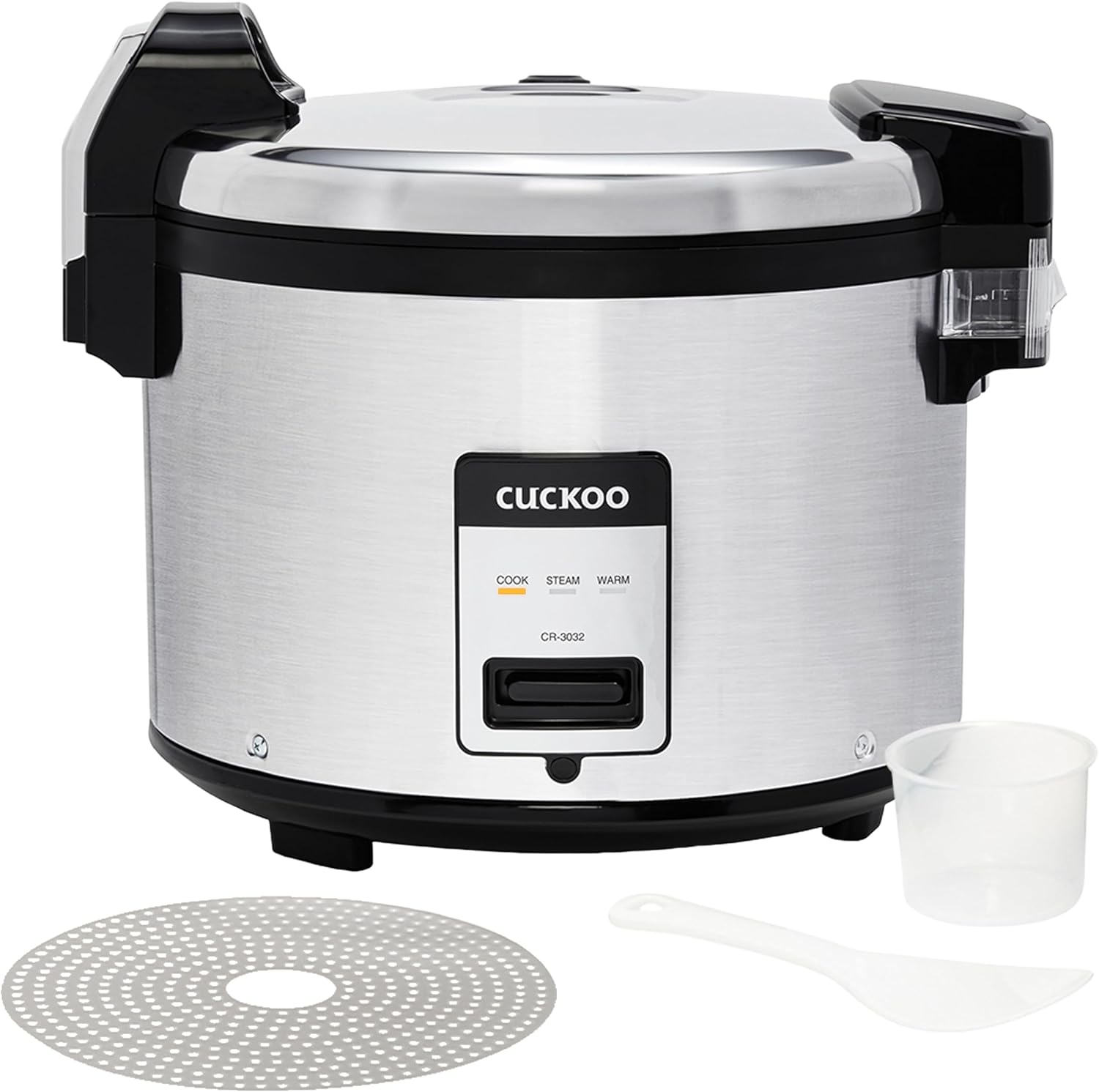
Maintenance requirements and included accessories influence the long-term usability of your rice cooker. Models featuring non-stick inner pots, removable lids, and self-clean settings significantly reduce post-cooking cleanup effort. Many units also bundle essential tools like rice measuring cups, serving spatulas, silicone pads, or steam plates directly in the box, providing immediate utility without requiring separate purchases for basic operational accessories.
Following manufacturer guidelines for hand washing and regular upkeep preserves the non-stick coating and functional lifespan of internal components. Checking what tools and cleaning features come standard helps you maintain hygienic food preparation conditions effortlessly. Prioritizing models with accessible cleaning features ensures that daily upkeep remains simple, keeping your appliance ready for the next meal without demanding excessive scrubbing or complicated maintenance procedures.
Frequently asked questions
What is the difference between cooked and uncooked rice capacity?
Uncooked rice capacity refers to the dry volume of grains measured before adding water to the pot. Cooked capacity measures the expanded volume after the rice absorbs liquid and finishes the heating cycle. Because grains expand significantly during cooking, a three-cup uncooked capacity typically yields approximately six cups of cooked rice. Understanding this conversion helps buyers select the correct appliance size for their household, ensuring they prepare enough food for family meals without overflowing the inner cooking pot.
How does fuzzy logic technology improve rice cooking?
Fuzzy logic technology utilizes internal thermal sensors and smart algorithms to monitor and adjust cooking temperatures dynamically throughout the cycle. Unlike traditional cookers with fixed heating patterns, fuzzy logic units make real-time corrections to prevent burning, undercooking, or uneven textures. This automated adjustment guarantees consistent results across various grain types, taking the guesswork out of preparing white rice, brown rice, oats, and specialized dishes. It adapts seamlessly to different ambient conditions inside the kitchen.
Can I cook grains other than white rice in these appliances?
Many models feature versatile operating modes designed to handle a wide variety of ingredients beyond standard white rice. Depending on the specific unit, you can prepare brown rice, GABA rice, oats, porridge, baby food, and mixed vegetable dishes. Programmable digital controls and multi-cook settings allow users to expand their culinary repertoire, turning a standard rice cooker into a multi-purpose countertop appliance for diverse family meal planning. Checking the available mode list ensures your chosen cooker supports your preferred grains.
What maintenance is required to keep the cooker clean?
Maintaining your rice cooker involves regular hand washing of the non-stick inner pot, removable lids, and included accessories like spatulas and measuring cups. Many models include self-clean settings that utilize steam to loosen residue inside hard-to-reach areas before wiping down surfaces. Following manufacturer care instructions preserves the non-stick coating and prevents premature wear, ensuring hygienic operation and fresh-tasting meals for every subsequent cooking cycle. Regular upkeep prevents food buildup on heating plates.
Are high-pressure rice cookers safe to operate daily?
High-pressure rice cookers incorporate built-in safety mechanisms, such as automatic steam release systems that lower internal pressure softly and quietly after cooking finishes. These engineered safety features allow home cooks to utilize pressure cooking benefits without manual valve manipulation. Following the product manual instructions ensures safe handling during every meal preparation session, giving users peace of mind while enjoying faster cooking times and enhanced grain textures. Proper ventilation around the steam vent is also recommended.