Appliances · Buying Guide
Best cuisinart 6 qt pressure cooker alternatives for fast family meals
Finding the right multi-functional appliance for daily meal preparation can simplify busy kitchen routines. Whether you want to tenderize meats, steam vegetables, or cook grains quickly, modern electric cookers offer versatile cooking modes. Home cooks often compare popular countertop cookers to find reliable alternatives that match their specific household cooking needs and batch-sizing preferences.
Exploring different multi-cookers highlights how various heating elements, capacities, and control interfaces perform during everyday tasks. This overview examines several prominent 6-quart pressure cookers available on the market, detailing their core features, practical design attributes, and physical dimensions to help you choose the ideal appliance for your kitchen counter space.
As an Amazon Associate, StacyLaughs earns from qualifying purchases.
Buying guide
Capacity and Physical Dimensions
Choosing the right cooker capacity depends heavily on household size and regular meal prepping habits. A standard six-quart model generally accommodates meals for up to six people, fitting everyday recipes comfortably. However, physical dimensions such as depth, width, and height vary between units. Measuring available counter space and overhead cabinet clearance before purchasing ensures the appliance fits securely in your kitchen without obstructing workspace.
Countertop placement also influences how easily you can access the cooker during busy routines. Wider bases provide larger internal cooking surfaces for searing meats, but they consume more horizontal counter space. Height is another critical factor if you place appliances underneath hanging wall cabinets. Reviewing exact manufacturer dimensions prevents storage conflicts and guarantees comfortable daily operation in compact kitchen environments.
Heating Power and Performance
Wattage ratings dictate how quickly an electric pressure cooker builds internal pressure and reaches cooking temperatures. Units ranging from 1000 to 1200 watts deliver reliable heating performance for diverse cooking functions, from slow cooking to rapid pressure boiling. Higher wattage systems often preheat faster, reducing overall meal preparation times on busy weeknights. Matching power output to cooking frequency helps maintain consistent culinary results across various recipes.
Electrical circuit capacity is another practical consideration when operating high-wattage kitchen appliances. Running a 1200-watt cooker alongside other heavy countertop devices might overload shared circuits in older homes. Evaluating your kitchen electrical layout ensures safe, uninterrupted operation during heavy meal preparation. Choosing an appropriate power level balances cooking speed efficiency with home electrical infrastructure capabilities, preventing tripped breakers during dinner tasks.
Inner Pot Materials and Coatings
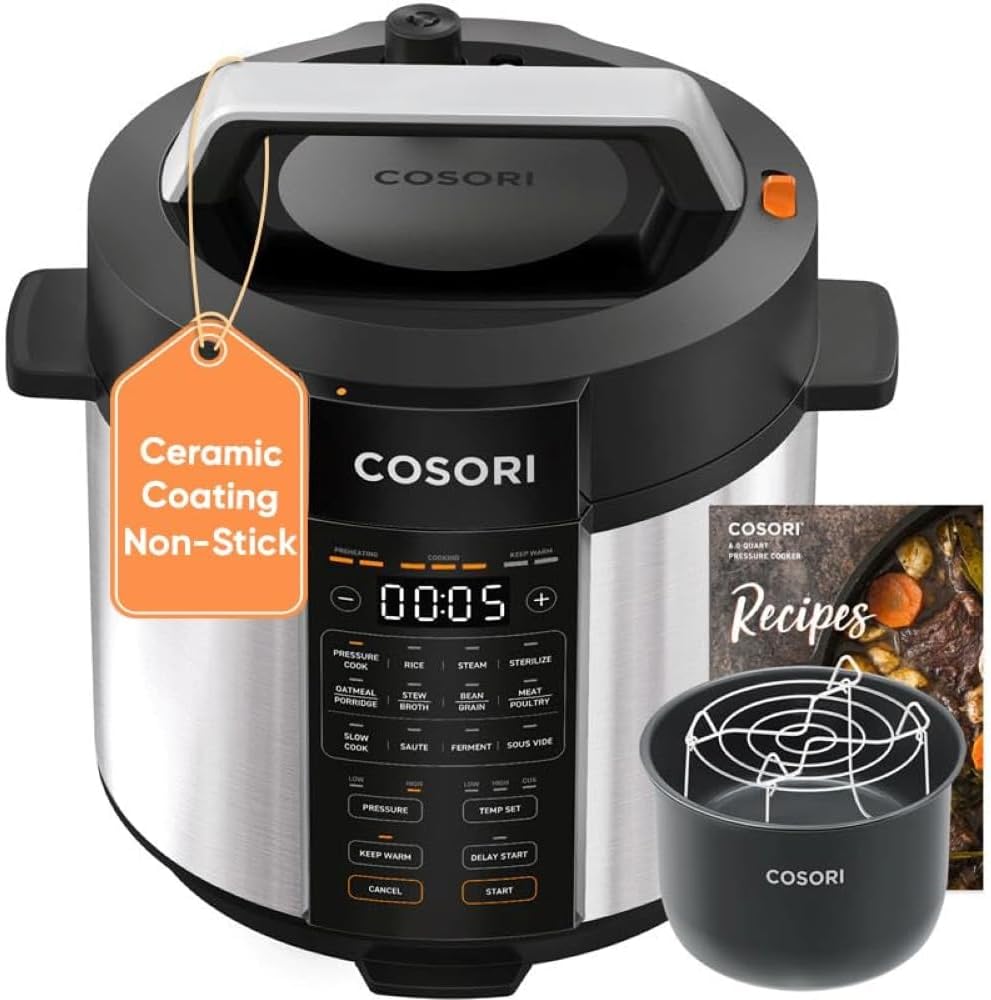
The material composition of the inner cooking pot directly affects durability, heat distribution, and cleaning routines. Tri-ply stainless steel pots offer rugged longevity and support high-heat searing, though they lack natural non-stick properties. Conversely, ceramic-coated non-stick pots simplify food release and reduce scrubbing effort after cooking starchy or sticky ingredients. Selecting between stainless steel and ceramic coatings depends on your preferred cooking and cleaning habits.
Maintenance requirements also differ based on chosen inner pot construction. Ceramic non-stick surfaces require gentle washing and non-metal utensils to preserve protective coatings over time. Stainless steel pots tolerate aggressive scrubbing and metal tools more readily but may require soaking for bonded food residues. Understanding these material characteristics helps you pick an interior pot that matches your preferred kitchen maintenance style.
Cooking Functions and Presets
Modern electric cookers combine multiple kitchen appliances into a single countertop unit by offering diverse cooking functions. Standard modes typically include pressure cooking, slow cooking, steaming, and sautéing, while advanced models add yogurt making, sous vide, and sterilizing. Evaluating which functions you genuinely use prevents paying for unnecessary complexity. Versatile multi-cookers streamline meal prep by handling everything from morning oatmeal to evening roasts in one device.
Customizable smart programs and preset options further simplify daily meal preparation tasks. One-touch buttons eliminate guesswork by establishing pre-programmed time and pressure levels for specific ingredients like rice, beans, or poultry. Reviewing available preset variety helps match the appliance to your family favorite recipes. Selecting a unit with intuitive program controls ensures you can navigate complex cooking modes effortlessly without consulting manuals constantly.
Safety Mechanisms and Steam Release
Safety features are paramount when operating high-pressure kitchen appliances. Quality cookers incorporate multiple mechanisms, such as overheat protection, secure lid locks, and anti-scalding designs to ensure safe operation. Reviewing these built-in safeguards provides peace of mind during everyday cooking cycles. Additionally, steam release methods vary, with some models featuring manual switches or angled vents positioned away from your hands to minimize steam exposure risks during depressurization.
Controlling steam release efficiently improves overall cooking convenience and safety. Diffusing covers and gentle venting switches help reduce noise and prevent hot liquid splatters when pressure drops. Evaluating how a cooker manages steam venting helps you choose a design that matches your comfort level with hot kitchen equipment. Prioritizing robust lid-locking systems and user-friendly release valves ensures secure handling throughout every meal preparation phase.
Control Interfaces and Usability
Control interfaces dictate how easily you interact with your electric pressure cooker during meal preparation. Digital touchscreen panels offer sleek aesthetics and straightforward preset selections, though they require clean fingers to register inputs accurately. Traditional push-button displays with clear indicators provide reliable tactile feedback for tracking cooking times, pressure levels, and temperature stages in real time. Choosing the right interface depends on your personal tactile preferences.
Additional usability features like detachable power cords, integrated lid holders, and condensation cups enhance everyday convenience. A removable cord simplifies storing the appliance on crowded counters, while lid holders reduce workspace clutter during serving. Evaluating these thoughtful design details ensures your selected pressure cooker integrates smoothly into your kitchen workflow, making routine cooking tasks more manageable and cleanup much easier after busy family dinners.
Frequently asked questions
What size electric pressure cooker is best for a family of four?
A six-quart electric pressure cooker is generally ideal for a family of four. This capacity provides enough space to prepare up to six servings per batch, making it suitable for standard family dinners and weekly meal prep. It accommodates whole chickens, large roasts, and generous batches of soups or rice without occupying excessive countertop space. If you regularly cook for larger crowds exceeding six people, stepping up to a slightly larger capacity model is worth considering to avoid overcrowding.
Can I sear meat directly inside an electric pressure cooker?
Yes, most modern electric pressure cookers feature a dedicated sear and sauté function that allows you to brown meats and sauté vegetables directly inside the cooking pot. This capability eliminates the need to dirty extra frying pans before pressure cooking, locking in rich flavors for stews, chilis, and roasts. Depending on the model, pots are crafted from stainless steel or ceramic non-stick coatings, each requiring appropriate utensils to protect the interior surface while you sear ingredients at higher temperatures.
What is the difference between stainless steel and ceramic non-stick inner pots?
Stainless steel inner pots offer exceptional durability and a rugged surface that tolerates metal utensils and vigorous scrubbing when cleaning bonded food residues. They are ideal for high-heat searing and browning tasks. Ceramic non-stick pots provide effortless food release and quick cleanup routines, preventing delicate ingredients from sticking to the bottom. However, ceramic coatings require gentle washing and non-metal utensils to prevent surface scratching over extended periods of frequent household use and regular meal preparation.
How do I safely release steam from an electric pressure cooker?
Safely releasing steam involves using the appliance built-in venting switch or valve according to your specific recipe instructions. Many modern cookers feature angled steam release designs or diffusing covers that direct hot vapor away from your hands and reduce sputtering. You can choose between quick pressure release for rapid venting or natural release for slower pressure reduction, depending on the dish you are preparing. Always keep your hands and face clear of the valve during active venting phases.
Do electric pressure cookers replace multiple kitchen appliances?
Multi-functional electric pressure cookers are designed to replace several countertop appliances by combining numerous cooking modes into one unit. They typically function as pressure cookers, slow cookers, rice makers, steamers, and sauté pans, with advanced versions offering yogurt making, sous vide, and sterilizing. This all-in-one versatility helps save valuable kitchen storage space and reduces the number of individual pots and pans you need to clean after preparing complex family meals throughout the busy week.