Appliances · Buying Guide
Best Cuisinart Gelateria Ice Cream Maker Options for Your Home
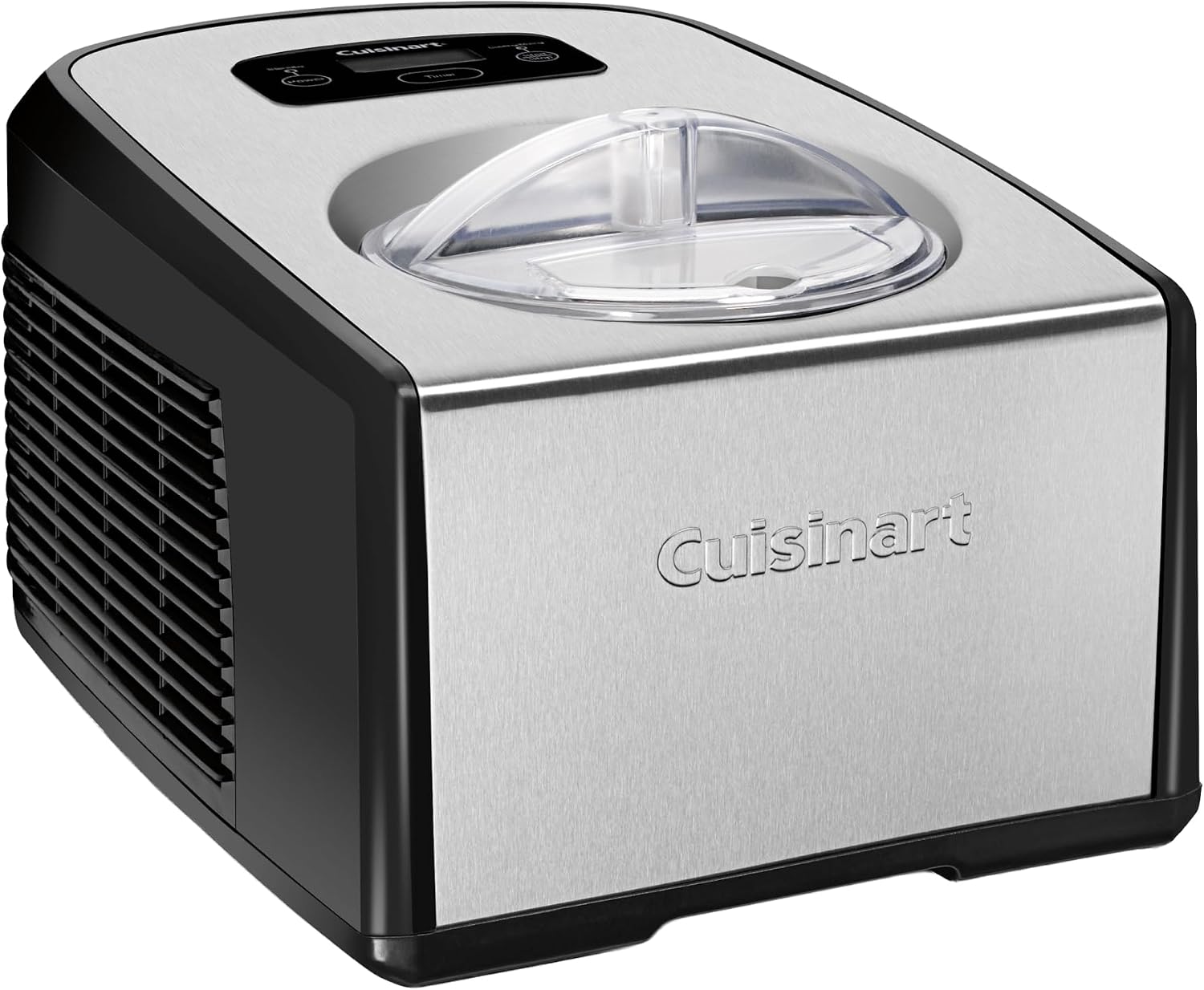
Making delicious frozen desserts at home becomes straightforward when you choose a reliable appliance designed for smooth, consistent churning. A quality cuisinart gelateria ice cream maker helps you turn basic kitchen ingredients into custom frozen treats right on your countertop without unnecessary hassle during busy family gatherings or relaxing weekends throughout the year.
Whether you prefer traditional ice cream, dense gelato, or refreshing fruit sorbets, various countertop models offer distinct bowl capacities and automated mixing methods to match your exact hosting routine. Exploring these specialized machines reveals how different engineering choices handle preparation steps, precise operational timing, and straightforward manual cleanup for your household needs.
As an Amazon Associate, StacyLaughs earns from qualifying purchases.
Buying guide
Chilling Technology and Freezer Preparation
Choosing the right chilling mechanism shapes how spontaneous your dessert-making routine can be. Standard models requiring pre-freezing demand careful advance planning, forcing you to store bowls in sub-zero freezer environments for twenty-four hours ahead of every single mixing session. This preparation step requires dedicated freezer space and patience before ingredients can even touch the paddle, making organization essential for weekend hosting events.
Alternatively, self-refrigerating compressor units manage freezing temperatures entirely on their own, eliminating advance scheduling constraints. Weighing these thermal systems ensures your kitchen workflow matches your personal craving habits without unexpected delays or frozen storage conflicts, keeping homemade treats accessible whenever inspiration strikes your household.
Bowl Capacity and Batch Requirements
Evaluating bowl capacity helps you determine whether an appliance serves individual cravings or large family gatherings effectively. One-quart bowls suit compact households, whereas 1.5-quart or two-quart containers yield significantly larger quantities of finished frozen yogurt, gelato, or sorbet per single run. Matching capacity to your typical household size prevents under-producing desserts during festive occasions, family birthdays, and holiday dinners throughout the year.
Larger bowls require more storage room inside kitchen cabinets or freezers, making physical dimensions an important factor during selection. Balancing serving size against available storage space guarantees you enjoy sufficient dessert output without creating permanent clutter on your kitchen countertops or straining your household shelving units during daily routines.
Motor Speeds and Preset Programs
Different frozen dessert styles benefit from specific paddle speeds to achieve authentic textures. Traditional ice cream requires gentle air incorporation for fluffy scoops, while dense gelato thrives on slower churning paces. Appliances featuring multiple speed settings and automated presets take the guesswork out of processing diverse recipes correctly, ensuring reliable results across every single batch you create.
Programmable countdown timers with auto-shutoff further enhance everyday convenience by stopping the motor precisely when mixing cycles conclude. Reviewing available control options ensures you can walk away during dessert preparation without monitoring mixture consistency constantly, giving you complete freedom to manage other kitchen tasks simultaneously without worry or sudden interruption.
Ingredient Chutes and Mix-In Access
Adding mix-ins like chocolate chips, crushed nuts, or fresh fruit pieces transforms basic vanilla bases into custom creations. A wide ingredient spout or funnel integrated into the lid allows you to drop additions directly into the spinning bowl without stopping the motor or spilling contents across your surrounding kitchen counters and workspace surfaces during active mixing.
Examining how lids are constructed helps prevent messy splashes during active churning phases. Features like integrated measuring cups or safety-locked spouts improve overall usability, ensuring that adding extra flavor components remains a clean, straightforward part of your dessert preparation routine for family and guests alike throughout the entire year.
Countertop Dimensions and Storage Footprint
Countertop space is a precious commodity in any busy kitchen, making the physical footprint of an ice cream maker an essential purchasing consideration. Compressor units tend to feature heavier, bulkier steel housings that demand permanent countertop placement, whereas pre-freeze bowl models can be stored away in deep cabinets easily when not in active daily use.
Checking height and width dimensions against your available workspace prevents storage frustrations later. Selecting a unit with an integrated cord wrap or a streamlined vertical shape helps manage spatial constraints effectively, ensuring your appliance fits comfortably among your daily kitchen essentials without causing permanent overcrowding on your kitchen preparation surfaces.
Maintenance and Cleaning Routines
Keeping your frozen dessert maker clean and maintained properly ensures hygienic operation for future dessert batches. Removable paddles, lids, and bowls that rinse easily by hand simplify post-dessert chores, while stainless steel exterior housings wipe down quickly with a damp cloth to remove sticky syrup drips or accidental ingredient spills during busy kitchen sessions.
Reviewing manufacturer care instructions helps protect delicate components like digital control panels or compressor surfaces from moisture damage. Prioritizing designs with easily wiped parts guarantees that enjoying homemade treats remains a delightful experience from preparation straight through to final cleanup, keeping your appliance ready for the next sweet dessert recipe.
Frequently asked questions
Do all Cuisinart ice cream makers require pre-freezing the bowl?
No, not all models require advance freezing. While standard double-insulated bowl units demand twenty-four hours in a sub-zero freezer before churning can begin, self-refrigerating compressor models feature built-in chilling systems that cool the bowl automatically upon startup. This compressor technology eliminates advance planning for spontaneous dessert making, though it typically adds weight and increases the overall footprint of the machine on your kitchen counter. Always verify your specific model type to determine whether pre-freezing is necessary before starting a recipe.
Can I add mix-ins like nuts or chocolate chips while churning?
Yes, many countertop units feature a dedicated ingredient spout or funnel built directly into the lid. This opening allows you to drop candies, nuts, fruit chunks, or chocolate chips straight into the spinning bowl while the motor runs, ensuring even distribution throughout your ice cream, gelato, or frozen yogurt. This design prevents you from having to stop the churning process or remove the lid, keeping the internal temperature stable and avoiding messy spills across your kitchen counters.
How long does a typical batch take to churn?
A typical batch usually takes about twenty minutes to reach a soft-serve consistency when using pre-frozen bowl models or automatic compressor units. The exact duration depends on the recipe ingredients, starting temperature of your mixture, and the specific preset program selected on the digital display. Once the automated countdown timer finishes its cycle, you can enjoy the dessert immediately as soft-serve or transfer the mixture to a separate container in your freezer for a firmer texture.
What is the difference between an ice cream paddle and a gelato paddle?
Certain advanced models include two distinct paddles tailored for specific dessert textures. The ice cream paddle is engineered to fold air into the mixture as it churns, creating a lighter, fluffier consistency associated with traditional scoop ice cream. In contrast, the gelato paddle operates differently to minimize air incorporation, keeping the final product dense, smooth, and silky. Having both options lets you tailor your preparation method to match the exact style of frozen treat you want.
How should I clean and maintain my Cuisinart ice cream maker?
Cleaning and maintenance depend on the specific appliance design, but most removable parts like mixing paddles, lids, and bowls should be washed by hand with mild soap and warm water. Exterior housings and digital control panels typically require a simple wipe down with a damp cloth to remove sticky syrup or ingredient residue. Avoid submerging motorized bases in water, and always follow manufacturer care instructions to protect internal electrical components and preserve your appliance over time.