Appliances · Buying Guide
Best Cuisinart Ice Cream Maker Choices for Delicious Frozen Desserts
Making frozen desserts at home offers a wonderful way to control ingredients and customize flavors for family gatherings, everyday snacks, or hosting seasonal parties. Cuisinart provides a wide selection of kitchen appliances designed to handle everything from traditional scooped ice cream to soft serve swirls and fast personal portions with reliable ease.
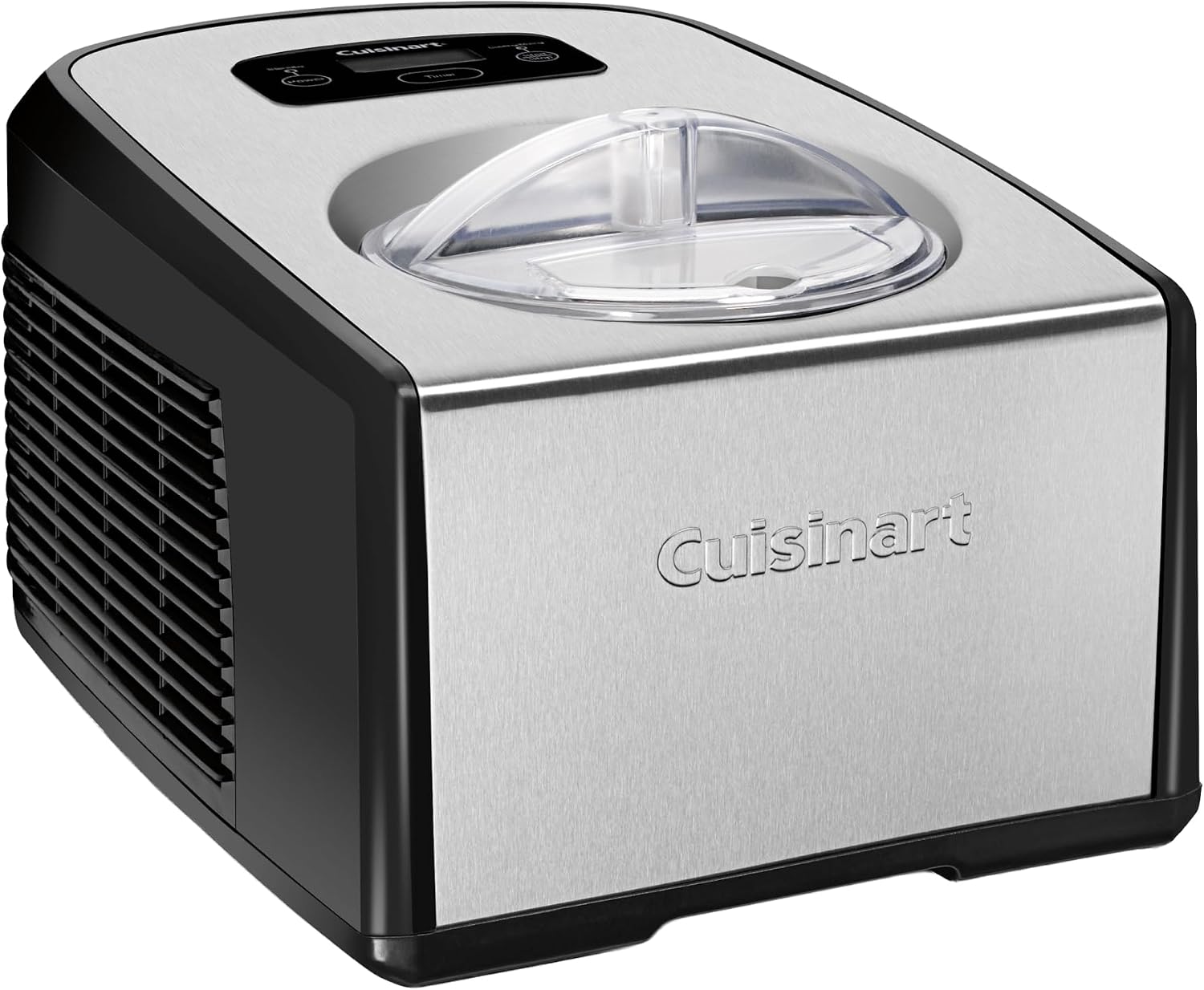
Whether you prefer a self-refrigerating compressor unit that skips freezer prep entirely or a traditional pre-frozen bowl design, understanding each machine helps you match your routine. Exploring the distinct features of these appliances ensures you find the right fit for your sweet tooth and favorite homemade recipes without unnecessary preparation guesswork.
As an Amazon Associate, StacyLaughs earns from qualifying purchases.
Buying guide
Freezing Requirements and Prep Time
Understanding how each machine handles freezing is crucial for planning your dessert making sessions effectively. Some advanced units feature built-in compressors that eliminate advance preparation entirely by chilling the bowl automatically. Other models rely on double-insulated bowls that require storage in a home freezer for a full twenty-four hours before churning your ingredients.
Choosing between compressor and pre-frozen bowl models depends heavily on your daily spontaneity and kitchen storage capacity. If you prefer making treats on impulse without planning ahead, self-refrigerating appliances save significant time. Traditional bowls require patience and reliable freezer space, but they often reduce the overall countertop footprint and equipment cost for everyday users.
Capacity and Batch Sizes
Selecting the right capacity ensures you have enough frozen dessert for your household or guests without running multiple rounds. Smaller one-quart and half-pint units work wonderfully for individuals or couples seeking quick, single-serving portions. Medium and large options ranging from one and a half to two quarts comfortably accommodate families and hosting events alike.
Larger bowls require more room in your freezer during the chilling phase, which is an important storage consideration for home kitchens. Match your typical serving habits to the bowl size so you avoid repetitive batching when feeding a hungry crowd. Smaller personal processors deliver speed, whereas larger capacities provide generous sharing options for gatherings.
Texture Variety and Paddles
Different frozen desserts require specific churning speeds and paddle designs to achieve their ideal signature mouthfeel. Classic ice cream incorporates air for a light, scoopable texture, while denser recipes like gelato benefit from specialized paddles that minimize overrun. Selecting a machine with dedicated attachments or multiple speed programs expands your culinary possibilities at home.
Reviewing the available settings helps you determine whether an appliance supports sorbets, frozen yogurts, or soft serve swirls. Advanced machines with automated presets take the guesswork out of timing and speed adjustments for various recipes. Exploring these functional differences ensures your homemade creations match your favorite commercial styles seamlessly every time.
Cleanup and Maintenance
Keeping your dessert maker clean preserves its performance and ensures hygienic food preparation for future dessert batches. Many modern machines feature removable components, such as bowls, lids, and paddles, that simplify the washing process considerably. Checking whether parts are dishwasher safe or require careful hand washing helps you manage post-dessert cleanup efficiently every time.
Following manufacturer guidelines for maintenance protects delicate mechanisms like digital panels and motor housings from moisture damage during cleaning. Wiping down exterior stainless steel or plastic surfaces with a damp cloth maintains a clean appearance on your kitchen countertop. Proper care routines extend the lifespan of your appliance investment significantly over time.
Countertop Footprint and Storage
Kitchen appliance dimensions vary significantly across different ice cream maker styles and bowl capacities. Compressor units and soft-serve dispensers often feature larger footprints and taller heights due to their internal motors and dispensing levers. Measuring your available counter space and overhead clearance before purchasing prevents storage frustrations in smaller home kitchens.
Compact automatic models and personal cup processors take up minimal surface area, making them ideal for apartments or crowded kitchen counters. Consider where you will store the machine when it is not actively churning frozen treats. Planning for cord wraps and accessory storage keeps your kitchen organized and functional all year round.
Control Features and Timers
Modern dessert makers offer various control options ranging from simple mechanical dials to advanced digital touchpads with clear LCD screens. Programmable timers allow you to set the exact churning duration and step away while dinner finishes cooking. Automatic shut-off features prevent over-processing and ensure your frozen treats achieve consistent results every single time.
Keep-cool cycles maintain the ideal serving temperature for a short duration after churning completes if you are not ready to serve immediately. Ingredient funnels and mix-in gauges let you add toppings mid-cycle without interrupting the motor operation. Evaluating these digital conveniences helps you choose a machine that fits your preferred baking and dessert-making style.
Frequently asked questions
Do all Cuisinart ice cream makers require pre-freezing the bowl?
No, not all models require advance freezer planning. While traditional units feature double-insulated bowls that must spend twenty-four hours in a home freezer before use, advanced compressor models feature self-refrigerating built-in chillers. These compressor machines chill their own bowls automatically, allowing you to start churning ingredients immediately upon pressing the start button without any prior freezer preparation. This makes compressor units exceptionally convenient for spontaneous dessert cravings.
Can I add mix-ins like chocolate chips or nuts while the machine is running?
Yes, several models include built-in ingredient funnels or wide spouts designed specifically for adding mix-ins mid-churn. You can drop in chocolate chips, crushed cookies, fruit pieces, or nuts while the paddle rotates, allowing the ingredients to distribute evenly throughout your frozen dessert. For soft-serve style machines, dedicated condiment containers and pull-down levers let you dispense toppings directly into cones or bowls during serving without hassle.
How do I clean my Cuisinart ice cream maker after use?
Cleaning instructions vary depending on the specific appliance model you choose. Many removable parts, such as dessert cups, lids, and certain paddles, are dishwasher-safe for effortless cleanup. Other models specify hand washing only for their removable components to protect specialized finishes and materials. You can easily wipe down the exterior housings, digital LCD panels, and plastic bases with a damp cloth after every single dessert-making session.
What is the difference between a standard ice cream paddle and a gelato paddle?
Dedicated paddles serve distinct purposes based on the style of frozen dessert you are preparing. A standard ice cream paddle is designed to fold air into the mixture during churning, producing a light, classic scoop texture. In contrast, a gelato paddle keeps the mixture much denser and silkier by minimizing air incorporation. Having access to both specialized paddles allows you to achieve authentic textures for different recipes.
How long does it typically take to make a batch of ice cream?
Churning times vary based on the appliance type and recipe requirements. Some personal cup processors utilize rapid systems to produce a half-pint of dessert in as little as three minutes. Traditional pre-frozen bowl machines typically complete a standard batch in roughly twenty minutes. Compressor units also operate within similar timeframes once started, while automated keep-cool cycles can run afterward to maintain the ideal serving temperature until you are ready.