Appliances · Buying Guide
Best Cuisinart Ice Cream Maker Machine Options for Homemade Frozen Desserts
Making homemade frozen treats at home brings endless flavor possibilities to your kitchen counter. Whether you prefer classic dairy scoops, fruit sorbets, or rich gelatos, having the right appliance changes the entire dessert preparation experience. Selecting a dedicated dessert machine means you can control ingredients, experiment with custom mix-ins, and serve fresh creations whenever cravings strike your household.
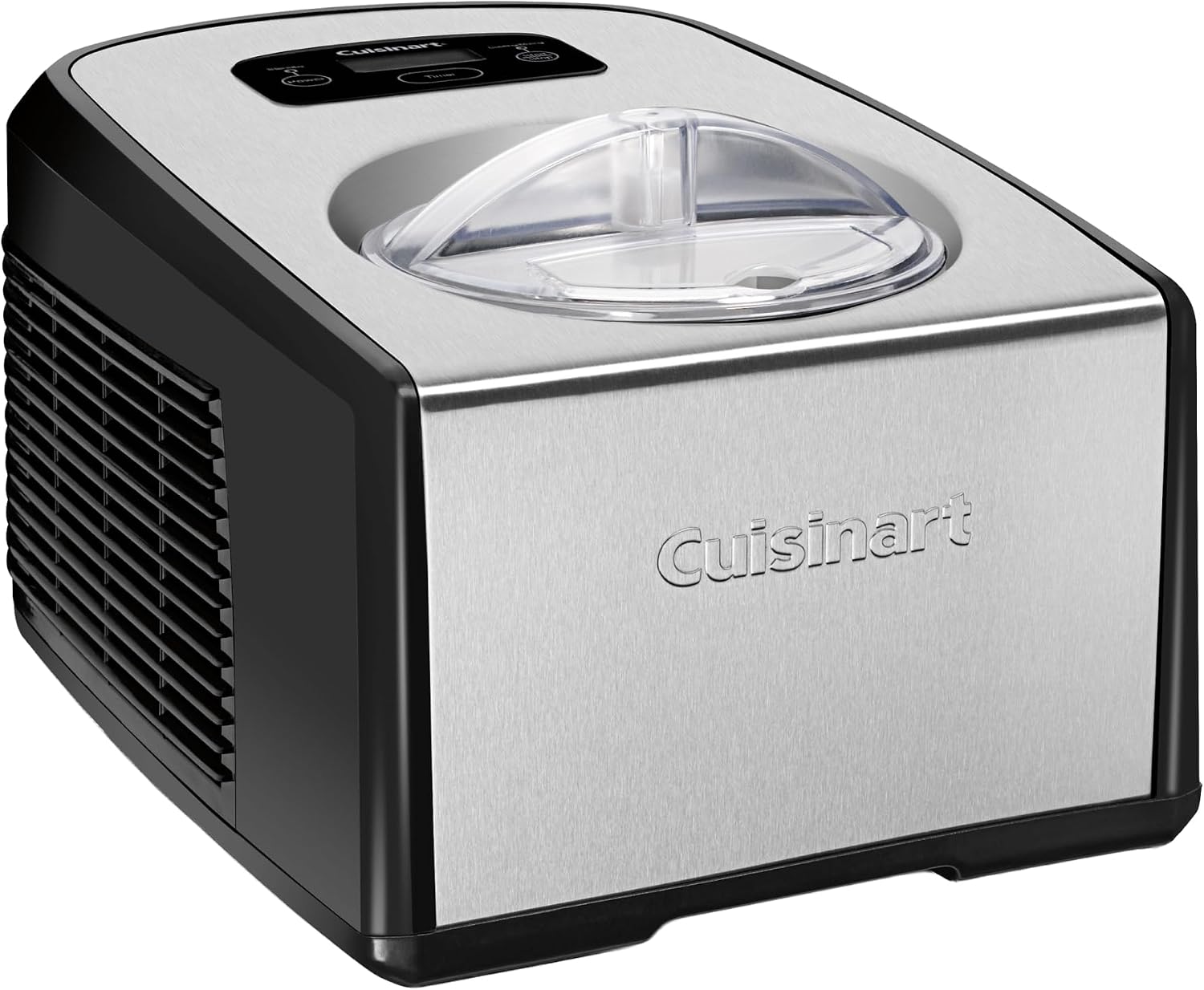
Different models offer unique mechanical approaches, ranging from self-refrigerating compressor units to traditional pre-freeze bowls and rapid personal cup processors. Understanding your kitchen space, batch size preferences, and preparation timelines helps determine which setup fits your routine. Exploring the top Cuisinart ice cream maker machine options highlights specific capacities, footprints, and operating modes designed for everyday kitchen use.
As an Amazon Associate, StacyLaughs earns from qualifying purchases.
Buying guide
Capacity and Batch Sizing
Choosing the right capacity depends entirely on your household size and frequency of entertaining. Single-serve pint or half-pint models fit compact apartments and individual cravings, producing quick treats without occupying excessive cabinet space. Larger two-quart appliances accommodate families and gatherings, ensuring everyone receives a generous portion during dessert time. Matching bowl size to your routine prevents wasted ingredients or insufficient servings when hosting guests for dinner parties.
Keep in mind that larger capacities often require bulkier machine housings and wider footprints on your kitchen counter. If you bake infrequently or live alone, a smaller machine offers easier storage inside cramped kitchen cabinets. Conversely, dedicated ice cream enthusiasts frequently prefer larger chambers to experiment with extensive ingredient combinations and complex mix-in ratios during a single churning session.
Chilling Technology Options
Dessert machines generally rely on two primary chilling mechanisms to freeze ingredients. Self-refrigerating compressor units feature built-in cooling systems that chill ingredients automatically without requiring any advance freezer planning. This allows you to make dessert spontaneously whenever the mood strikes. Traditional pre-freeze bowl models require storing a liquid-filled double-insulated bowl in your home freezer for twenty-four hours before churning can begin successfully.
Selecting between these technologies involves balancing convenience against appliance weight and cost factors. Compressor models are heavier and occupy permanent countertop space due to internal cooling hardware. Pre-freeze bowl units remain lighter and more compact for cabinet storage, provided your freezer maintains adequate room to chill the bowl continuously. Consider how spontaneously you plan to make frozen desserts when evaluating your kitchen workflow.
Texture Control and Presets
Modern dessert makers often include specialized programming to handle diverse frozen treats like traditional ice cream, gelato, sorbet, and frozen yogurt. Different dessert styles require distinct paddle speeds and churning intervals to achieve optimal mouthfeel and density. Machines equipped with multiple presets take the guesswork out of timing your batches by automatically adjusting motor speeds throughout the cycle.
Manual timers provide straightforward operation for cooks who prefer setting specific countdown durations without relying on automated program cycles. Reviewing the available texture settings helps ensure the appliance aligns with your favorite dessert varieties. Whether you enjoy dense, slow-churned gelato or fluffy, air-infused ice cream, matching paddle mechanics to your preferred recipes guarantees superior texture results every single time.
Countertop Footprint and Storage
Kitchen counter space is a valuable commodity, making appliance dimensions an essential purchasing criterion. Compact models with integrated cord wraps tuck easily into small cabinets or dorm kitchen shelves when not in use. Heavier compressor-driven units often remain permanently stationed on countertops due to their substantial weight and robust internal cooling hardware. Measure your available storage areas before selecting a machine to ensure a comfortable fit.
Shape and height also influence how easily an appliance navigates overhead cabinets or tight kitchen corners. Vertical designs save horizontal surface area, while wide square bases offer greater stability during high-speed churning cycles. Evaluating your kitchen layout ensures you select an appliance that integrates smoothly into your daily routine without creating permanent clutter on your primary preparation surfaces.
Cleanup and Maintenance Requirements
Maintaining your dessert maker properly ensures long-term performance and hygienic food preparation after every sweet batch. Removable paddles, lids, and bowls simplify the post-use cleaning process significantly across most appliance designs. Some units feature dishwasher-safe plastic components that eliminate manual scrubbing chores, while others require careful hand washing to protect delicate surface finishes and electronic housings.
Exterior housing materials also dictate your cleanup routine following messy ingredient additions. Brushed stainless steel and smooth plastic exteriors wipe down quickly with a damp cloth, keeping control panels free from sticky residue. Reviewing product care instructions helps you choose a machine that matches your cleaning preferences, ensuring routine maintenance remains simple and hassle-free after enjoying your homemade frozen desserts.
Ingredient Funnels and Customization
Adding mix-ins like chocolate chips, crushed cookies, nuts, or fruit pieces enhances the flavor profile of homemade frozen desserts. Built-in ingredient funnels allow you to introduce these extras mid-churn without interrupting the freezing process or removing the lid. This feature ensures even distribution throughout your ice cream or frozen yogurt while maintaining optimal churning temperatures inside the bowl chamber.
Consider how large the pouring spout is when evaluating different machine designs to prevent accidental spills during busy mixing moments. A wide opening accommodates larger candy pieces and chunky fruit slices effortlessly. Selecting an appliance with a well-designed funnel simplifies flavor experimentation, letting you customize every single batch to satisfy specific household preferences and dessert cravings.
Frequently asked questions
Do all Cuisinart ice cream makers require advance freezer planning?
No, freezing requirements depend entirely on the specific chilling technology of the machine you select. Traditional bowl-based models require storing the double-insulated bowl in your household freezer for twenty-four hours before churning. However, self-refrigerating compressor units feature built-in cooling systems that chill ingredients automatically upon startup, eliminating advance freezer preparation entirely. Personal cup processors also require pre-freezing individual dessert containers before use. Reviewing these mechanical differences ensures you select an appliance matching your spontaneous dessert-making habits and kitchen schedule.
What is the difference between making ice cream and gelato in these machines?
Ice cream and gelato require distinct churning speeds and aeration levels to achieve their signature textures. Ice cream paddles fold more air into the dairy base during the churning process, producing a lighter, scoopable consistency. Gelato paddles maintain a slower pace that minimizes air incorporation, resulting in a denser, silkier mouthfeel. Machines offering dedicated gelato and ice cream presets automatically adjust motor speeds to match these specific culinary styles, helping you achieve authentic textures without manual guesswork.
Can I add mix-ins like chocolate chips while the machine is running?
Yes, many models include a built-in ingredient funnel or wide pouring spout specifically designed for adding mix-ins mid-churn. This convenient feature allows you to drop in chocolate chips, nuts, crushed cookies, or fresh fruit pieces while the paddle continues turning. Adding ingredients near the end of the churning cycle ensures even distribution throughout your frozen dessert without disrupting the internal chilling process or letting cold air escape from the open bowl chamber.
How should I clean and maintain my Cuisinart dessert maker after use?
Proper cleaning depends on the specific product care instructions outlined for your machine model. Removable paddles, lids, and bowls generally rinse clean by hand using warm soapy water, while certain plastic components offer convenient dishwasher-safe operation. Exterior housings with electronic touchpads and digital displays require gentle wiping with a damp cloth to avoid moisture damage. Following manufacturer maintenance guidelines prevents sticky residue accumulation and protects electronic components, ensuring reliable appliance performance for future dessert batches.
How do I choose the correct capacity for my household needs?
Selecting the right capacity depends on how many people you plan to serve regularly. Mini one-pint and half-pint personal models suit single users or small apartments where counter and storage space is extremely limited. Standard one-quart and 1.5-quart units handle everyday household dessert portions comfortably. Larger two-quart appliances provide ample output for larger families, dinner parties, and hosting gatherings. Assessing your typical serving size prevents selecting an appliance that is too small for guests or too bulky for storage.