Appliances · Buying Guide
Best Ideal Cuisinart Ice Cream Maker for Homemade Frozen Treats

Making frozen desserts at home offers complete control over ingredients, allowing you to craft customized flavors ranging from classic vanilla ice cream to dairy-free sorbets and rich gelatos. Cuisinart provides a diverse lineup of dessert machines designed to match different kitchen spaces, batch sizes, and chilling methods. Whether you prefer a self-refrigerating compressor unit that bypasses pre-freezing or a compact traditional bowl design, selecting the right appliance depends on your available storage and how often you plan to churn sweet treats.
Understanding the technical differences among these models ensures you find an option suited to your household needs without unnecessary complexity. From small personal cups to family-sized bowls, each appliance features specific operational controls, cleaning requirements, and dimension profiles. Examining these functional attributes helps you evaluate practical suitability before adding a new dessert maker to your countertop.
As an Amazon Associate, StacyLaughs earns from qualifying purchases.
Buying guide
Chilling Mechanism and Compressor Technology
Choosing an ice cream maker begins with understanding how the bowl achieves freezing temperatures. Traditional models rely on a liquid-filled double-insulated bowl that must be placed in a conventional freezer for twelve to twenty-four hours before churning. This requires advance planning and freezer storage space, but it results in a lightweight, budget-friendly kitchen appliance.
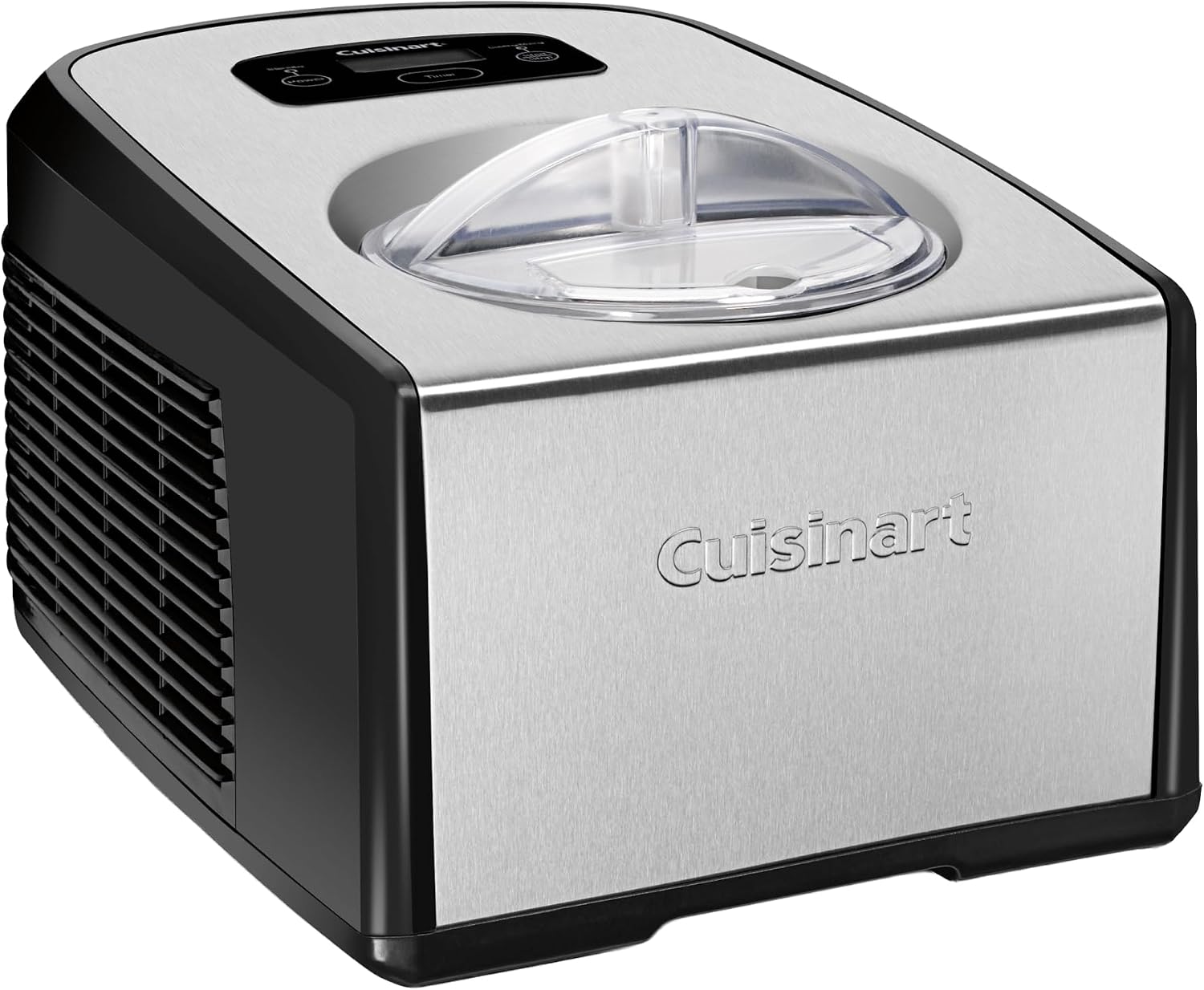
Alternatively, compressor-based machines feature a built-in refrigeration system that chills the bowl on demand. These units eliminate freezer preparation entirely, allowing you to make consecutive batches back-to-back. However, compressor models are heavier, take up more countertop space, and typically carry a higher cost due to their internal mechanical complexity.
Batch Capacity and Serving Size
Evaluating your typical household serving size helps determine the appropriate bowl capacity for your needs. Personal mini makers yield around one pint or a half-pint per run, making them ideal for single users or small apartments where storage space is strictly limited. These compact formats minimize leftover storage and fit easily into tight cabinets.
For larger households or regular hosting duties, larger 1.5-quart and 2-quart bowls provide ample dessert output in a single session. While these larger capacities accommodate family gatherings and multiple flavor additions, they also increase the overall physical footprint of the machine, requiring dedicated permanent counter or pantry space.
Dessert Style Versatility and Presets
Different frozen desserts require distinct paddle speeds and churning durations to achieve proper consistency. Classic ice cream benefits from slow aeration to create a scoopable texture, whereas dense Italian-style gelato requires slower paddle rotation to minimize air incorporation. Sorbet and frozen yogurt also thrive on tailored mixing profiles.
Advanced electric makers offer programmed digital controls or multi-speed dials that automatically adjust paddle movement for specific dessert types. Selecting a model with dedicated presets removes guesswork from recipe execution, ensuring that dairy-free bases, fruit purees, and rich custards reach their ideal physical structure without manual monitoring.
Ingredient Funnel and Mix-In Integration
Adding solid ingredients such as chocolate chips, chopped nuts, cookies, or fresh fruit pieces enhances texture and flavor complexity. Many Cuisinart dessert machines feature an integrated built-in ingredient funnel or wide spout built directly into the lid housing. This opening allows you to drop mix-ins mid-churn without stopping the motor or letting cold air escape.
Evaluating the size and accessibility of this funnel is important if you enjoy loaded ice cream recipes. A well-designed opening prevents spills on the countertop and accommodates larger cookie pieces or candy chunks smoothly while the paddle continues to fold ingredients evenly throughout the developing frozen dessert base.
Cleanup and Maintenance Requirements
Appliance maintenance involves washing removable components such as paddles, lids, and bowls after every dessert session. Many plastic components feature dishwasher-safe construction, allowing you to place them on the top rack for effortless cleaning. Always verify manufacturer compatibility guidelines before placing parts into automatic dishwashers.
Stainless steel housings, digital touchpads, and motor bases generally require simple spot cleaning with a damp cloth rather than complete submersion. Units that feature removable bowls and smooth interior surfaces reduce the time spent scraping sticky sugar residue, making regular post-dessert cleanup significantly more manageable for daily home cooks.
Storage Footprint and Countertop Placement
Kitchen storage capacity heavily influences which dessert maker fits your lifestyle. Compact mini units and personal cup processors take up minimal vertical or horizontal space, often featuring integrated cord wraps to keep countertops tidy. Their small dimensions make them convenient to slide into standard kitchen cabinets when not in use.
High-capacity compressor models and larger 2-quart bowl churns possess substantial weight and wider base dimensions. These larger appliances are best suited for permanent countertop placement where they remain accessible for frequent baking and entertaining tasks without requiring heavy lifting from deep storage shelves.
Frequently asked questions
Do all Cuisinart ice cream makers require pre-freezing the bowl?
No, not all models require pre-freezing. While traditional bowl units and mini makers require placing the double-insulated bowl in your freezer for 12 to 24 hours before use, advanced compressor models feature a built-in refrigeration system. These compressor units chill the bowl automatically on demand, allowing you to start churning immediately without any advance freezer preparation or planning.
What is the difference between an ice cream paddle and a gelato paddle?
Specific advanced machines include two distinct paddles designed for different dessert styles. The classic ice cream paddle is engineered to fold a specific amount of air into the mixture, creating a light and airy scoopable texture. In contrast, the dedicated gelato paddle rotates at a different pace and design to minimize air incorporation, resulting in the dense, silky consistency characteristic of traditional Italian gelato.
Can I make dairy-free frozen desserts in these machines?
Yes, you can successfully process dairy-free bases, vegan recipes, and fruit sorbets in these electric makers. Whether using plant-based milk alternatives, coconut milk, or pure fruit purees, the automated churning action and freezing mechanisms process dairy-free ingredients just like traditional dairy recipes. You can easily create custom sorbets, sherbets, and dairy-free frozen yogurts matching your specific dietary preferences.
How do I clean and maintain my Cuisinart dessert maker?
Maintenance depends on the specific appliance design. Many removable parts such as lids, paddles, and certain dessert cups are dishwasher safe for easy cleaning. However, bowls requiring hand washing and motorized compressor bases should be wiped down with a damp cloth and never submerged in water. Always consult the specific product care instructions provided by the manufacturer before washing any component.
How long does it typically take to churn a batch of ice cream?
Churning times vary depending on the machine type and recipe. Traditional pre-frozen bowl models typically complete a batch in 20 to 25 minutes. Fast-processing personal cup systems can produce a half-pint in as little as 3 minutes using pre-frozen cups. Compressor units run until the timer finishes or the mixture reaches the desired consistency, usually taking around 30 to 60 minutes depending on ingredient temperatures.