Appliances · Buying Guide
Best Dehydrator for Beef Jerky: Top Stainless Steel Choices Reviewed
Making homemade beef jerky requires specialized equipment that can maintain steady, reliable heat to process meat safely while preserving rich savory flavors. Choosing the right dehydrator for beef jerky involves looking closely at adjustable temperature ranges, stainless steel tray capacities, and rear fan airflow designs to ensure consistent results across every batch without requiring constant manual monitoring or shelf rotation during long drying cycles.
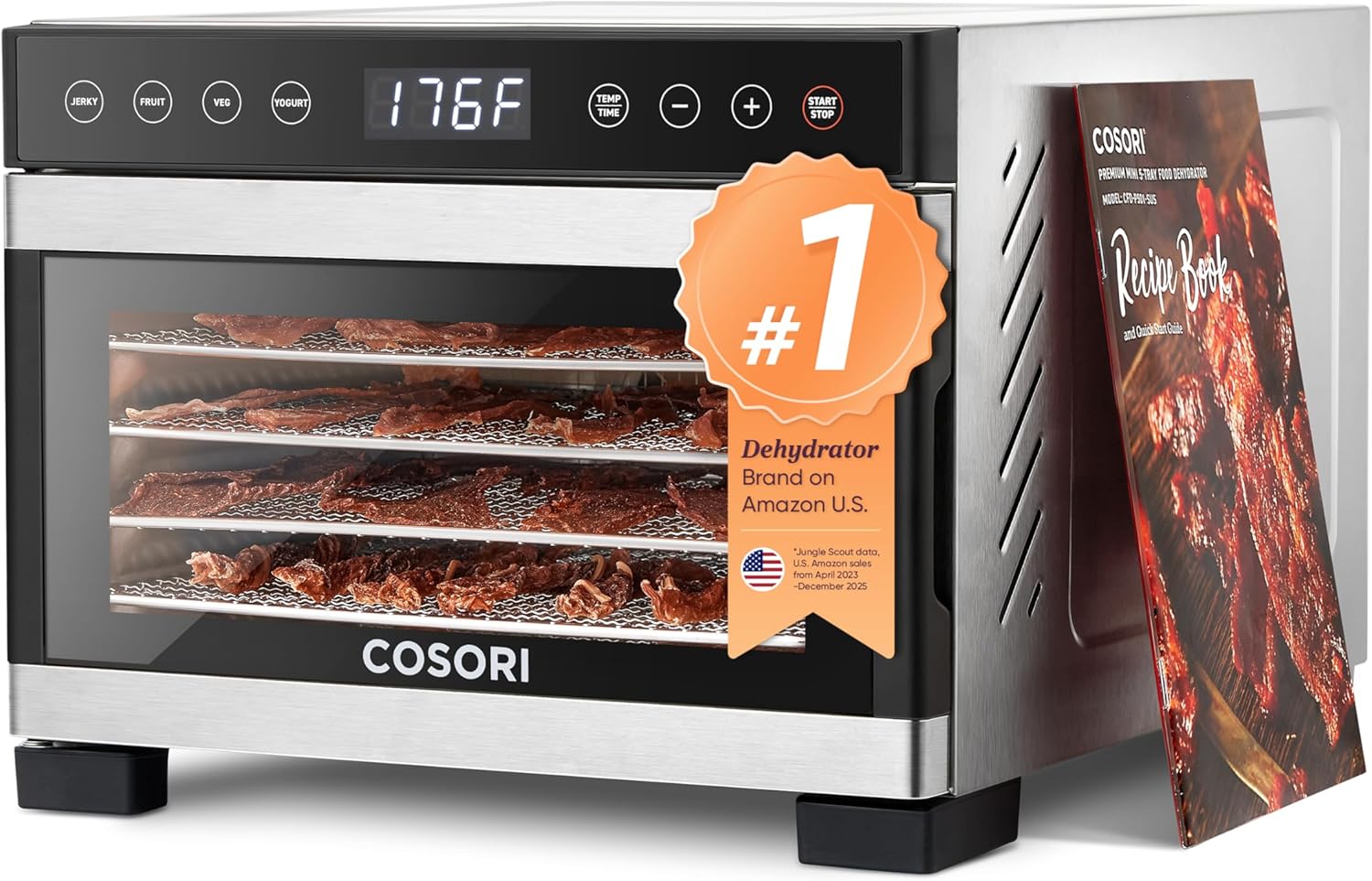
Different models offer various physical configurations, ranging from compact five-tray countertop units to large twelve-tray systems designed specifically for high-volume bulk preparation. By understanding how heating elements, internal fan placement, and durable metal construction affect daily operation, you can easily select a machine that fits your specific kitchen space and snack-making routine.
As an Amazon Associate, StacyLaughs earns from qualifying purchases.
Buying guide
Evaluating Temperature Ranges for Safe Meat Processing
When preparing homemade beef jerky, selecting a dehydrator with adequate temperature control is essential for proper food safety and desirable snack texture. Many standard food dryers only reach lower thresholds suited primarily for delicate herbs and soft fruit slices. Look for machines that reach at least 165°F or higher to align closely with standard recommendations for processing raw meats safely.
Precision matters just as much as maximum heat output during long dehydration cycles. Digital control panels allowing adjustments in precise one-degree increments help you dial in the exact drying environment needed for lean beef strips. Consistent temperature ranges prevent exterior case hardening while ensuring internal moisture evaporates thoroughly over extended processing periods.
Understanding Tray Capacity and Material Construction
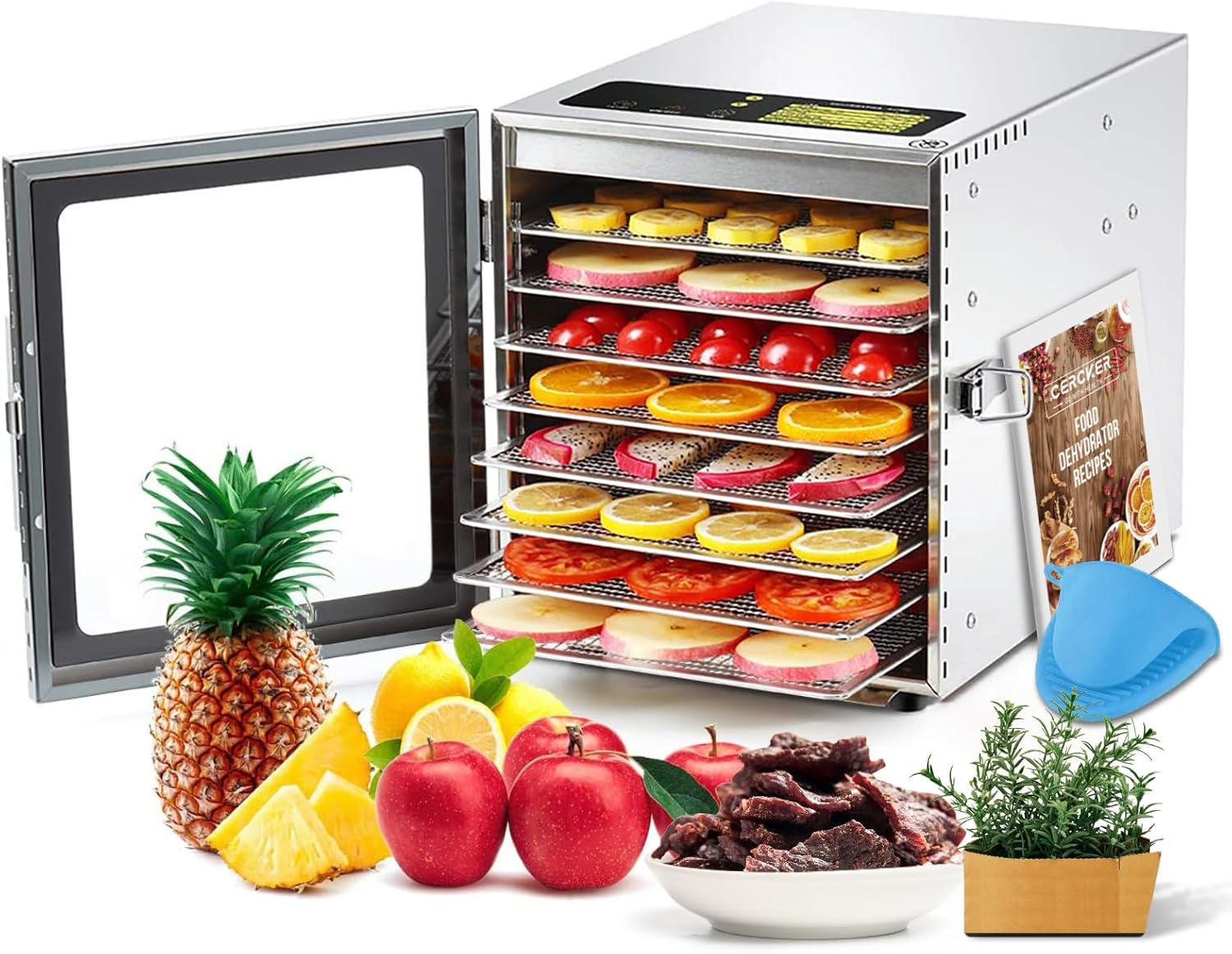
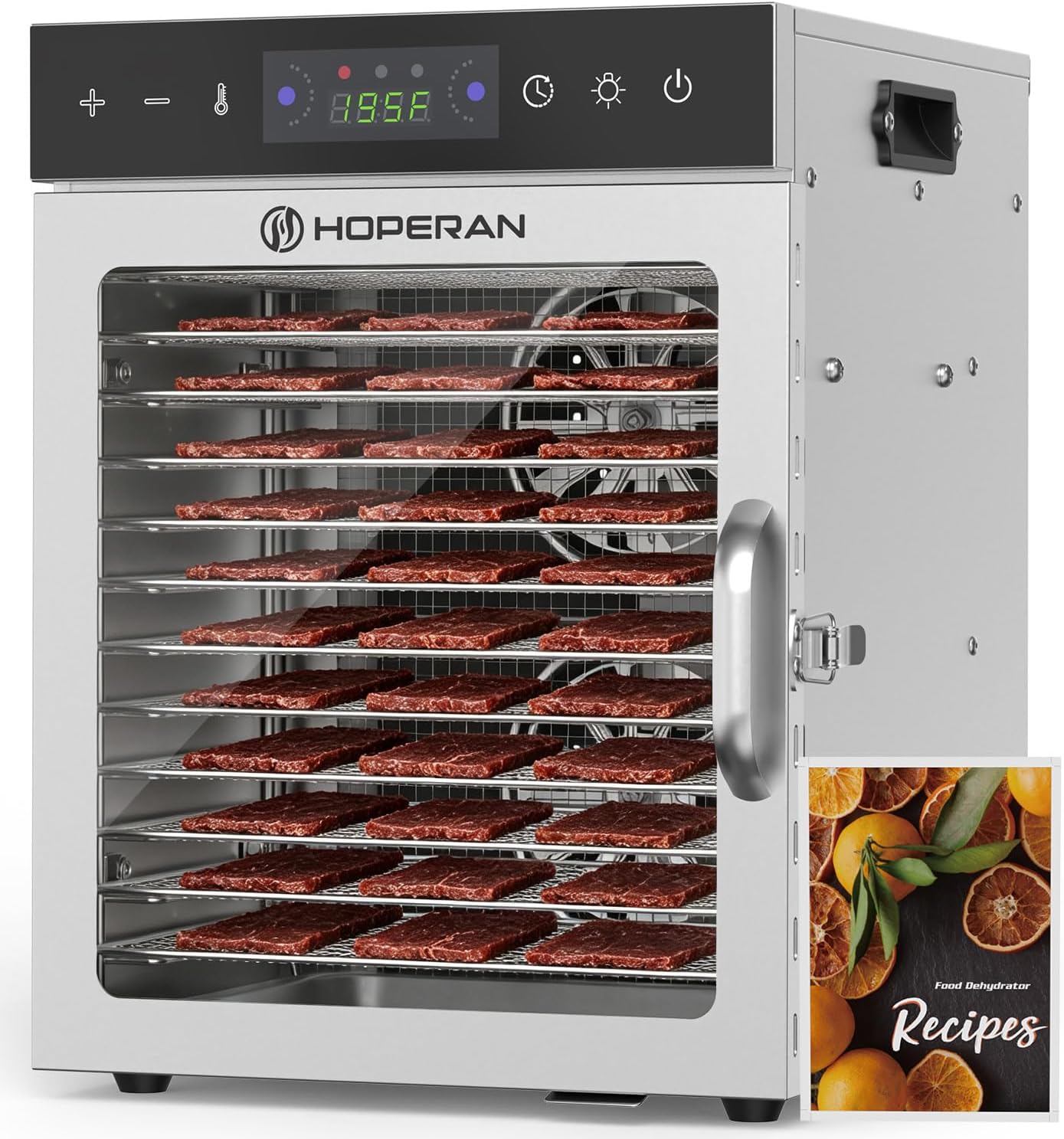
The number of trays and their physical material directly dictate how much beef jerky you can successfully make in a single session. Stainless steel trays provide superior long-term durability, rust resistance, and simplified cleanup compared to basic plastic alternatives. Models featuring eight or twelve tiers accommodate large amounts of sliced meat efficiently without crowding.
Smaller five or six tray units work exceptionally well for casual snackers but require multiple processing rounds for bulk preparation needs. Consider your typical food preservation volume before finalizing a purchase. Choosing food-grade stainless steel ensures your equipment withstands frequent back-to-back drying cycles without degrading, warping, or absorbing strong meat marinades over extended years of household use.
Airflow Technology and Rear Fan Efficiency
Air circulation plays a critical role in determining whether your beef jerky dries evenly across every single shelf. Modern dehydrators often utilize rear-mounted fans and advanced convection technology to push horizontal airflow across all trays simultaneously. This engineering design eliminates the tedious chore of manually rotating shelves halfway through long drying cycles.
Traditional vertical stack dehydrators with center heating columns frequently cause uneven drying patterns, forcing users to shuffle trays constantly. Rear-fan systems distribute heated air uniformly, ensuring that front and back pieces finish dehydrating at the exact same time. Prioritizing horizontal airflow saves considerable time and guarantees consistent texture throughout thick meat batches without requiring constant supervision.
Countertop Space and Kitchen Footprint Management
Kitchen appliance dimensions dictate where you can safely place and store your food dehydrator during heavy snack-making seasons. Units range widely from compact countertop models to tall, multi-tier appliances that require significant vertical clearance beneath upper wall cabinets. Measure your available counter space and overhead room carefully before selecting a specific unit.
Weight also impacts everyday usability, especially if you plan to store the dehydrator in a pantry between uses. Lighter five-tray machines move easily, whereas twelve-tier heavy-duty units are best left in a permanent spot on your counter. Matching the physical footprint and weight of the appliance to your kitchen layout ensures comfortable, stress-free operation year-round.
Noise Levels and Overnight Operating Considerations
Dehydration cycles for beef jerky frequently span many hours, making motor noise an important factor to consider in open-concept homes. Advanced brushless motors and optimized fan housings now keep operating volumes below 48 decibels. These quiet machines run smoothly throughout the night without disrupting household activities or family sleep routines.
Reviewing manufacturer specifications regarding decibel ratings helps you identify models specifically designed for peaceful kitchen environments. While high-power motors deliver strong air convection, they should not create excessive mechanical humming or buzzing sounds. Choosing a quiet dehydrator allows you to set long overnight drying programs with total peace of mind and minimal disturbance.
Accessories and Cleanup Convenience Features
Comprehensive accessory kits add immense practical value when preparing diverse foods like marinated beef jerky, delicate herbs, and sticky fruit leathers. Look for models that include fine mesh screens for small items, removable drip trays to catch marinades, and dedicated fruit roll sheets. Dishwasher-safe stainless steel trays simplify post-drying cleanup considerably after every batch.
Removable parts that withstand machine washing save valuable time after processing sticky or messy ingredients. Clear viewing windows and interior lights also enhance the overall user experience by letting you inspect drying progress without opening doors and losing heat. Selecting a well-equipped dehydrator streamlines your snack-making routine from start to finish.
Frequently asked questions
What temperature is best for making beef jerky in a food dehydrator?
When making beef jerky, the USDA recommends drying meat at 165°F to ensure harmful bacteria are safely eliminated during the process. Many specialized dehydrators offer adjustable temperature ranges extending from 95°F up to 176°F or even 196°F, allowing you to set the machine right at or above that critical safety threshold. Maintaining steady high heat combined with proper horizontal airflow ensures your lean meat strips dry evenly and safely without compromising texture or rich savory flavor during long processing hours.
Do I need to rotate trays during the beef jerky drying process?
Tray rotation depends entirely on the internal airflow design of your dehydrator. Units equipped with rear-mounted drying fans and horizontal convection systems distribute heated air uniformly across every level, eliminating the need to manually rotate shelves. Conversely, traditional vertical stack dehydrators with central heating elements often require you to shuffle trays periodically to achieve even drying results. Choosing a model with a rear fan saves considerable time and ensures consistent dehydration across all levels without constant supervision.
How long does it take to dehydrate beef jerky?
Dehydrating beef jerky typically takes anywhere from four to twelve hours, depending on factors such as meat thickness, moisture content, marinade ingredients, and your chosen drying temperature. Thinner slices placed in high-wattage units running at elevated temperatures will finish much faster, while thicker cuts or lower temperature settings require extended drying periods. Monitoring your batch during the later stages helps you determine the exact texture you prefer, whether you enjoy tender strips or completely crisp jerky snacks.
Are stainless steel trays better than plastic trays for jerky?
Stainless steel trays offer superior durability, corrosion resistance, and longevity compared to standard plastic alternatives. They withstand frequent washing and resist absorbing strong meat marinades, oils, or food odors over years of heavy use. Food-grade stainless steel surfaces also provide a sturdy foundation for laying out dense strips of beef jerky. While plastic trays can be lightweight, stainless steel variants deliver commercial-grade resilience and dishwasher-safe convenience that many home food preservers prefer for back-to-back batch processing.
Can I run my food dehydrator overnight?
Running a food dehydrator overnight is common practice since many drying cycles extend beyond several hours. Selecting a model featuring quiet motor operation—such as units operating below 48 decibels—ensures the appliance will not disturb your household while running through the night. Additionally, built-in safety features like automatic shut-off timers and thermal overheat protection provide essential peace of mind during extended unsupervised operation, letting you wake up to fully finished batches of homemade beef jerky.