Appliances · Buying Guide
Best Dehydrator for Deer Jerky: Reliable Stainless Steel Choices
Processing venison into homemade jerky requires reliable airflow and consistent temperature control to ensure safe, evenly dried strips. Whether you harvest deer during hunting season or buy lean cuts in bulk, having the right dehydrator makes a substantial difference in texture and flavor retention. Selecting a machine capable of handling dense meats is essential for consistent results.
Modern kitchen dehydrators offer precise digital settings, stainless steel trays, and specialized heating elements designed to handle dense meats without constant tray rotation. Exploring these purpose-built appliances helps hunters and snack enthusiasts select an ideal unit for preparing savory, long-lasting batches of seasoned venison right at home, ensuring proper preservation for every single harvest.
As an Amazon Associate, StacyLaughs earns from qualifying purchases.
Buying guide
Airflow and Drying Technology
Understanding airflow mechanics is essential when choosing a machine to process dense meats like venison. Horizontal airflow systems send warm air directly across each individual tray independently. This design prevents food flavors from transferring between different rows of heavily spiced or marinated meat during long processing cycles, keeping every batch distinct and flavorful for your household.
Rear-mounted fans and specialized internal distribution technologies eliminate the tedious need to manually rotate trays halfway through a drying session. Selecting a unit with optimized airflow ensures that thick deer jerky strips dry uniformly from edge to center, reducing uneven spots and delivering consistent preservation results across every single tier without constant supervision by the cook.
Tray Capacity and Material
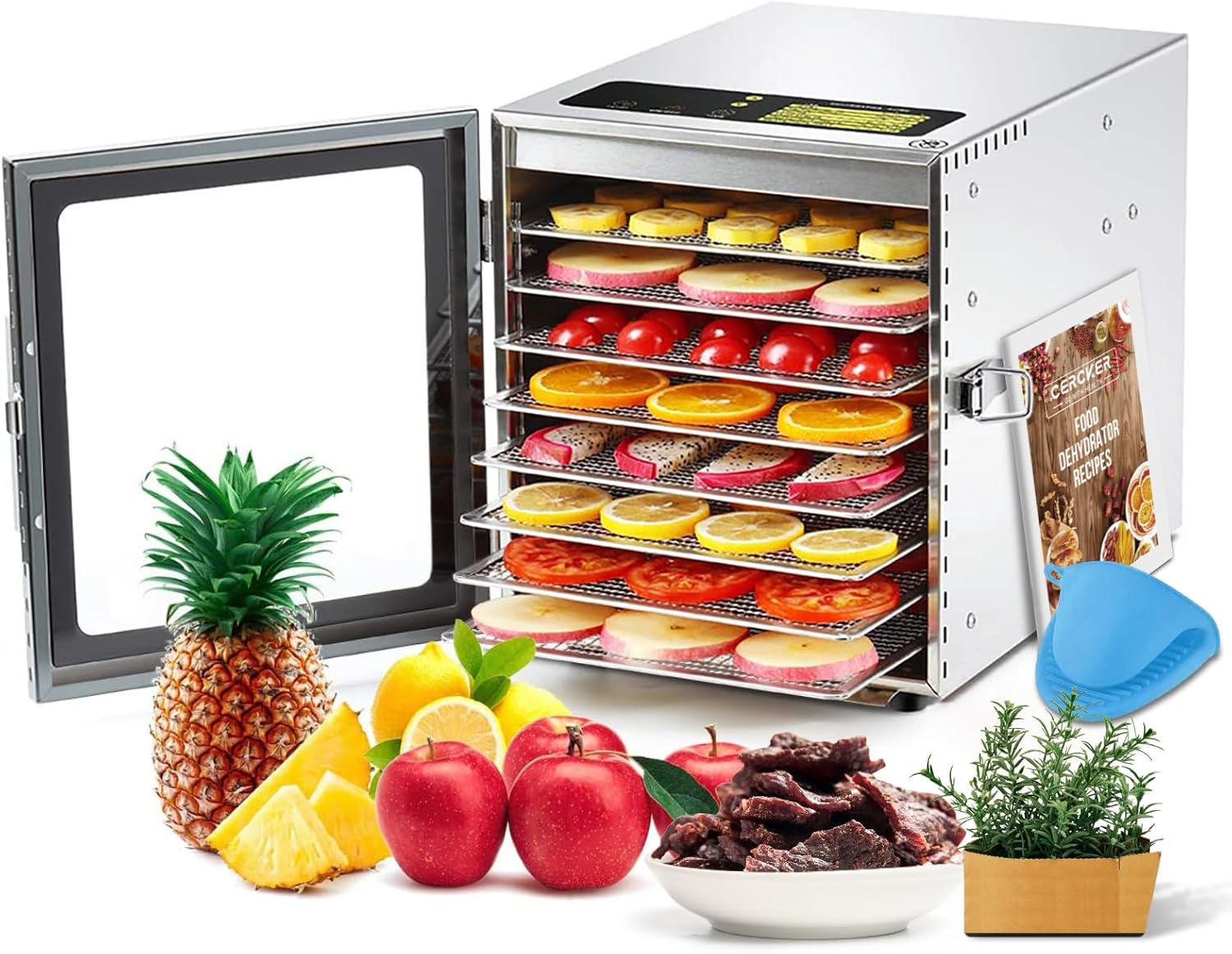
Tray construction directly impacts cleanup ease and food safety during frequent snack preparation. Premium food-grade stainless steel trays resist corrosion, handle heavy sticky marinades exceptionally well, and frequently feature dishwasher-safe designs that minimize post-processing scrubbing effort after a long drying day in the busy kitchen environment while maintaining lasting durability.
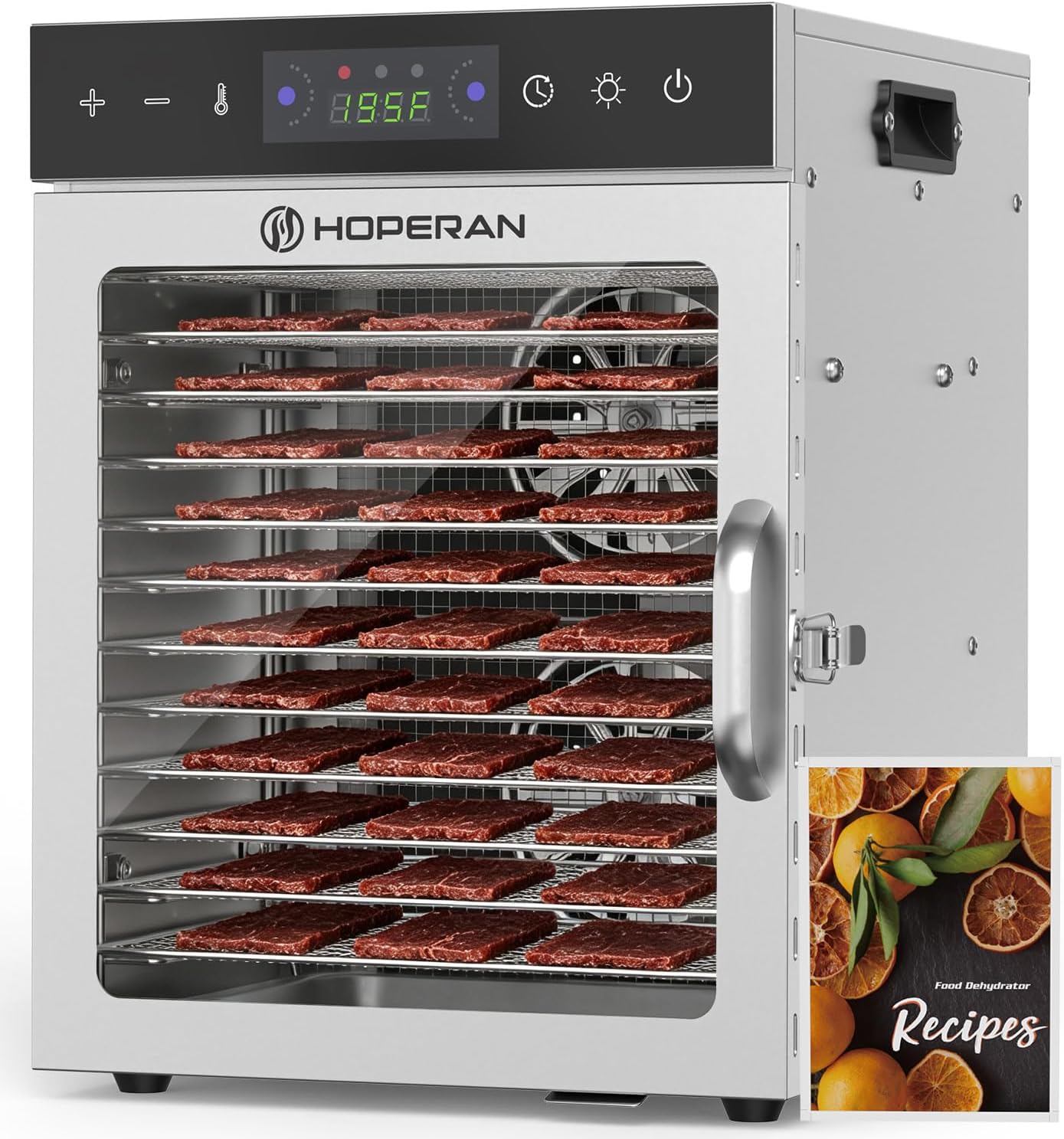
Assessing your typical batch size helps determine whether a compact six-tier setup or a massive twelve-tier appliance suits your household lifestyle best. Choosing sufficient surface area ensures you can process entire hunting harvests without staging multiple consecutive drying runs, saving both time and electrical energy over extended preservation weekends and seasonal game processing periods with ease.
Temperature Range and Control
Precise temperature control is vital for drying venison safely and effectively. Meat dehydration requires higher heat thresholds compared to delicate herbs or fruits to eliminate potential pathogens while achieving the desired leathery chewiness in every single strip. Look for thermostats that reach elevated temperatures to handle thick meat cuts reliably throughout long drying cycles without manual oversight.
Digital thermostats featuring fine degree adjustments let you dial in exact operating parameters, ensuring your jerky dries thoroughly without prematurely cooking the outside surface or burning the edges. Programmable timers add tremendous convenience by automatically powering down the heating elements when the cycle finishes, preventing over-drying during unsupervised overnight processing sessions in your home kitchen.
Motor Power and Efficiency
Motor power dictates how efficiently a dehydrator circulates heated air across loaded trays. Higher wattages provide the electrical energy needed to maintain stable internal temperatures when dealing with large quantities of moist, freshly marinated meat during intensive drying sessions. Selecting adequate wattage prevents thermal drops when checking progress and sustains proper continuous airflow velocity.
Quiet motor operation is equally important when running appliances overnight in residential living spaces. Advanced brushless motors keep decibel levels exceptionally low, allowing you to dry snacks peacefully without loud mechanical humming disrupting normal household routines or sleep schedules, ensuring a seamless preservation experience from start to finish without annoyance.
Build Quality and Maintenance
Durability and ease of cleaning determine how pleasant a dehydrator is to own over the long term. Robust stainless steel housings and removable metal trays withstand heavy use and resist staining from dark, sticky marinades used in venison preparation. Sturdy materials ensure the appliance survives frequent seasonal processing without degrading under continuous heat exposure.
Dishwasher-safe components save considerable time and effort after processing sticky meats. Selecting units with smooth interior surfaces, rounded corners, and minimal crevices makes wiping down the main drying chamber quick and straightforward, helping you maintain optimal kitchen hygiene with minimal physical scrubbing required after every single batch of snacks is finished.
Size and Counter Space
Physical dimensions dictate exactly where a dehydrator will live in your kitchen or pantry space. Larger multi-tier models demand substantial counter surface and adequate vertical cabinet clearance during active operation. Evaluating your kitchen layout beforehand ensures the appliance fits comfortably without blocking access to other essential food preparation tools.
Measuring your available storage space before purchasing prevents awkward placement issues when the unit arrives at your home. Finding the right balance between tray capacity and overall physical footprint ensures your chosen dehydrator integrates smoothly into your cooking routine, whether stored on a dedicated shelf or left out on the counter permanently.
Frequently asked questions
How long does deer jerky take to dehydrate?
Deer jerky typically takes between four and twelve hours to dehydrate, depending heavily on the thickness of your meat slices, moisture content, marinade type, and the operating temperature of your dehydrator. Thinner strips dry much faster, while thicker cuts require extended processing time. Monitoring progress visually through viewing windows and testing strip flexibility helps determine when the jerky has reached the desired leathery texture without becoming overly brittle or tough.
What temperature is best for making deer jerky?
Most dehydrators operate best between 160 and 165 degrees Fahrenheit for meat processing, though some specialized models reach up to 190 degrees for rapid drying. Maintaining adequate heat is essential to ensure proper food safety by rapidly eliminating potential bacteria during the initial stages of the drying process. Setting your thermostat within this recommended thermal range cooks the venison safely while evaporating moisture efficiently, resulting in a stable snack.
Do I need to rotate trays during drying?
Whether you need to rotate trays depends entirely on the internal airflow design of your chosen dehydrator. Models equipped with advanced horizontal airflow systems and rear-mounted fans circulate heat evenly across all levels, eliminating the tedious need for manual rotation. Older or simpler units featuring vertical airflow from bottom heating elements often require you to swap tray positions periodically to ensure uniform drying across every single layer of meat.
How should I prep venison for jerky?
Preparing venison for jerky starts with selecting lean cuts of meat and trimming away all visible fat, since fat can spoil and shorten storage life. Slicing the meat uniformly against the grain makes it easier to chew later. Marinating the strips in a mixture of soy sauce, spices, and seasonings for several hours infuses rich flavor before placing the pieces onto your dehydrator trays in a single layer.
Can I run a food dehydrator overnight?
Yes, you can run a food dehydrator overnight, provided the unit features reliable automatic shut-off timers and operates quietly enough not to disturb your household. Many modern dehydrators feature advanced brushless motors with noise levels well below 48 decibels, making them virtually unnoticeable during sleep hours. Setting the programmable timer ensures the heating elements turn off automatically once your venison jerky successfully completes its drying cycle.