Appliances · Buying Guide
Best Dehydrator for Herbs: Preserving Fresh Garden Yields Easily
Preserving garden herbs at home requires consistent airflow and reliable temperature controls to lock in natural flavors without scorching delicate leaves. Whether you manage a sprawling backyard garden or simply buy fresh basil in bulk, selecting the right machine makes all the difference for drying rosemary, mint, and thyme efficiently.
Modern electric dehydrators offer varied tray counts, programmable timers, and specific mesh screens tailored for fine leaves. Evaluating your counter space, batch sizes, and preferred materials helps you find a dependable appliance that suits your kitchen routine and keeps your herb jars full year-round.
As an Amazon Associate, StacyLaughs earns from qualifying purchases.
Buying guide
Evaluating Drying Space And Tray Count
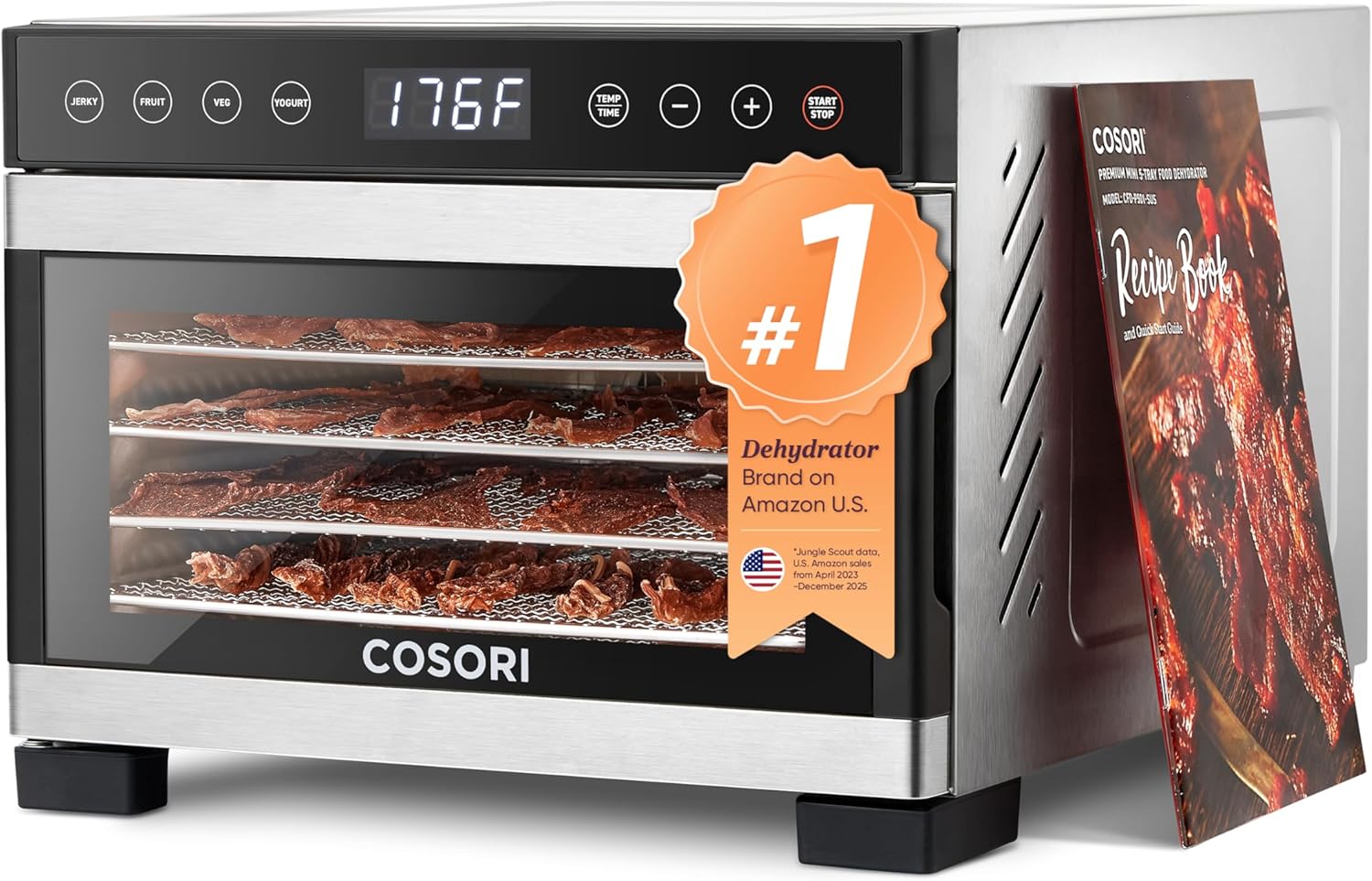
Selecting the right tray count depends heavily on your typical harvest volume and kitchen storage limits. Models featuring five or six trays provide ample surface area for spreading delicate herb leaves in single layers without overcrowding. Overcrowding blocks proper airflow, leaving moisture trapped inside stems and spoiling long-term storage quality across your entire batch.
Larger trays accommodate bulk yields from expansive gardens, while compact footprints fit neatly into modest apartments. Consider how much counter space you can dedicate permanently versus storing units in pantries between seasonal drying runs. Measuring your storage cabinets beforehand prevents purchasing an appliance that proves too bulky for daily kitchen convenience and food prep.
Airflow Mechanics And Fan Placement
Airflow design dictates how evenly your herbs dry without requiring tedious manual intervention during long drying cycles. Rear-mounted fans push horizontal streams of warm air across every tray level simultaneously, ensuring consistent moisture removal from front to back without flavor cross-contamination. Selecting units with optimized airflow prevents uneven crispness among mixed herb varieties drying together.
Base-mounted heating systems force warm air vertically through stackable trays, which works effectively provided the unit utilizes proper wattage and steady fan power. Understanding these mechanical differences helps you choose between set-and-forget rear fans and traditional vertical column setups for your home preserving tasks. Proper airflow ensures essential oils remain intact.
Temperature Precision And Control Panels
Precise temperature regulation protects the delicate essential oils and vibrant green colors found in fresh culinary herbs. Digital panels let you dial in exact degrees, preventing excessive heat that scorches fragile leaves and ruins aromatic flavor profiles. Lower temperature thresholds starting around 95 degrees Fahrenheit provide gentle treatment for sensitive mint or basil.
Analog dials offer straightforward adjustments when exact degree control is less critical for your daily preservation goals. Reviewing available temperature ranges ensures the machine accommodates both low-heat herb drying and higher-temperature tasks like meat jerky, fruit rolls, or vegetable chips. Finding the right balance keeps your appliance versatile throughout changing seasonal harvests.
Material Selection And Cleaning Convenience
Dehydrator materials influence both long-term durability and post-drying cleanup tasks in busy residential kitchens. Stainless steel trays resist staining and withstand frequent dishwasher cycles, offering a robust structure that resists warping over years of regular use. Metal surfaces also maintain a clean aesthetic despite repeated contact with pigmented leaves and aromatic plant juices.
BPA-free plastic and polypropylene trays provide lighter alternatives that simplify handling and storage routines. Checking manufacturer cleaning guidance ensures you maintain removable screens and trays properly without damaging delicate mesh components used specifically for fine herbs. Selecting dishwasher-safe parts minimizes post-processing effort and keeps your kitchen tidy after every batch.
Noise Levels And Overnight Operation
Running an electric appliance for hours requires considering motor noise, especially in open-concept homes or small apartments. Models featuring advanced brushless motors operate below quiet decibel thresholds, allowing you to run overnight preservation cycles without disrupting household sleep routines. Quiet operation makes it easy to process large batches while you rest comfortably.
Standard cooling fans can generate steady background humming that might become noticeable in smaller living spaces during long multi-hour dehydration sessions. Checking noise specifications helps ensure your chosen dehydrator remains unobtrusive while processing large batches of garden herbs during quiet evening hours. Peaceful performance improves the overall home preservation experience significantly.
Accessories And Mesh Screen Utility
Drying fine herbs requires specialized accessories like fine mesh screens to prevent tiny leaves from falling through standard tray grates. Included mesh sheets catch small particles securely while allowing warm air to circulate freely around every stem and leaf. Without proper mesh liners, small herb flakes slip straight into the appliance heating base.
Fruit roll sheets and expandable tray options add further versatility for making healthy snacks alongside your dried culinary herbs. Evaluating included extras prevents unexpected additional purchases and ensures you have all necessary tools right out of the box for immediate use. Comprehensive accessory packages maximize the long-term utility of your investment.
Frequently asked questions
What temperature should I use when drying herbs in an electric dehydrator?
When drying delicate culinary herbs, setting your dehydrator to a low temperature ranging between 95 and 105 degrees Fahrenheit is generally recommended. This gentle warmth removes excess moisture efficiently while protecting natural essential oils, vibrant colors, and robust flavors from degrading. Higher temperatures can scorch tender leaves or cause them to lose their aromatic qualities too quickly. Always check your specific dehydrator model controls and manufacturer guidelines to ensure accurate temperature adjustments tailored to the specific plant varieties you are preserving at home.
Do I need a special mesh screen to dry herbs successfully?
Using a fine mesh screen is highly beneficial when drying herbs because standard dehydrator trays often feature wider grates that allow tiny leaves and crushed flakes to slip through during the dehydration process. Mesh inserts support small leaves securely while still permitting heated air to circulate freely around every stem. Many dehydrator models include a dedicated mesh screen in the box, while others offer them as separate compatible accessories. Checking package contents before purchasing ensures you have the right accessories ready.
How long does it typically take to dry fresh herbs in a food dehydrator?
The drying time for fresh herbs varies depending on moisture content, leaf thickness, ambient humidity, and the specific temperature setting of your dehydrator machine. Most leafy herbs like basil, mint, oregano, and parsley typically require anywhere from one to four hours to reach a fully crisp, brittle state. Thicker stems or succulent herbs may need slightly longer run times. Regularly checking your herbs through transparent trays or clear lids helps prevent over-drying while ensuring complete moisture removal for safe storage.
Can I dry different types of herbs at the same time?
You can dry multiple herb varieties simultaneously as long as they share similar moisture levels and require comparable temperature settings. However, pairing strongly aromatic herbs like rosemary with delicate varieties like basil on the same trays can sometimes lead to mingled flavors due to shared airflow. If you process mixed batches, arranging them thoughtfully across different tray levels helps maintain distinct profiles. Utilizing multi-tray models gives you enough separate space to organize different plants without mixing aromas or blocking airflow.
How should I store my dried herbs after dehydration is complete?
Proper storage is essential to maintain the flavor and aroma of your freshly dried home herbs over extended periods. Once your herbs are completely cooled and brittle to the touch, crumble them gently and transfer them into clean, airtight glass jars or containers. Store these containers in a cool, dark, and dry cupboard away from direct sunlight and moisture sources, which can degrade quality. Proper airtight sealing protects your harvest and keeps your culinary herbs fresh and flavorful for months of cooking use.